

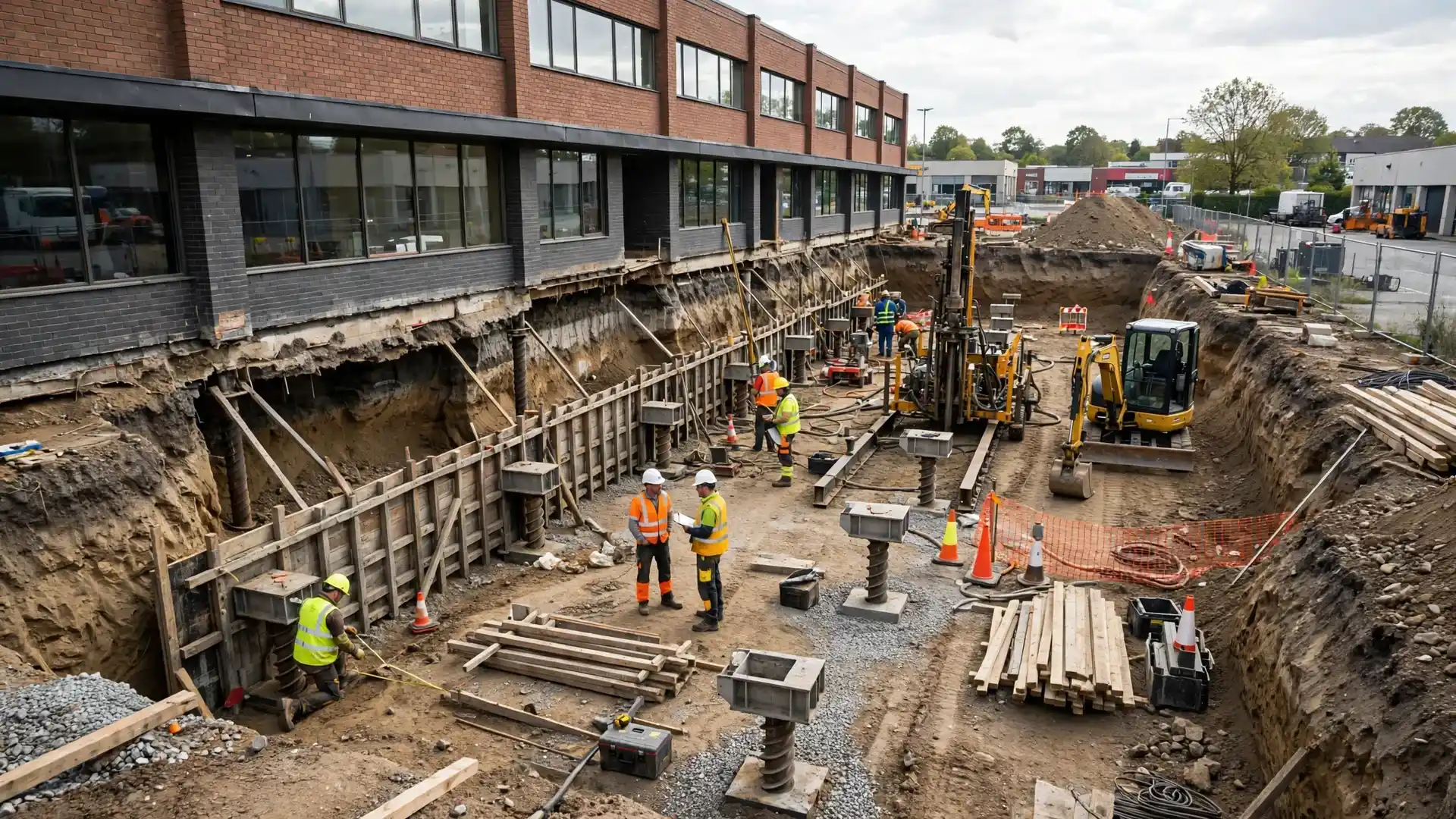
Foundation remediation requires more than correcting visible settlement or repairing damaged concrete. For engineers and contractors, the central challenge is determining why a foundation has moved, whether the supporting soil remains suitable, and which corrective method can meet the structure’s performance requirements.
A foundation may show cracks, differential settlement, slab displacement, or structural distortion. Yet similar symptoms can result from different mechanisms, including compressible soils, changes in groundwater conditions, inadequate bearing capacity, erosion, or modifications to structural loading.
Successful remediation begins with an engineering assessment of the structure, subsurface conditions, and load transfer. Depending on those findings, the scope may involve soil stabilization, deep foundation support, underpinning, concrete rehabilitation, or temporary structural support.
This technical resource examines how engineers evaluate foundation deficiencies, compare remediation methods, and coordinate construction work to address both the observed damage and the conditions responsible for it.
What Foundation Remediation Means in Structural Engineering
Foundation remediation is the process of investigating, repairing, stabilizing, or strengthening an existing foundation system to address identified performance deficiencies.
Unlike a surface repair, remediation may require modifications to the soil supporting the foundation, the foundation elements themselves, or the connection between the building and its supporting system.
The objective depends on the existing condition and the engineer’s design criteria. A project may need to limit further movement, restore structural capacity, reduce the consequences of settlement, or accommodate increased loads.
Repairing Damage Versus Correcting Its Cause
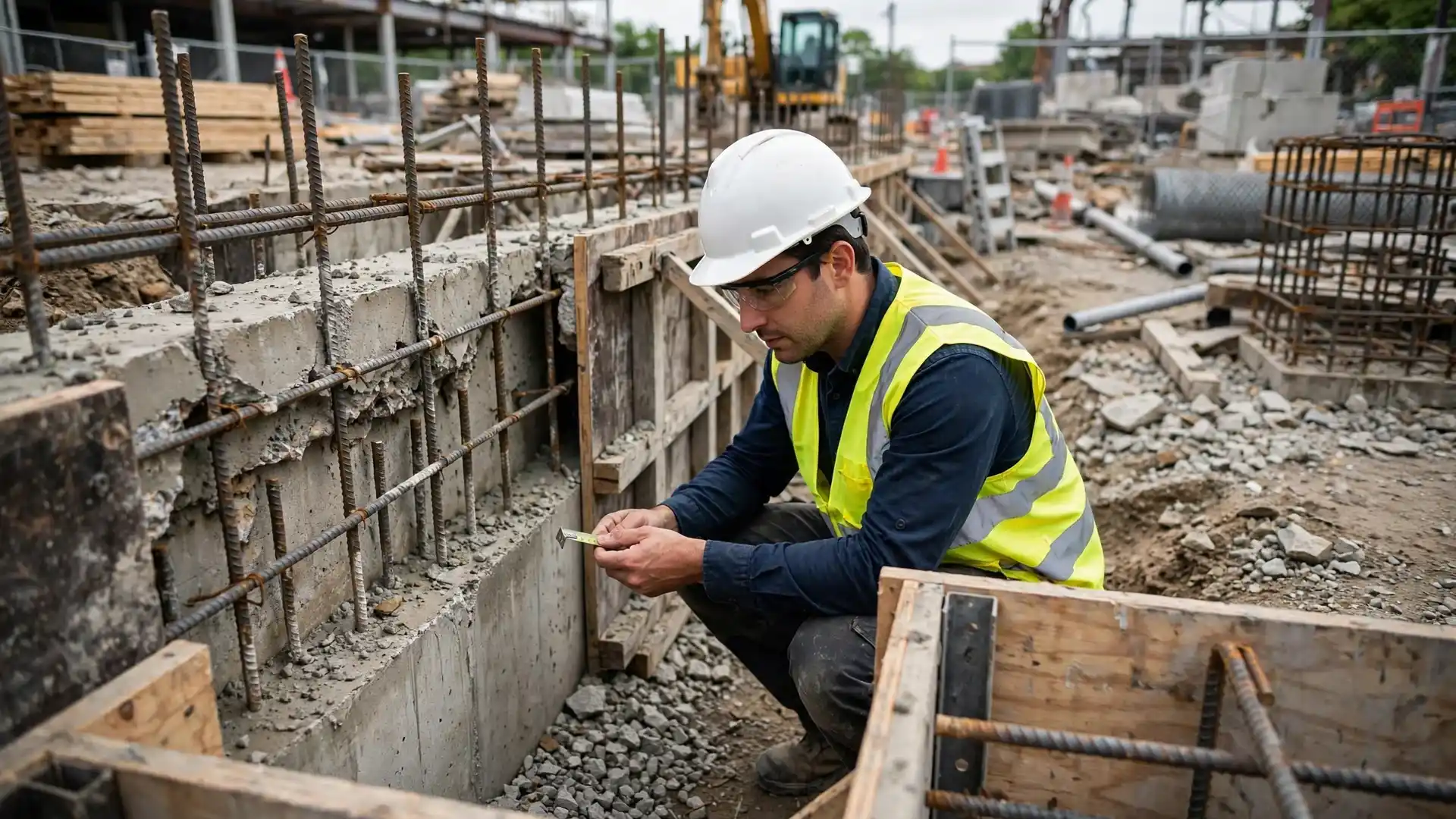
A concrete crack can be repaired without changing the conditions that produced it. That distinction matters when the foundation continues to experience movement.
For example, a warehouse floor may develop recurring cracks because an underlying fill layer is compressing. Repairing the cracks alone would not necessarily control continued settlement.
The engineer must determine whether the problem is confined to the concrete or originates within the supporting ground.
This distinction influences the choice between commercial concrete slab repair, ground improvement, foundation reinforcement, and other methods.
Performance Objectives Guide the Repair
Foundation remediation should begin with measurable engineering objectives.
These may include limiting additional settlement, increasing load-bearing capacity, reducing differential movement, restoring stability, or protecting nearby structures.
A remediation system intended to arrest movement is not necessarily designed to return a building to its original elevation. Similarly, a method that increases soil strength may not repair existing structural damage.
Defining the required outcome helps engineers avoid specifying an intervention that addresses only part of the problem.
Identifying the Conditions That Require Foundation Remediation
Visible foundation distress provides useful information, but symptoms alone rarely establish the complete cause.
A technical assessment must consider how the foundation interacts with the underlying soil, groundwater, and structural loads.
Differential Settlement and Uneven Support
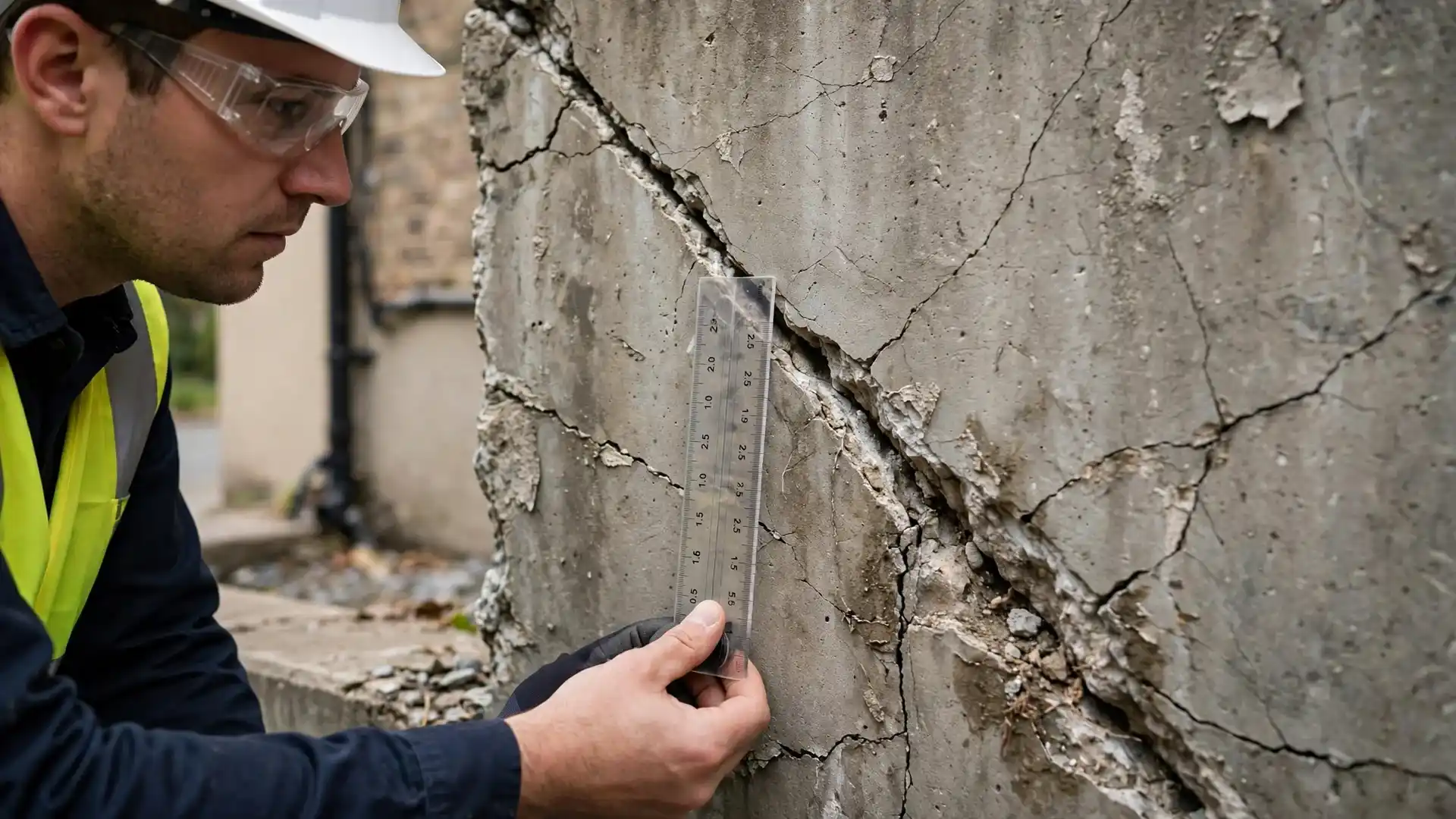
Differential settlement occurs when portions of a foundation move downward by different amounts.
The resulting distortion can produce diagonal cracking, uneven floors, displaced connections, or misaligned building components.
Possible contributing factors include variable soil stiffness, poorly compacted fill, changes in loading, and localized loss of support.
An engineer evaluating settlement should determine whether movement is ongoing, whether the observed distortion affects structural performance, and whether additional movement can be tolerated.
Soil Instability and Changes in Ground Conditions
Weak or variable soils can create problems even when the original foundation was properly constructed for the conditions understood at that time.
Relevant mechanisms include consolidation of compressible soils, moisture-related changes in expansive soils, erosion of supporting materials, and poorly controlled fill placement.
Groundwater changes can further complicate remediation by affecting effective stress, soil strength, and excavation stability.
Because each mechanism behaves differently, a soil treatment suitable for one site may offer limited benefit at another.
Structural Loading and Foundation Capacity
Foundation deficiencies can also develop when a building’s loading conditions change.
Examples include adding heavy equipment, modifying structural framing, increasing storage loads, or changing the use of an existing facility.
In such cases, the foundation may require additional capacity even without visible damage.
The evaluation should consider the complete load path, including how forces transfer through columns, walls, footings, and supporting soils.
Where deficiencies affect commercial structures, commercial foundation repair may involve coordinated structural and geotechnical work rather than an isolated repair.
Engineering Investigation Before Selecting a Remediation Method
Selecting an appropriate foundation remediation system requires sufficient information about existing construction and subsurface behavior.
The depth of investigation should reflect the structure’s risk profile, observed distress, available records, and proposed intervention.
Reviewing Structural and Historical Information
Existing drawings, geotechnical reports, previous repair records, and construction documentation can help establish the original design assumptions.
However, older records may not accurately represent current conditions.
A site investigation may need to address undocumented modifications, buried foundation elements, previous fill operations, or changes in nearby drainage.
The engineer should also establish whether observed displacement is historical or actively progressing.
Subsurface Investigation and Testing
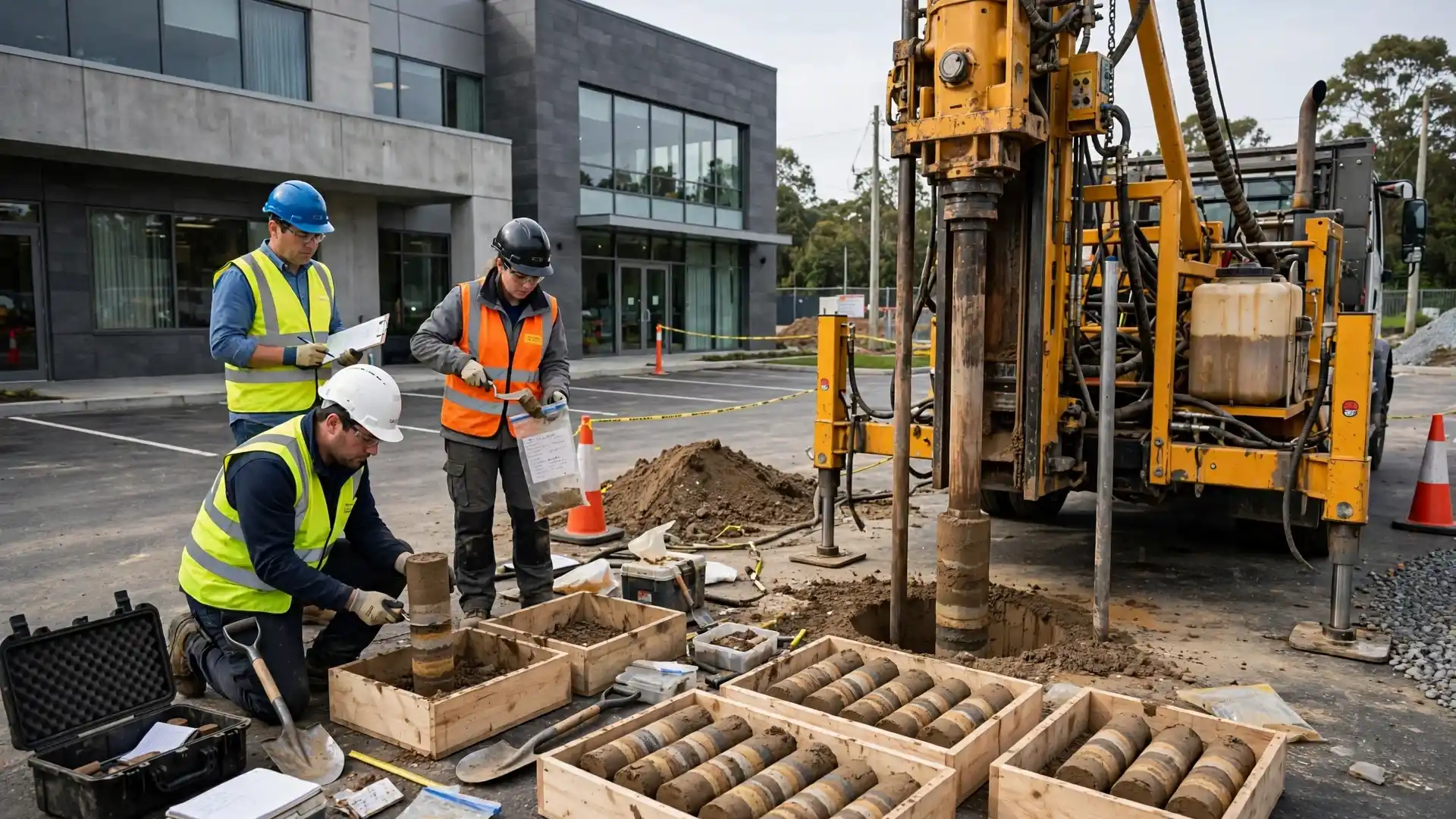
Geotechnical investigation methods may include borings, sampling, in-situ testing, laboratory testing, and groundwater observations.
The specific methods depend on site conditions and the information required for design.
Relevant findings include:
-
Soil stratigraphy and depth to competent bearing materials
-
Soil strength, stiffness, and compressibility
-
Fill characteristics and potential voids
-
Groundwater conditions
-
Existing foundation type and depth
-
Potential effects on adjacent foundations and utilities
A comprehensive investigation helps establish the relationship between structural loading, subsurface behavior, and the foundation remediation methods being considered.
Monitoring Existing Movement
Crack gauges, settlement points, survey measurements, or other monitoring methods may help establish whether movement continues.
Monitoring is particularly useful when the cause is uncertain or when work could affect an occupied structure.
The monitoring program should define reference conditions, measurement frequency, acceptable movement, and the response required when predefined limits are exceeded.
A stable crack does not automatically establish that the foundation has sufficient capacity. Conversely, observed movement should be interpreted in relation to its magnitude, rate, location, and structural consequences.
Soil Stabilization Methods for Foundation Remediation
Soil stabilization addresses ground conditions that contribute to settlement, insufficient bearing support, or other foundation performance problems.
Different methods influence soil behavior through densification, reinforcement, replacement, bonding, or void treatment.
Available techniques include grouting, stone columns, deep soil mixing, and several compaction methods. Their suitability depends on ground conditions, performance requirements, and construction constraints.
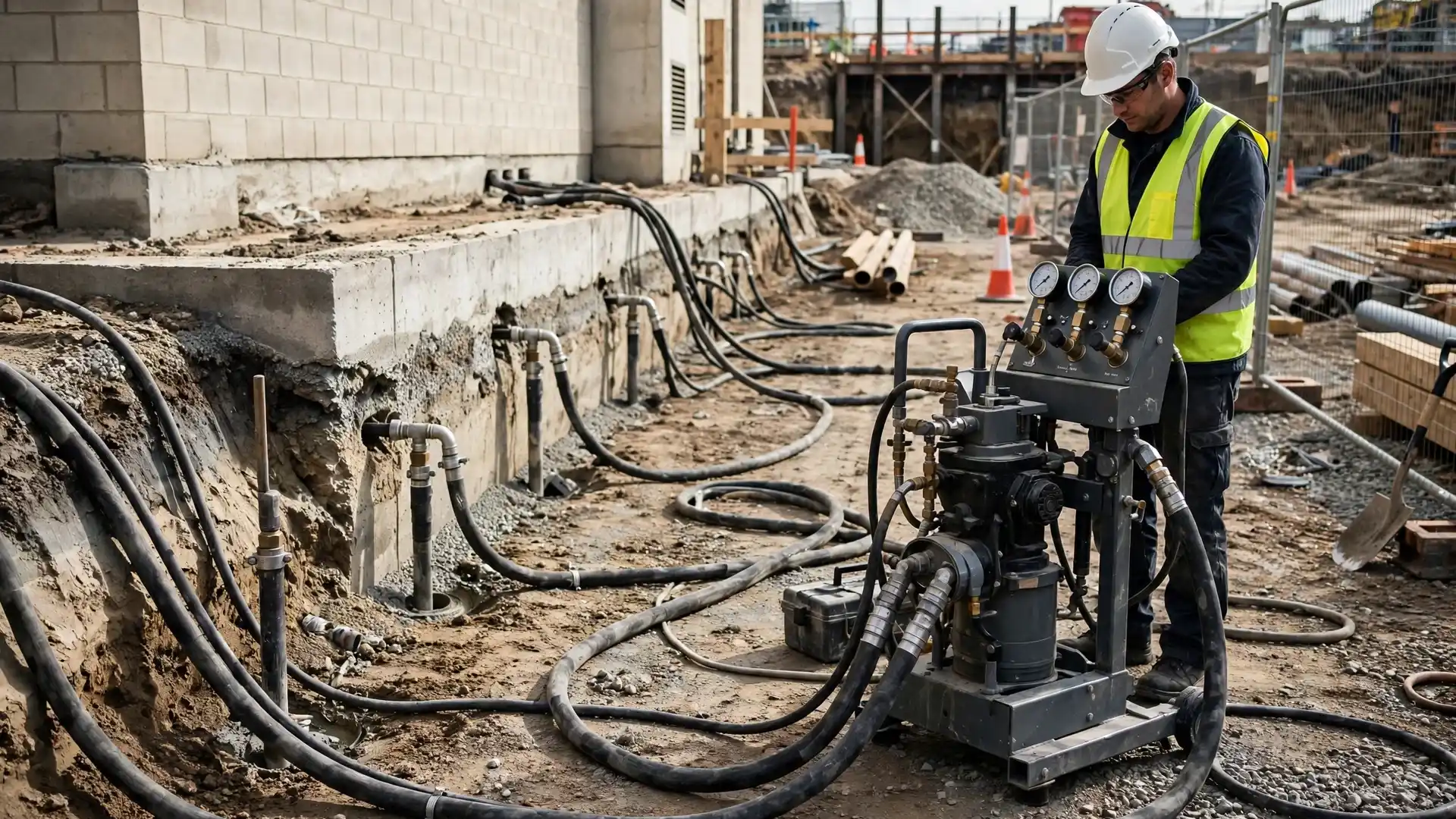
Compaction Grouting and Ground Treatment
Compaction grouting introduces a relatively low-mobility grout into the ground under controlled conditions.
The process can displace and densify certain surrounding soils when conditions are suitable.
Potential applications include selected settlement problems involving loose or poorly consolidated materials.
Engineers must consider grout pressure, injection sequence, ground displacement, nearby utilities, and the possibility of unintended structural movement.
Grouting should not be assumed to correct every soil-related deficiency.
Permeation and Other Injection Methods
Permeation grouting introduces grout into accessible void spaces within sufficiently permeable soil without intentionally displacing the soil mass.
Its feasibility depends on soil gradation, grout properties, hydraulic conditions, and treatment objectives.
Other grouting approaches may be considered for specialized ground improvement or void treatment.
Grouting may be used for permanent ground treatment, remedial work, and certain temporary applications. Depending on site conditions, it may also be combined with structural reinforcement or additional foundation support.
Polyurethane Injection for Slab Support
Polyurethane injection can be used for selected concrete slab lifting and void-filling applications.
The material expands after injection, allowing it to occupy spaces beneath concrete and, when appropriately controlled, contribute to slab elevation correction.
However, lifting a slab and improving the load-bearing properties of deeper soils are different objectives.
For commercial properties, polyurethane injection and concrete stabilization should be evaluated according to slab condition, underlying soil, void geometry, and loading requirements.
When deeper soil strata are responsible for settlement, a different treatment may be necessary.
Deep Foundation Systems for Structural Support
Deep foundation systems transfer structural loads to deeper ground through end bearing, shaft resistance, or a combination of both.
They may be considered when shallow soils cannot provide sufficient support or when stabilizing an existing structure requires transferring loads away from problematic near-surface materials.
Deep foundation options can include driven piles, drilled shafts, micropiles, and other systems selected according to project requirements.
The relationship between structural loading, subsurface conditions, allowable deformation, and construction feasibility is central to foundation selection.
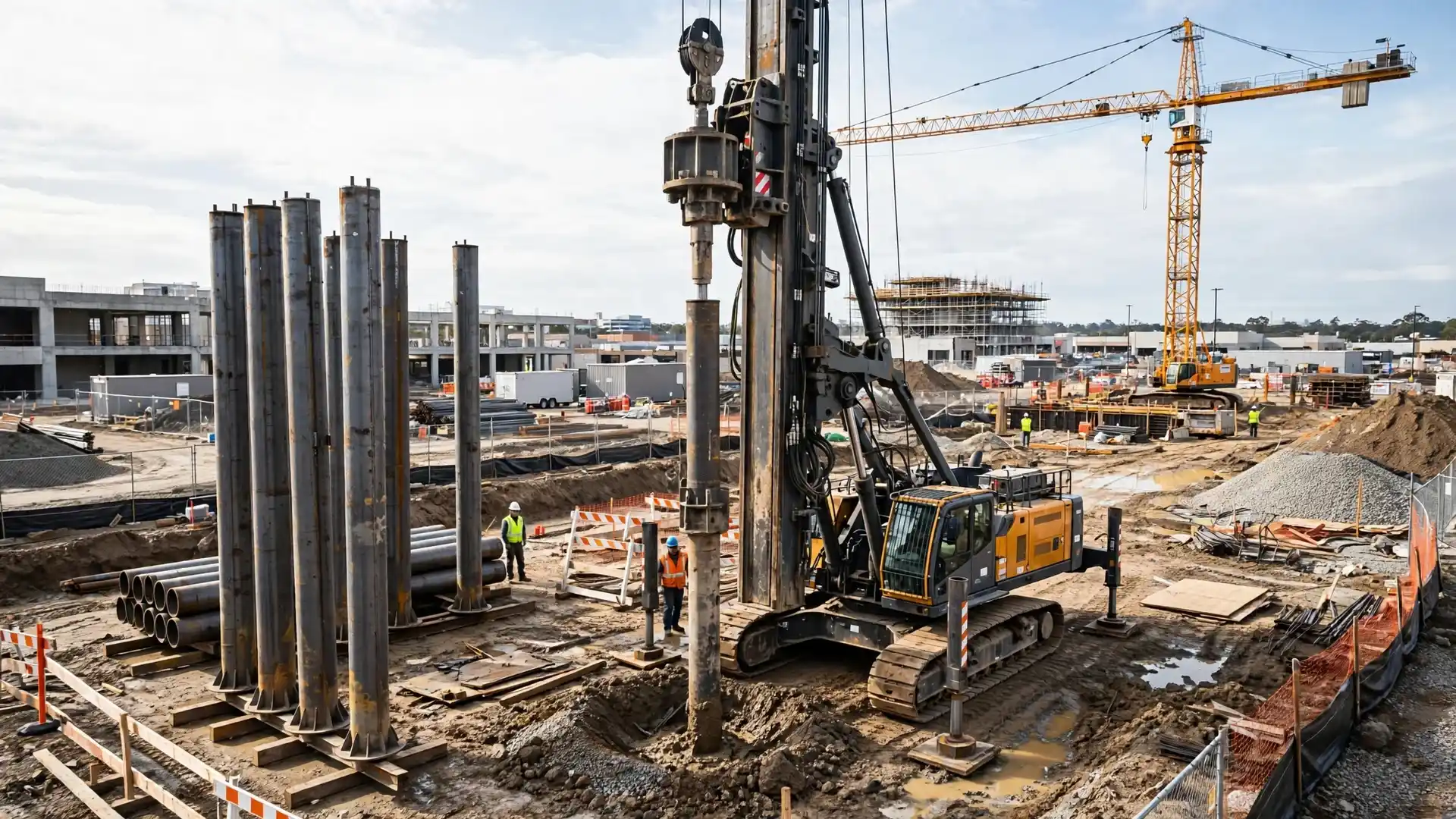
Micropiles for Restricted Access
Micropiles are small-diameter drilled and grouted foundation elements that typically incorporate steel reinforcement.
Their installation equipment can make them useful where access, headroom, vibration, or nearby structures constrain larger foundation systems.
Potential applications include foundation underpinning, strengthening, and support near existing facilities.
Design considerations include axial and lateral capacity, load transfer, group effects, corrosion protection, testing, and the connection to the existing foundation.
Limited access does not eliminate the need for adequate investigation or verification.
Driven Piles and Drilled Foundation Elements
Driven piles and drilled systems may provide significant structural support where subsurface conditions and site constraints permit.
Driven installation can introduce vibration and ground displacement that require assessment near sensitive structures.
Drilled systems present different construction considerations, including bore stability, groundwater, spoil removal, and verification of foundation depth and integrity.
Engineers should compare the methods based on the actual subsurface profile and construction environment rather than installation capacity alone.
Load Transfer and Connection Details
Adding deep foundation elements does not automatically stabilize an existing structure.
The new elements must be connected to the existing load-bearing system through properly designed brackets, caps, beams, or other transfer assemblies.
The engineer should evaluate eccentric loading, local concrete capacity, reinforcement, connection behavior, and sequencing.
Information about deep foundation support systems can help project teams identify a relevant service category for further technical discussion.
Underpinning Existing Foundations Without Compromising Structural Stability
Underpinning modifies or supplements the support beneath an existing foundation.
It is often considered where foundation capacity is inadequate, settlement must be controlled, or construction activity requires a different supporting arrangement.
Underpinning methods may involve new support elements, foundation extensions, transfer beams, or appropriately engineered deep foundations.
The principal challenge is maintaining stability while the original foundation support is modified.
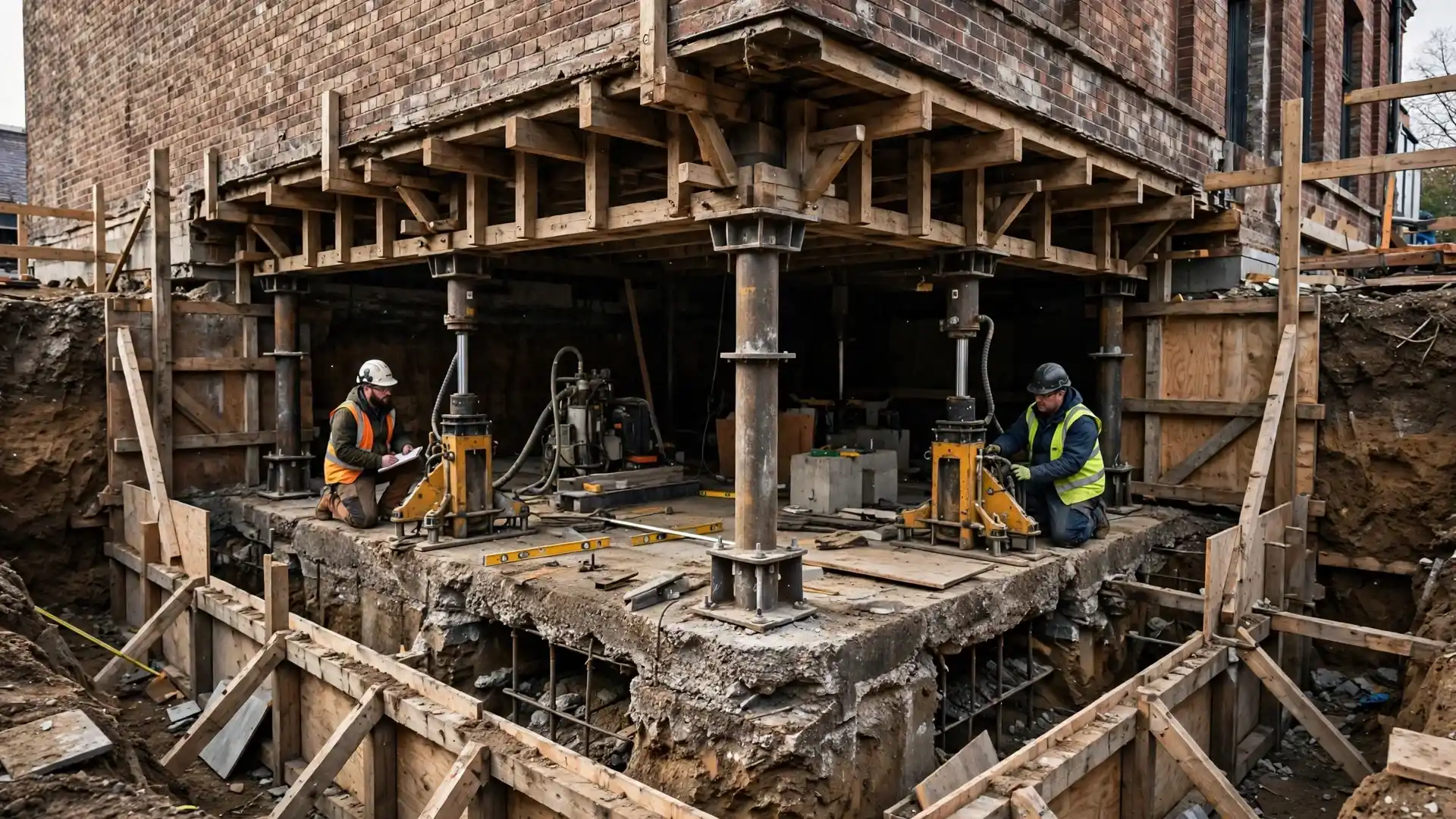
Establishing a Safe Load Transfer Sequence
Underpinning requires careful sequencing because excavation or installation work may temporarily reduce existing support.
An engineer may specify staged construction, temporary shoring, jacking arrangements, and limits on permissible movement.
The contractor must understand which existing elements can remain loaded and which require temporary support during each phase.
Work sequencing should also account for possible variations in the subsurface conditions encountered during installation.
Managing Adjacent Structures
Closely spaced buildings, shared foundations, utilities, and restricted construction access increase the complexity of underpinning.
Even limited ground movement may affect nearby structures.
Preconstruction condition surveys and monitoring can provide a documented reference point.
Any excavation or support alteration should be assessed for its potential influence on adjacent foundations, not just the structure receiving remediation.
Temporary Shoring and Permanent Structural Reinforcement
Temporary structural support and permanent foundation remediation serve different purposes, although they may be required on the same project.
Shoring supports structural elements during a period when their existing load path is insufficient, interrupted, or being modified.
Permanent reinforcement is intended to satisfy the project’s long-term performance criteria.
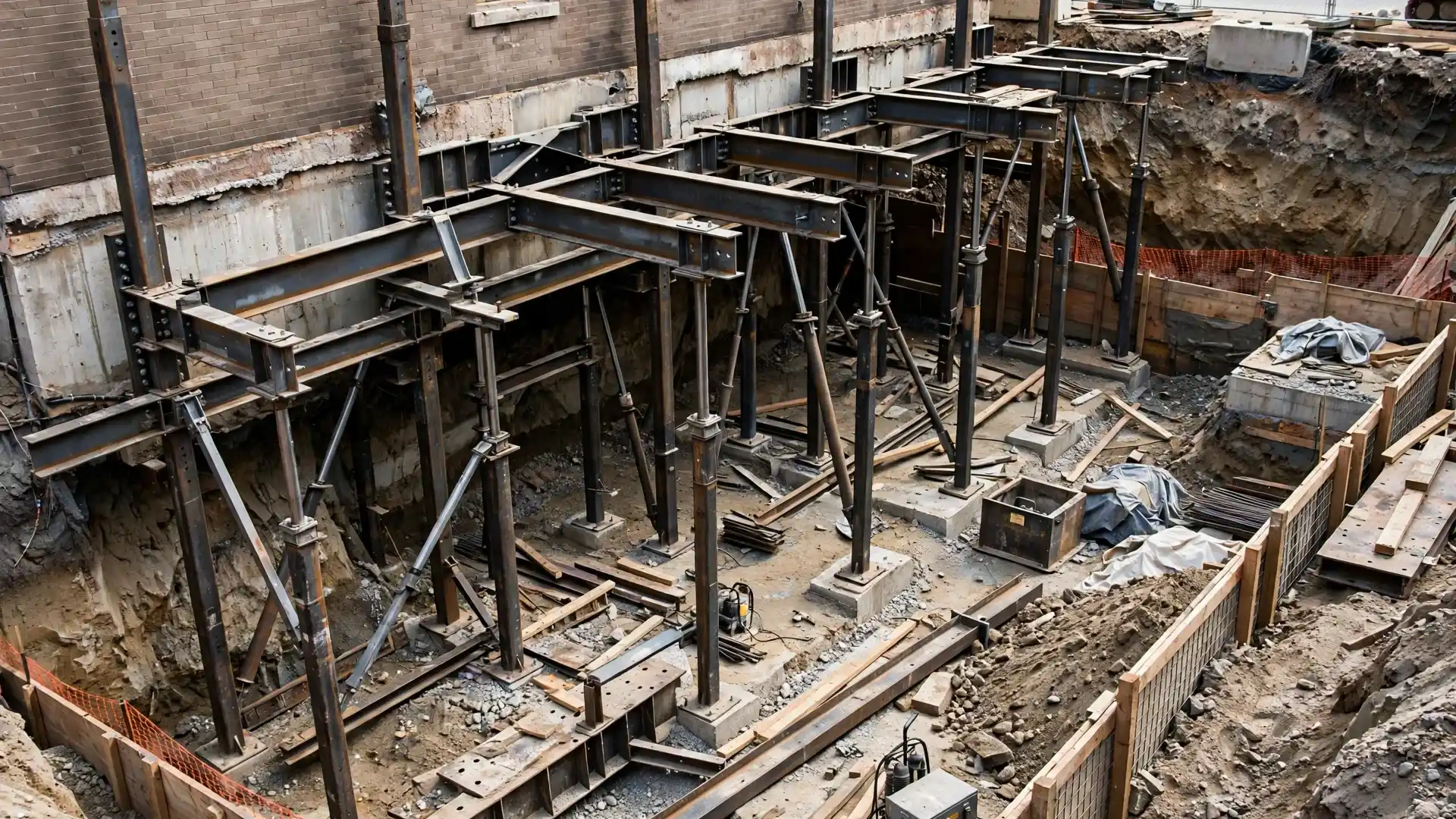
When Temporary Support Is Necessary
Temporary support may be necessary when a damaged foundation element cannot safely carry its intended load, excavation removes supporting material, or structural work changes the original load path.
The design should consider loads during each construction stage, including conditions that may not exist after completion.
Shoring also requires attention to support points, connection behavior, installation tolerances, and safe removal procedures.
Coordinating Permanent Repairs
Permanent structural repairs may involve strengthening foundation elements, installing new supports, reconstructing damaged sections, or improving connections.
Project teams assessing commercial shoring and structural support should distinguish temporary construction requirements from the completed structural system.
The final arrangement must be evaluated as a complete load path rather than a collection of independent repair components.
Comparing Foundation Remediation Solutions by Site Conditions
Foundation remediation methods should be compared against the same engineering criteria before a preferred approach is selected.
A method that performs well in accessible, shallow ground may be unsuitable for an occupied facility with limited headroom or sensitive adjacent foundations.
The following comparison provides a preliminary decision framework. It does not replace project-specific design.
| Remediation Method | Potential Application | Important Engineering Considerations |
|---|---|---|
| Compaction grouting | Densification of suitable loose soils | Grout pressure, soil response, ground movement |
| Polyurethane injection | Slab lifting and localized void treatment | Void geometry, slab condition, depth of problem soils |
| Micropiles | Deep support and underpinning in constrained locations | Load capacity, bond zone, connection design |
| Driven piles | Transfer of loads to deeper supporting ground | Installation vibration, displacement, access |
| Drilled foundations | Deep structural support | Bore stability, groundwater, construction verification |
| Structural reinforcement | Repair or strengthening of existing structural members | Load paths, existing material capacity, connection details |
| Temporary shoring | Support during foundation reconstruction | Construction sequencing, temporary loads, stability |
Choosing Between Ground Improvement and Deep Foundations
The distinction often depends on whether modifying the existing ground can achieve the required performance or whether structural loads must be transferred to deeper materials.
Ground improvement may be appropriate when the problematic soil zone can be treated effectively and the existing foundation remains suitable.
Deep foundations may be more appropriate when soil deficiencies extend beyond a practical treatment depth or when project loads require a different supporting system.
Hybrid approaches are also possible. An engineered scope might combine structural reinforcement, localized ground treatment, and new support elements.
Evaluating Constructability
Technical suitability alone does not determine feasibility.
Engineers and contractors should evaluate equipment access, available headroom, vibration sensitivity, operational restrictions, buried utilities, groundwater control, and construction staging.
For example, a method with sufficient theoretical capacity may still be impractical if equipment cannot enter the building or installation would create unacceptable movement.
Construction constraints should therefore be identified early enough to influence the design.
Quality Control, Testing, and Construction Monitoring
The performance of a foundation remediation project depends on both engineering design and installation quality.
A technically sound concept can be compromised when construction conditions differ from the design assumptions or installation procedures are not adequately controlled.
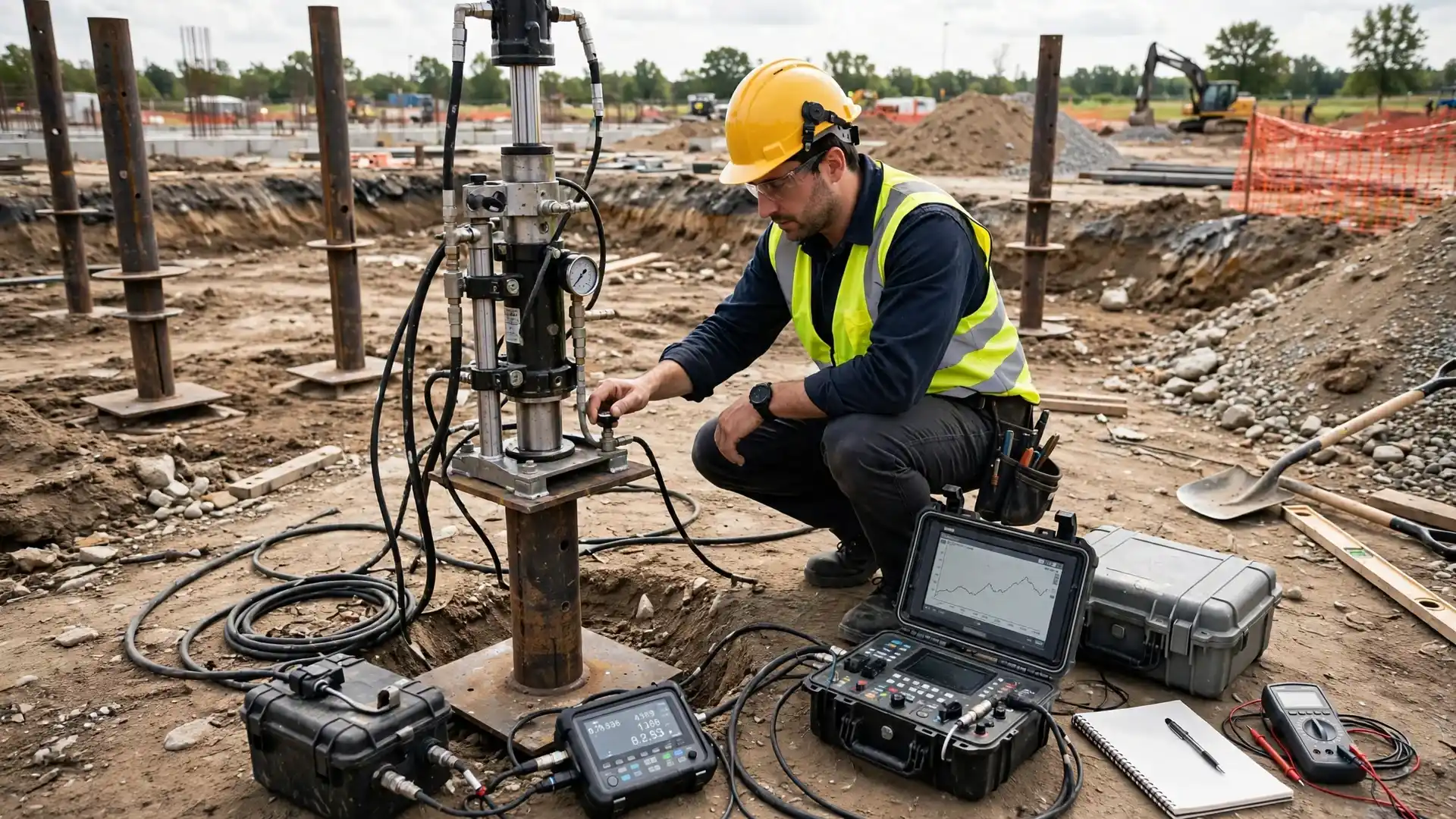
Construction planning, quality control, testing, documentation, and acceptance procedures should be considered throughout the remediation process.
Defining Acceptance Criteria
Before construction begins, the design documents should establish how completed work will be evaluated.
Depending on the remediation system, criteria may address installation depth, material properties, load testing, grout records, structural connections, or permitted movement.
Where testing is required, the specifications should identify the test method, acceptance limits, documentation, and corrective procedures.
The requirements should correspond to the selected system rather than relying on a generic checklist.
Responding to Unexpected Conditions
Subsurface conditions can vary between investigation locations.
Contract documents should establish a process for notifying the engineer when unexpected materials, groundwater conditions, obstructions, or movement are encountered.
Changes affecting the design assumptions should be reviewed before the contractor proceeds with the affected work.
Daily installation records and documented field observations can provide valuable evidence that the completed system meets the intended criteria.
Monitoring During and After Remediation
Monitoring may be needed during excavation, underpinning, jacking, injection, or other operations that could produce movement.
Post-construction monitoring may also be appropriate when long-term ground response remains a concern.
The monitoring plan should identify responsible parties and specify how readings will be interpreted.
The absence of visible cracking immediately after installation is not, by itself, proof of long-term performance.
Coordinating Engineers and Contractors During Foundation Remediation
Foundation remediation projects typically involve multiple technical responsibilities.
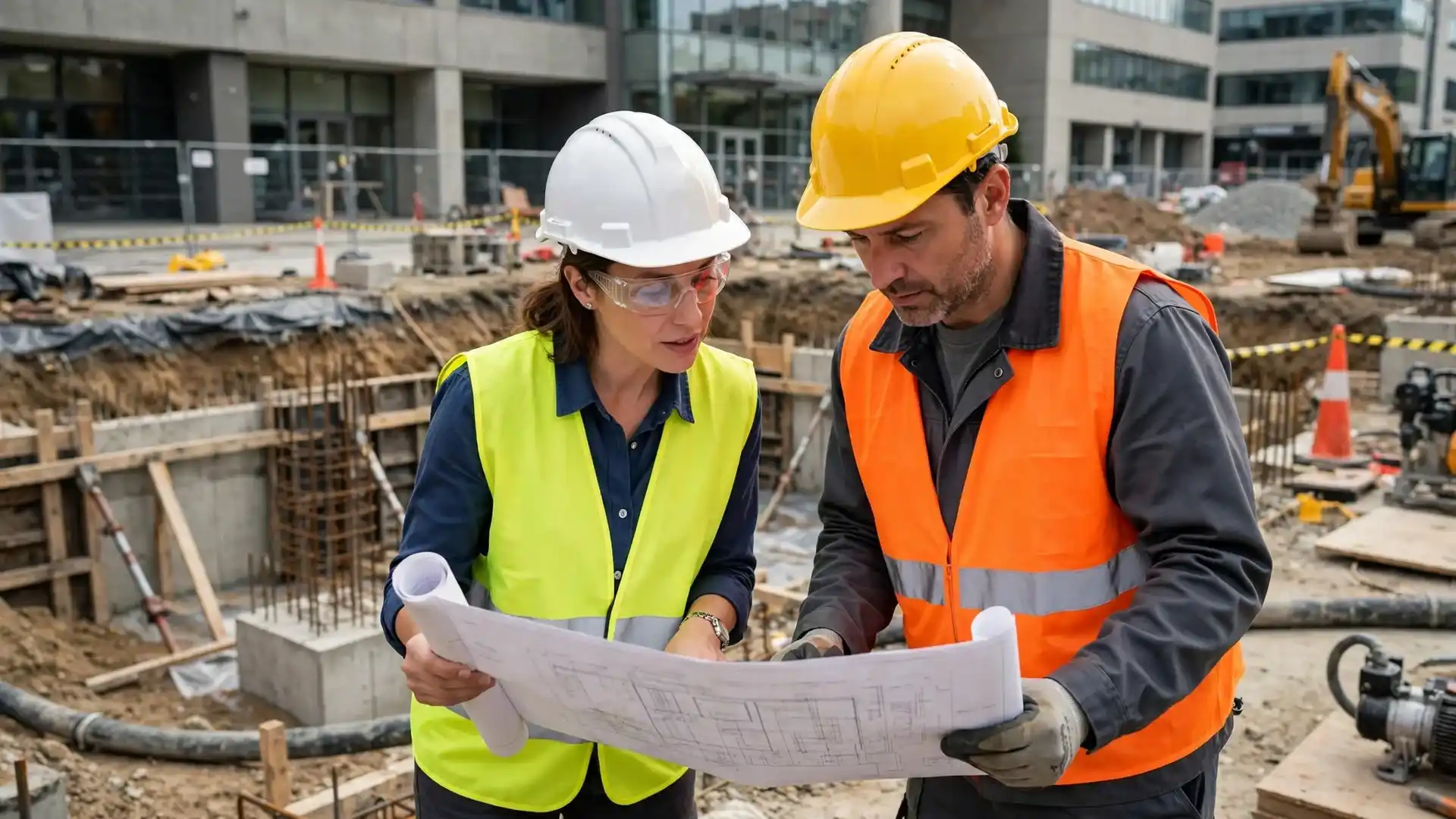
Structural engineers assess the building and its load paths. Geotechnical engineers evaluate subsurface behavior and foundation-ground interaction. Contractors assess construction feasibility and perform the specified work.
Clear coordination is especially important where work occurs within occupied commercial or industrial properties.
Establishing Responsibilities Before Construction
The project team should clarify who is responsible for design, temporary works, construction means and methods, testing, inspection, and approval of field changes.
The engineer of record should retain responsibility for design decisions within their scope.
Contractors should communicate installation constraints and field conditions that may affect the approved design.
When specialized contractors develop delegated designs, responsibility and review procedures should be defined in the contract documents.
Preparing a Technical Project Package
A useful foundation remediation package may include:
-
Existing foundation drawings and available structural records
-
Geotechnical investigation findings
-
Documented distress and movement observations
-
Structural loading information
-
Remediation design drawings and specifications
-
Construction sequencing requirements
-
Monitoring and inspection procedures
-
Testing and acceptance criteria
-
Procedures for documenting unexpected conditions
Providing this information before construction helps the team identify conflicts and understand the intended performance requirements.
Engineers and contractors considering broader commercial foundation repair services can use the project findings to determine which repair categories merit further evaluation.
Questions Engineers and Contractors Commonly Ask
Can Foundation Remediation Stop Settlement Permanently?
An appropriately designed remediation system can reduce or control movement associated with identified mechanisms, but future performance depends on subsurface behavior, loading, drainage, construction quality, and other site conditions.
A permanent guarantee cannot be established simply because support elements were installed. The engineer should define the intended performance and any remaining limitations.
Is Soil Stabilization Better Than Underpinning?
Neither approach is universally preferable.
Soil stabilization changes the properties or behavior of the supporting ground. Underpinning supplements or modifies the foundation support system.
The correct choice depends on the cause of distress, required capacity, depth of problematic materials, and construction conditions.
Can an Existing Foundation Support Additional Building Loads?
Possibly, but the answer requires engineering evaluation.
Existing foundation elements and supporting soils must be assessed against the proposed loading conditions. Additional reinforcement, foundation enlargement, or deep support may be necessary if available capacity is insufficient.
What Determines the Cost of Foundation Remediation?
Costs depend on the extent of damage, investigation requirements, chosen repair method, material quantities, site accessibility, testing requirements, construction sequencing, and operational restrictions.
Comparing contractor proposals requires examining the technical scope, not simply the total price. Two proposals may address different failure mechanisms or provide different levels of verification.
Does Every Foundation Repair Require a Geotechnical Engineer?
Not every minor repair requires an extensive geotechnical investigation. However, projects involving significant settlement, suspected soil deficiencies, deep foundations, or changes in structural loading may require geotechnical engineering input.
The appropriate professional involvement should be determined by the project’s risks, scope, and applicable jurisdictional requirements.
Planning Your Foundation Remediation Project With Tar Heel Foundation Solutions
Foundation remediation is most effective when the proposed repair follows a clear understanding of structural performance, soil conditions, and construction constraints.
Engineers and contractors should evaluate the existing foundation system, identify the mechanism responsible for distress, establish measurable performance requirements, and compare technically suitable remediation methods.
For commercial and construction projects, Tar Heel Foundation Solutions provides a point of contact for discussing potential foundation repair and structural support requirements.
Project teams working on new developments can also review new construction foundation support when subsurface conditions or structural loading require additional foundation planning.
Early discussion between the design team and foundation contractor can help identify installation constraints, scope requirements, and information needed for an informed project assessment.
Talk to Foundation Remediation Experts
Planning a foundation remediation project for a commercial building, industrial facility, or existing structure?
Contact Tar Heel Foundation Solutions to discuss the project requirements, available investigation findings, and potential foundation support approaches.
A qualified structural or geotechnical engineer should review and approve the remediation design as appropriate for the project. Final method selection must reflect the site conditions, applicable building requirements, and engineering assessment.