

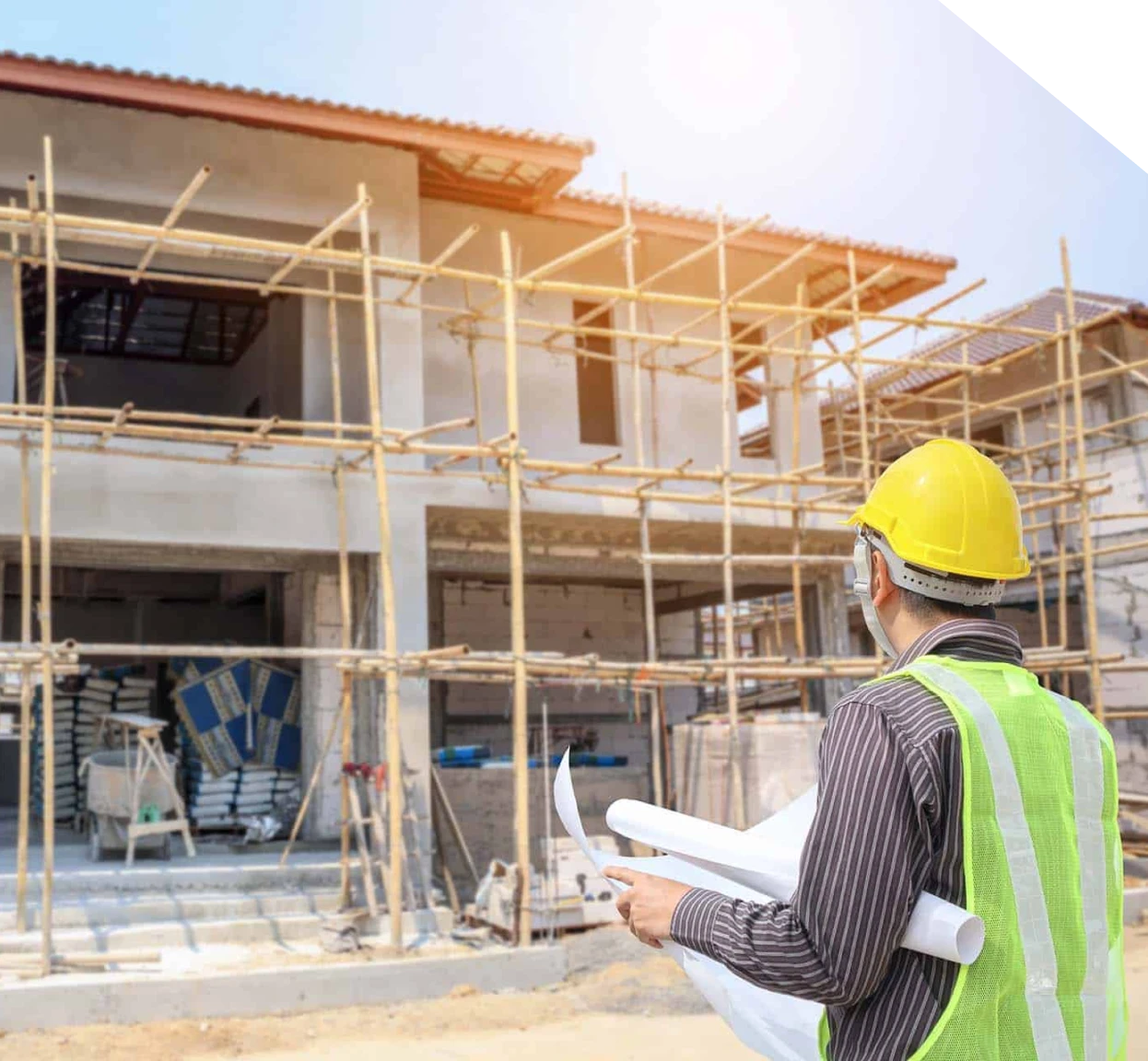
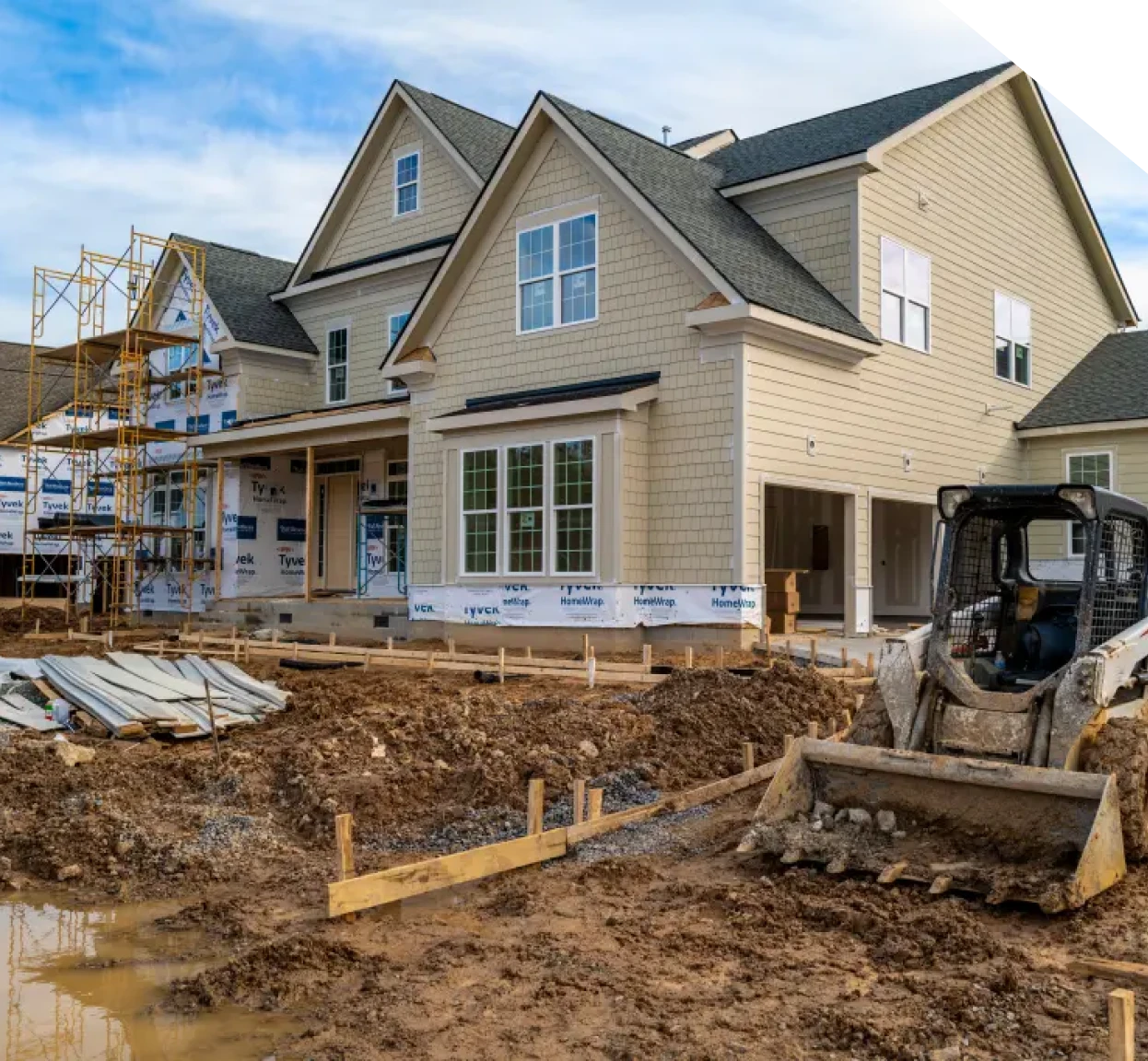

New Construction Services in Fort Mill, SC
Every successful construction project depends on dependable foundation support. Soil conditions, structural loads, site preparation, drainage, and foundation design can all affect how the completed building performs over time.
Tar Heel provides professional new construction services in Fort Mill, SC, with foundation support solutions for builders, developers, general contractors, project managers, and property
- 35+ Years Construction Experience
- Certified Foundation Specialists
- Residential & Commercial Solutions
- Financing Available
- Family-Owned & Locally Operated
- 35+ Years Construction Experience
- Certified Foundation Specialists
- Residential & Commercial Solutions
- Financing Available
- Family-Owned & Locally Operated
Contact form
Get a Free Foundation & Crawl Space Estimate
Concerned about foundation cracks, settling, uneven floors, crawl space moisture, or other structural problems? Tar Heel Foundation Solutions provides professional foundation repair, crawl space repair, moisture mitigation, and concrete leveling services to help protect your home and restore its stability. Our experienced team will inspect your property, identify the cause of the problem, and recommend a practical solution tailored to your needs. Contact us today to schedule your free inspection and estimate.
Plan Foundation Support Before Construction Begins
Foundation concerns are easier to address during the planning and early construction stages than after a building has been completed. Weak soils, unsuitable fill, changing ground conditions, and heavy structural loads can create settlement risks when they are not identified and addressed early.
Tar Heel works with builders, developers, contractors, and property owners to evaluate foundation support requirements before construction moves forward. We consider the planned building, site conditions, foundation design, anticipated loads, access, and project schedule when recommending a suitable approach.
Support the Structure From the Ground Up
Our new construction services focus on creating dependable support beneath planned foundations and structural systems. Early coordination can help reduce future settlement, improve foundation performance, and provide a stronger starting point for the rest of the construction process.
By addressing support requirements before or during foundation installation, project teams can make informed decisions while the site remains accessible and construction activities can be coordinated efficiently.


Complete New Construction Services in Fort Mill, SC
A new building is made up of connected structural systems. The foundation transfers the weight of the structure into the ground, while footings, slabs, walls, columns, and framing distribute loads throughout the completed property.
Conditions below the surface can affect the performance of everything built above them. Weak soil may compress under structural weight. Uncontrolled fill can settle unevenly. Water movement and drainage problems may reduce soil stability around planned foundation areas.
Tar Heel provides professional new construction foundation support in Fort Mill, SC for projects requiring dependable structural support from the beginning.
We focus on evaluating project conditions and identifying potential support concerns before they become expensive construction or post-construction problems. Every recommendation is based on the planned structure, site conditions, accessibility, foundation requirements, and project goals.

New Construction Foundation Support in Fort Mill, SC
New construction foundations must support the weight of the completed building while responding to soil conditions, site elevations, drainage, and anticipated structural loads. When surface soils cannot provide dependable bearing capacity, additional support may be needed before foundation construction continues.
Tar Heel provides professional new construction foundation support in Fort Mill, SC for builders, developers, contractors, and property owners. We evaluate site and project requirements before recommending a support solution designed to improve stability, transfer loads effectively, and help reduce the risk of future settlement.
Why Early Foundation Planning Matters
Foundation support should be considered before construction reaches the point where changes become difficult, disruptive, or expensive.
Early evaluation allows builders and project teams to identify weak soils, settlement risks, access limitations, drainage concerns, and structural support requirements while the project is still being planned or prepared.
Professional new construction support can help create a more dependable base for the building and reduce the possibility of foundation movement after completion.

Identify Site Concerns Early
An early evaluation can identify soil, support, drainage, access, and elevation concerns before foundation work begins.
Reduce Future Settlement Risk
Appropriate foundation support can help limit movement caused by weak, compressible, or inconsistent soil conditions.
Protect the Construction Investment
A dependable foundation helps protect the building materials, labor, systems, and financial investment placed above it.
Improve Project Coordination
Planning foundation support early allows the work to be coordinated with excavation, site preparation, foundation installation, and other construction activities.
Support Structural Loads
Foundation support systems help transfer building loads into soil or bearing materials capable of providing more dependable support.
Reduce Corrective Work
Addressing support concerns during construction may reduce the need for disruptive foundation repairs after the building has been completed.
Support Long-Term Building Performance
A properly supported foundation provides a stronger starting point for walls, floors, framing, equipment, finishes, and other building components.
New Construction Experience You Can Trust
Every construction project is different. Building size, structural design, foundation type, soil conditions, site slope, drainage, access, construction sequencing, and anticipated loads can all affect foundation support requirements.
Tar Heel carefully evaluates the available project information and site conditions before recommending a new construction support plan.
We consider the planned structure, foundation configuration, soil-related concerns, access requirements, project schedule, adjacent structures, and the areas where support may be required.
Our goal is to help builders, developers, contractors, and property owners make informed foundation decisions before construction progresses.


Our New Construction Approach
- Detailed project and site evaluations
- Clear communication with project teams
- Foundation support based on site needs
- Coordination with construction schedules
- Consideration of structural load requirements
- Planning around site access
- Focus on long-term foundation performance
- Final review of completed support work
Why Fort Mill Builders Choose Tar Heel
New Construction Focus
Tar Heel provides foundation support solutions designed for projects that are being planned, prepared, or actively constructed.
Detailed Site Evaluations
We review visible site conditions, planned construction areas, access, and potential foundation support concerns before recommending a solution.
Project-Specific Recommendations
Every recommendation is based on the structure, foundation plan, soil-related conditions, loads, construction sequence, and project requirements.
Clear Project Communication
We explain the recommended support approach, affected areas, installation considerations, and expected scope of work.
Professional Support Systems
Our team uses established foundation support methods selected according to project and site requirements.
Construction Coordination
We consider excavation, foundation schedules, equipment access, material deliveries, and other active construction requirements when planning the work.
Focus on Prevention
We help address potential settlement and support concerns before they become completed-building repair problems.
Long-Term Structural Support
Our new construction solutions are intended to support foundation performance and the long-term condition of the completed property.
Common New Construction Challenges We Address
Shallow soil may not provide enough bearing capacity to support the anticipated weight of the completed structure.
Certain soil layers may compress under building loads and contribute to settlement after construction.
Fill material that was not placed or compacted correctly may create inconsistent support beneath planned foundations.
Soil strength can change across a construction site, causing different sections of the foundation to receive uneven support.
Larger buildings, specialized areas, equipment, and concentrated loads may require stronger foundation support.
Site and soil conditions may indicate that the planned foundation could move after the building is completed.
Water movement and inadequate drainage can affect soil stability around foundations and construction areas.
Wet or saturated soil may provide less dependable support and create challenges during foundation preparation.
Elevation changes may create different excavation, support, drainage, and foundation requirements across the property.
Tight construction areas, nearby buildings, utilities, and property boundaries may affect equipment access and installation planning.
Construction near existing buildings may require careful planning to avoid affecting neighboring foundations and occupied spaces.
Design revisions, equipment additions, or changes in building use may alter the original foundation support requirements.
Different sections of a building may require foundations at varying elevations, creating additional support and coordination needs.
Foundation support work must often be coordinated with excavation, inspections, concrete placement, and other construction milestones.
Our New Construction Support Process

Share Your Project Information
Contact Tar Heel and provide available details about the planned structure, construction site, foundation design, schedule, and support concerns.
Schedule a Site Evaluation
Our team visits the construction site and reviews the planned foundation areas, access, elevations, and visible site conditions.


Review Project Requirements
We consider structural loads, foundation configuration, soil-related concerns, construction sequencing, drainage, and other relevant project factors.
Identify Support Needs
We determine which areas may require additional foundation support and what conditions may affect installation.


Review the Recommended Solution
You receive a clear explanation of the proposed foundation support approach and the project areas involved.
Coordinate the Installation Plan
We confirm access, scheduling, equipment requirements, construction sequencing, and coordination with the project team.


Complete the Foundation Support Work
Our team installs the approved support system using appropriate equipment, materials, and professional methods.
Final Project Review
We review the completed work with the builder, contractor, developer, owner, or designated project representative.

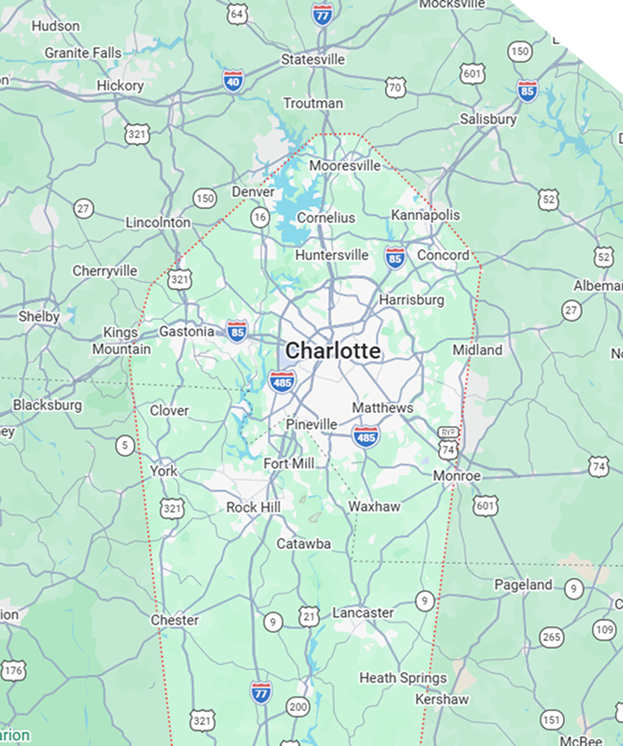
Proudly Serving Fort Mill, SC and Surrounding Communities
Tar Heel provides professional new construction foundation support throughout Fort Mill, SC, and nearby communities across York County, Gaston County, Mecklenburg County, and Union County.
We work with builders, developers, contractors, project managers, and property owners in Rock Hill, Tega Cay, Lake Wylie, York, Clover, Gastonia, Belmont, Mount Holly, Charlotte, Huntersville, Matthews, Monroe, Indian Trail, Waxhaw, and surrounding areas.
From site evaluation and early foundation planning to the installation of new construction support systems, our team provides dependable solutions designed to support residential, commercial, multifamily, and other new development projects throughout the greater Fort Mill region.

Frequently Asked Questions
What new construction service does Tar Heel provide in Fort Mill, SC?
Tar Heel provides new construction foundation support for builders, developers, contractors, project managers, and property owners preparing residential, commercial, multifamily, and other building projects.
What is new construction foundation support?
New construction foundation support helps provide dependable load transfer when shallow or existing soil conditions may not adequately support the planned structure.
When should foundation support be considered?
Foundation support should be considered during planning, site preparation, or early construction when soil conditions, structural loads, or settlement risks indicate that additional support may be required.
Why is early foundation planning important?
Early planning allows potential support concerns to be addressed before foundation installation and before the building has been completed. This can make coordination easier and reduce future corrective work.
What types of projects may need foundation support?
Foundation support may be appropriate for residential developments, commercial buildings, multifamily properties, additions, institutional facilities, mixed-use projects, and other new structures.
Can new construction foundation support help reduce settlement?
Properly selected foundation support can help transfer building loads to more dependable bearing materials and reduce the risk of settlement related to weak surface soil.
What soil conditions may create foundation concerns?
Weak soil, compressible layers, uncontrolled fill, high moisture, erosion, variable soil strength, and poor compaction may affect foundation performance.
Can foundation support be installed before concrete foundations are placed?
Foundation support is often coordinated before or during foundation construction. The appropriate timing depends on the design, site conditions, construction sequence, and selected support method.
Can Tar Heel coordinate with builders and contractors?
Yes. Project planning may involve coordination with builders, general contractors, developers, project managers, and other representatives responsible for site preparation and foundation construction.
What project information is helpful during the initial consultation?
Available site plans, foundation details, construction schedules, structural information, soil-related findings, access requirements, and descriptions of known concerns can help with the initial evaluation
Does every new building require additional foundation support?
No. Many projects can use conventional foundation systems when soil and design conditions are suitable. Additional support may be considered when site or structural requirements indicate it is necessary.
Can foundation support be planned for building additions?
Yes. New additions may require foundation support depending on the planned loads, existing structure, soil conditions, and connection between the original building and new construction.
How are support recommendations determined?
Recommendations are based on the planned structure, site conditions, anticipated loads, foundation design, accessibility, construction sequence, and other project-specific factors.
Can the work be coordinated with the construction schedule?
Foundation support work can be planned around excavation, foundation preparation, inspections, concrete placement, equipment access, and other construction milestones.
How long does new construction foundation support take?
The timeframe depends on the project size, number of support locations, access, site conditions, installation method, and construction schedule.
Does Tar Heel provide new construction services outside Fort Mill?
Tar Heel serves new construction projects in Fort Mill and surrounding communities. Contact the team to confirm service availability for your project location.
Proudly Serving North & South Carolina
South Carolina Service Areas
North Carolina Service Areas
What Our
Customers Are Saying

Posted on Google Andy Irvin08/07/2026Trustindex verifies that the original source of the review is Google. They did a great job on my vapor barrier! I would refer them to anyone! Great job team!Posted on Google Morgan Sharp20/05/2026Trustindex verifies that the original source of the review is Google. Tar Heel Foundation Solutions showed up right on schedule and tackled the crawl space repair with impressive precision, installing helical piers that feel like a solid foundation for years to come. They also carefully repointed the brickwork, making each notch neat and sturdy, which definitely earned my stamp of approval—I’d recommend them without hesitation for anyone needing reliable, well-crafted foundation work.Posted on Google JAMI Mullis06/05/2026Trustindex verifies that the original source of the review is Google. The team was super knowledgeable and handled every detail perfectly, it really eased my stress. Bryce was thorough and well equipped to execute at the highest level.Posted on Google Kevin Cloer08/04/2026Trustindex verifies that the original source of the review is Google. They did an amazing job fixing my bowing wall with helical underpinning that feels solid and secure now. price was fair, and everyone I dealt with was super helpful and professional, making the whole process smooth and stress-free for me. I sleep better knowing my foundation is securePosted on Google E Hourani20/03/2026Trustindex verifies that the original source of the review is Google. Executed the work with precision and on time. Tar Heel Foundation did not disappoint!Posted on Google Lesley Burroughs13/03/2026Trustindex verifies that the original source of the review is Google. We had a great experience with Brandon and his crew. Highly recommend!
Schedule Your New Construction Foundation Consultation
Weak soil, changing ground conditions, heavy structural loads, and inadequate foundation support can affect a building long after construction is complete.
Tar Heel provides professional new construction foundation support in Fort Mill, SC, with solutions designed around the planned structure, site conditions, construction sequence, access, and long-term performance requirements.
Schedule a project consultation to discuss your new construction plans and determine whether additional foundation support may be appropriate for the development.