


Your home depends on a strong foundation to support everything above it. When foundation problems develop, they can affect floors, walls, doors, windows, crawl spaces, and the overall stability of the structure.
Many homeowners first notice small warning signs such as a crack in the wall, a sticking door, or an uneven floor. These issues may appear minor, but they can sometimes indicate movement beneath the home that requires professional evaluation.
Foundation repair is not about fixing a visible symptom alone. The right solution depends on understanding why the problem developed, how much movement has occurred, and which repair method addresses the underlying cause.
This guide explains the common signs of foundation issues, what causes foundation damage, how professionals evaluate problems, available repair options, and what homeowners should consider before moving forward.
Understanding Why Foundation Problems Develop
A foundation transfers the weight of a structure into the surrounding soil. When the soil conditions change or the foundation experiences stress beyond what it can handle, movement can occur.
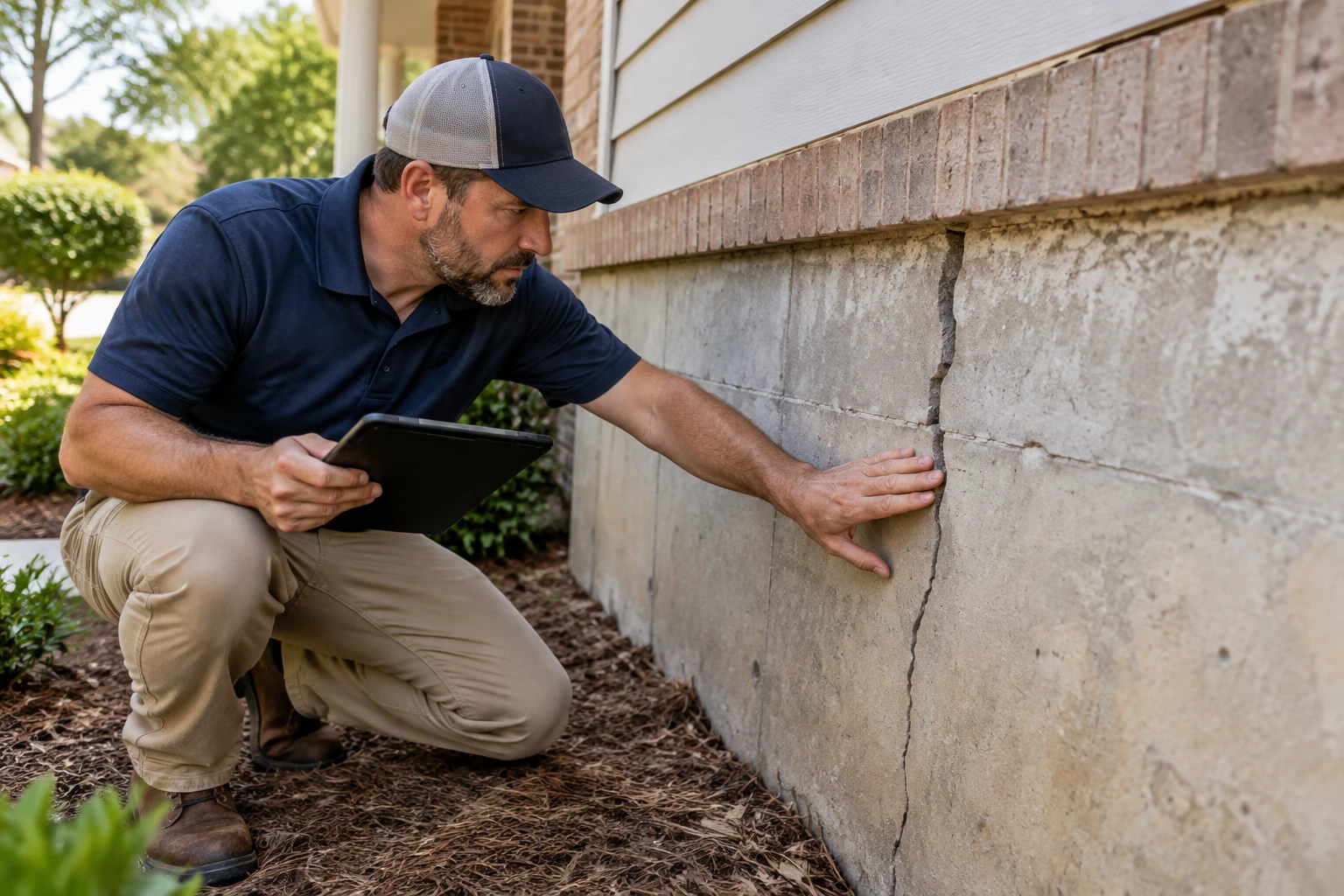
Some foundation movement is expected over the life of a home. Materials naturally expand and contract, and soil conditions can shift with changes in moisture levels. However, certain types of movement may create structural concerns that require attention.
Foundation problems often develop because of a combination of factors rather than one single cause.
Common contributing factors include:
- Changes in soil moisture
- Poor drainage around the home
- Soil settlement
- Expansive soil conditions
- Water intrusion
- Construction-related issues
- Long-term environmental changes
Understanding the cause is an important first step because repairing the visible damage without addressing the underlying issue may not provide a long-term solution.
For example, repairing a crack in a wall may improve appearance, but if the foundation continues moving, the crack may return.
Recognizing the Warning Signs of Foundation Problems
Foundation issues can appear in different ways depending on the type of home, foundation system, soil conditions, and severity of movement.
Some signs are easy to notice, while others develop gradually and may be overlooked.
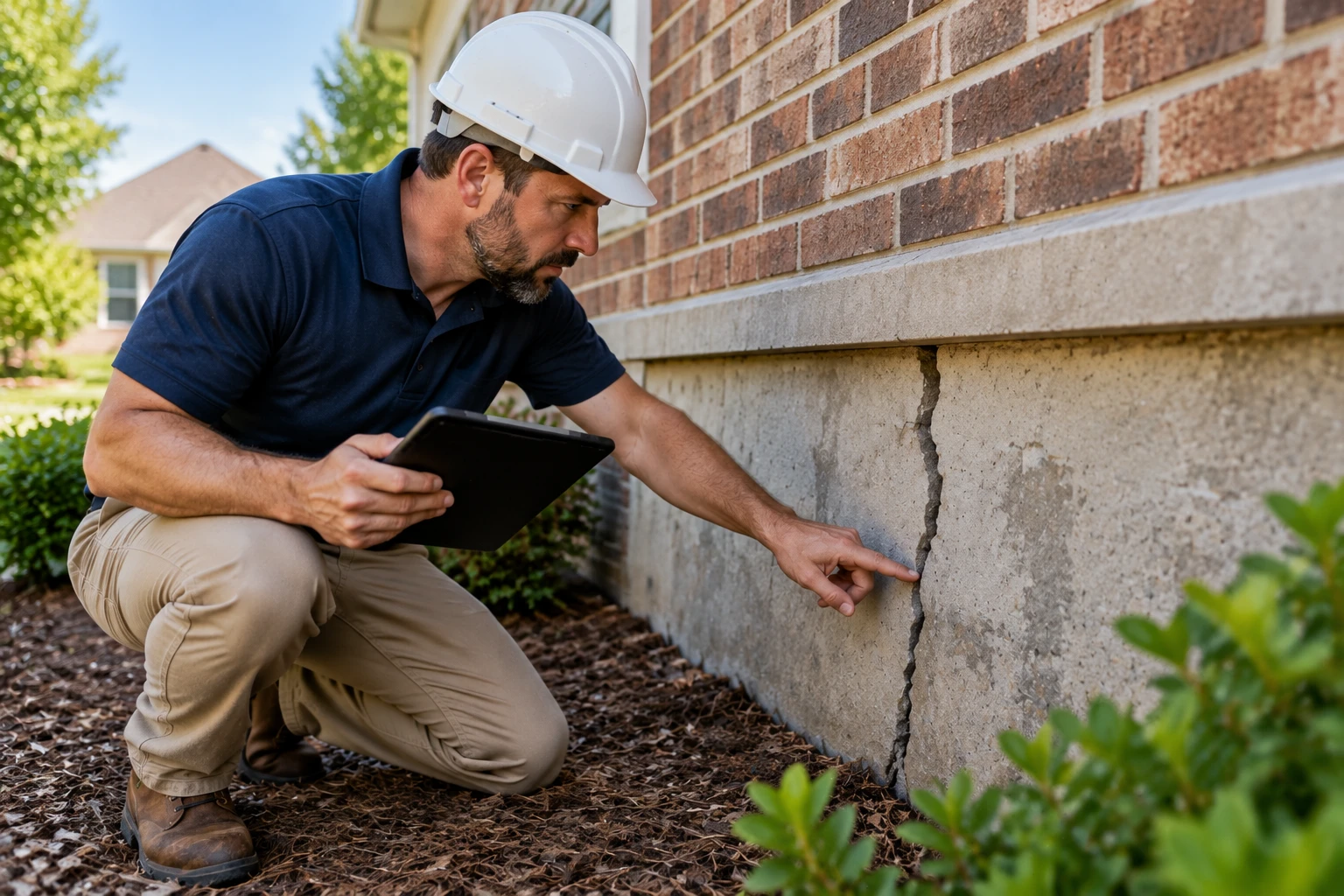
Cracks in Walls, Floors, or Foundation Areas
Cracks are one of the most common signs homeowners notice. However, not every crack means the foundation has a serious problem.
Small cracks can occur from normal settling, temperature changes, or material movement. Larger cracks, growing cracks, or cracks that appear alongside other symptoms may require further evaluation.
Pay attention to:
- Cracks that continue growing over time
- Stair-step cracks in brick or masonry
- Horizontal cracks in foundation walls
- Gaps forming around windows or doors
The location, size, and pattern of a crack often provide important clues about what may be happening beneath the structure.
Doors and Windows That Stick
When a foundation shifts, parts of the home can become slightly misaligned.
Homeowners may notice:
- Doors that no longer close properly
- Windows that become difficult to open
- Uneven gaps around frames
These issues do not always indicate foundation damage, but when they occur with other warning signs, they may justify a professional inspection.
Uneven Floors or Sloping Areas
A floor that feels uneven can sometimes indicate movement beneath the structure.
Possible causes may include:
- Foundation settlement
- Support issues
- Moisture-related problems
- Structural movement
An inspection helps determine whether the issue is related to the foundation or another part of the home’s structure.
Gaps Around Interior and Exterior Areas
Visible separation between building components can indicate movement.
Examples include:
- Gaps between walls and ceilings
- Separation around trim
- Spaces between walls and floors
- Exterior brick or siding separation
These signs should be considered together rather than evaluated individually.
What Causes Foundation Settlement and Structural Damage?
Foundation settlement occurs when the soil beneath a foundation changes or compresses, causing part of the structure to move.
Some settlement happens naturally after construction. The concern usually begins when movement becomes uneven, continues over time, or affects the structural integrity of the home.
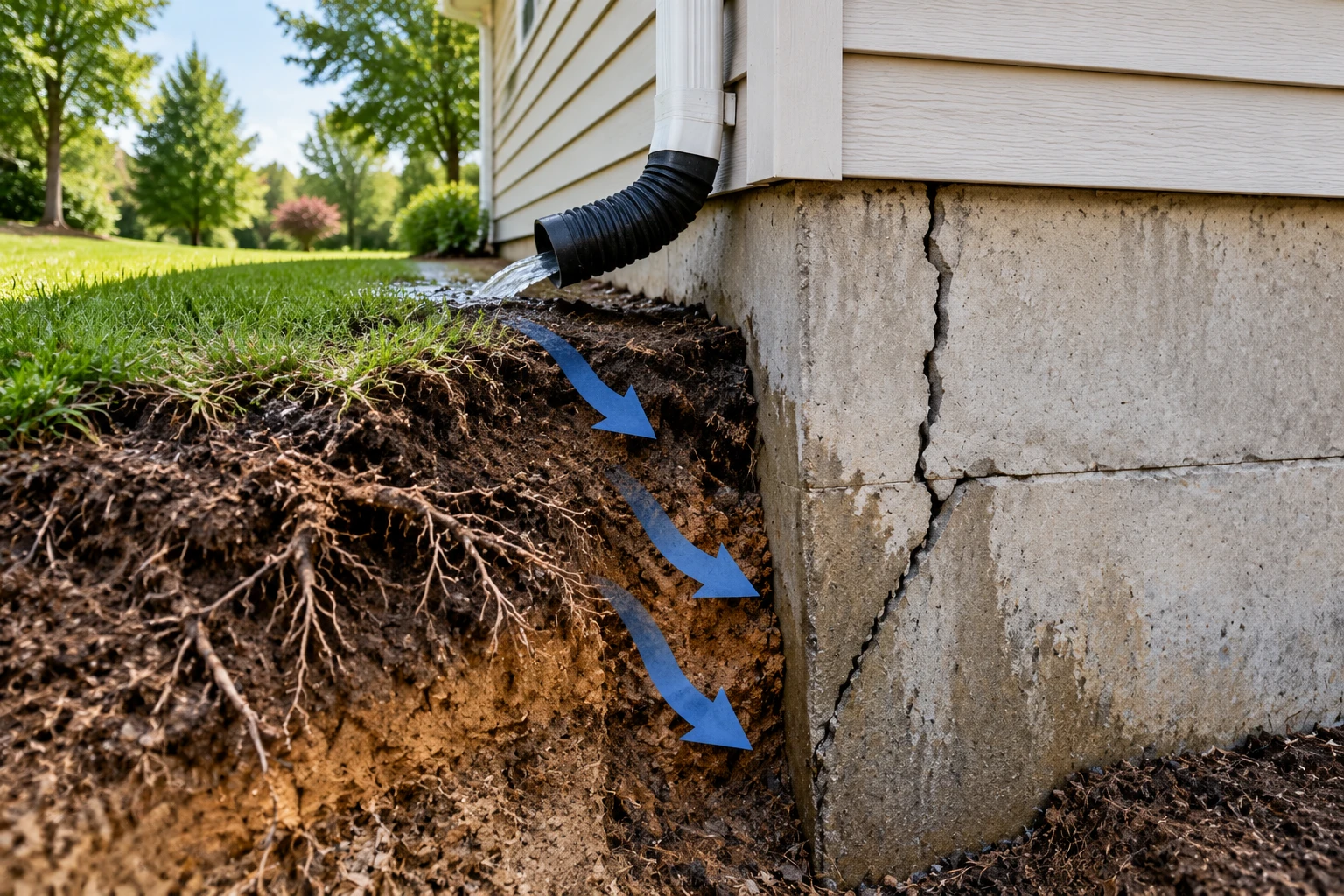
Soil Movement
The soil surrounding and beneath a home plays a major role in foundation stability.
Different soil types respond differently to moisture changes. Soil may expand when wet and contract during dry periods, creating pressure changes around the foundation.
Drainage Problems
Water management is one of the most important factors affecting foundation conditions.
Poor drainage can lead to:
- Excess moisture around foundation walls
- Soil expansion
- Erosion
- Increased pressure against foundation structures
Proper drainage systems help reduce unnecessary stress on the foundation.
Moisture and Crawl Space Conditions
Homes with crawl spaces can experience foundation-related problems when moisture levels remain high.
Excess moisture may contribute to:
- Wood deterioration
- Mold-friendly conditions
- Structural support issues
- Soil instability
Addressing crawl space conditions can be an important part of protecting the overall structure.
How Professionals Evaluate Foundation Problems
Finding the right foundation repair approach starts with understanding the actual cause of the problem. A visible crack, uneven floor, or sticking door may point toward a foundation issue, but these symptoms alone do not always explain what is happening below the surface.
A professional evaluation focuses on identifying:
- Where movement is occurring
- Why the movement developed
- Whether the issue is active or stable
- Which repair method matches the condition
A proper inspection helps homeowners avoid unnecessary repairs and ensures the recommended solution addresses the underlying problem rather than only the visible signs.
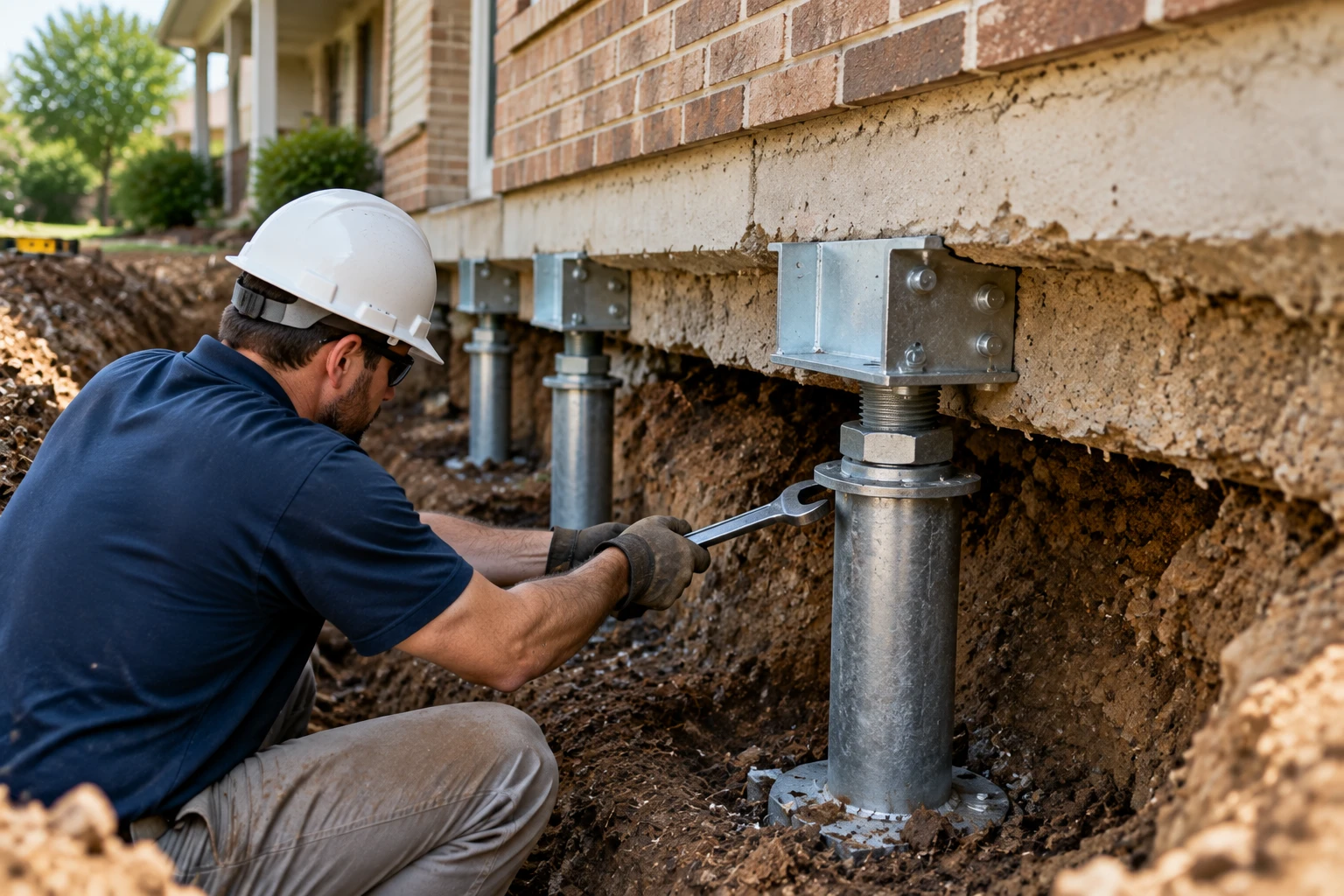
Reviewing Visible Signs and Structural Conditions
The inspection process typically begins with a detailed review of the home’s condition.
Professionals may examine:
- Interior and exterior cracks
- Foundation walls
- Floors and support areas
- Doors and windows
- Crawl spaces or basement areas
- Drainage conditions around the property
The goal is to understand how different signs connect. For example, a wall crack combined with uneven flooring and moisture concerns may indicate a different situation than an isolated cosmetic crack.
Identifying the Source of Movement
Foundation problems can develop for different reasons, so identifying the cause is essential.
Possible factors include:
- Soil settlement beneath the foundation
- Water-related soil changes
- Foundation wall pressure
- Damaged support structures
- Concrete deterioration
Understanding the source helps determine whether the solution requires stabilization, structural repair, concrete repair, moisture control, or another approach.
Why Professional Assessment Matters
Many foundation concerns cannot be accurately evaluated by appearance alone.
A small visible issue may have a simple explanation, while a larger structural concern may require more extensive attention. A professional inspection provides a clearer understanding of the condition and helps homeowners make informed decisions.
Exploring Different Foundation Repair Solutions
Foundation repair is not a single process. The appropriate method depends on the type of foundation, the cause of movement, and the condition of the structure.
Some repairs focus on stabilizing movement, while others address damaged materials, moisture concerns, or specific structural problems.
Common solutions include:
- Foundation stabilization
- Structural repair
- Concrete slab repair
- Crawl space repair
- Earth anchor systems
- Polyurethane foam injection
Each method serves a different purpose.
Foundation Stabilization for Ongoing Movement
When a foundation has experienced settlement or movement, stabilization may be recommended to help support the structure.
Foundation stabilization focuses on improving support and reducing continued movement.
This type of repair may be considered when homeowners experience:
- Settling foundation areas
- Uneven support conditions
- Structural movement concerns
- Long-term stability issues
The right stabilization approach depends on the foundation type and the conditions affecting the property.
Related service: Foundation stabilization solutions can help address foundation movement and long-term structural support needs.
Structural Repair for Foundation-Related Damage
Some foundation issues extend beyond the foundation itself and affect other structural components of the home.
Structural repair may address concerns such as:
- Damaged support areas
- Structural weaknesses
- Foundation-related movement
- Compromised building components
A complete evaluation helps determine whether structural repairs are needed alongside foundation work.
Concrete Slab Repair for Damaged Concrete Areas
Concrete slabs can develop problems caused by settlement, soil movement, or changes beneath the surface.
Concrete slab related issues include:
- Cracked concrete surfaces
- Uneven slabs
- Sunken concrete areas
- Separation between concrete sections
Concrete slab repair focuses on restoring damaged areas and improving stability where appropriate.
Crawl Space Repair and Moisture Control
Crawl spaces are an important part of many homes, and their condition can influence the foundation and structural support system.
Problems inside crawl spaces may include:
- Excess moisture
- Damaged supports
- Poor air circulation
- Structural deterioration
Addressing crawl space conditions can help protect the foundation environment and prevent additional problems.
Factors That Influence Foundation Repair Cost
One of the most common questions homeowners ask is how much foundation repair will cost.
The answer depends on several factors because every foundation problem is different.
A repair estimate may consider:
- Type of foundation issue
- Extent of movement or damage
- Required repair method
- Accessibility of the affected area
- Soil and drainage conditions
- Additional structural concerns
A minor repair and a major stabilization project involve very different processes, materials, and labor requirements.
Why Foundation Repair Costs Vary Between Homes
Two homes may have similar-looking cracks but require completely different solutions.
For example:
A small crack caused by normal material movement may require a different approach than a foundation wall experiencing ongoing pressure from soil conditions.
This is why an inspection is usually the first step before discussing repair options or expected costs.
What Homeowners Should Consider Before Choosing a Repair Solution
Cost is one factor, but it should not be the only consideration.
Homeowners should also evaluate:
- Whether the repair addresses the underlying cause
- How the solution fits the condition of the home
- Whether related issues need attention
- The experience of the contractor performing the work
Choosing the correct repair approach can help prevent repeated problems caused by addressing only surface-level symptoms.
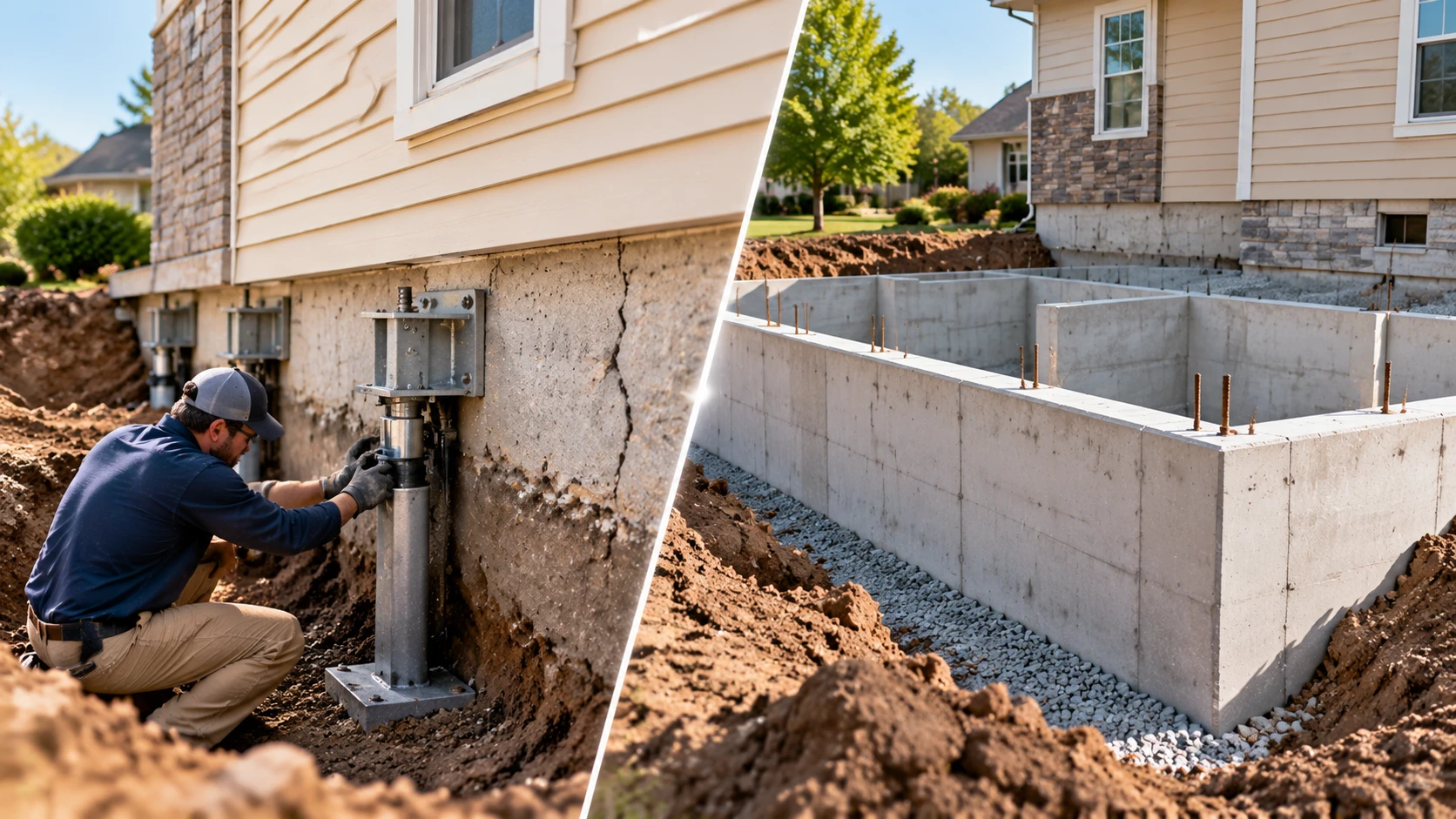
Understanding the Difference Between Foundation Repair and Foundation Replacement
When homeowners discover foundation problems, one common concern is whether the entire foundation needs to be replaced.
In many situations, foundation repair is designed to address specific issues without removing and rebuilding the entire foundation system. However, the right approach depends on the severity of the problem, the condition of the existing structure, and the recommendations from a professional evaluation.
The goal of foundation work is not always to replace what exists. In many cases, the focus is on restoring stability and addressing the cause of movement.
When Foundation Repair May Be the Right Approach
Foundation repair is often considered when the existing foundation can still be stabilized or restored.
Repair solutions may be appropriate for issues such as:
- Localized settlement
- Foundation movement
- Concrete cracks
- Structural support concerns
- Crawl space-related problems
- Uneven areas caused by soil conditions
The specific repair method depends on what is causing the problem.
For example, a foundation experiencing movement because of unstable soil may require stabilization, while a damaged concrete area may require a different repair approach.
When More Extensive Foundation Work May Be Needed
Some situations involve more significant structural concerns.
A professional evaluation may identify conditions such as:
- Severe foundation deterioration
- Extensive structural damage
- Major instability
- Problems affecting the overall safety or usability of the structure
In these cases, more comprehensive solutions may be considered.
However, homeowners should avoid assuming the most extensive repair is automatically required. A proper inspection helps determine the appropriate level of work based on the actual condition of the foundation.
Common Mistakes Homeowners Make When Dealing With Foundation Problems
Foundation issues can feel overwhelming, especially when homeowners are unsure what the signs mean or which repair option is appropriate.
Several common mistakes can make the situation more difficult.
Ignoring Early Warning Signs
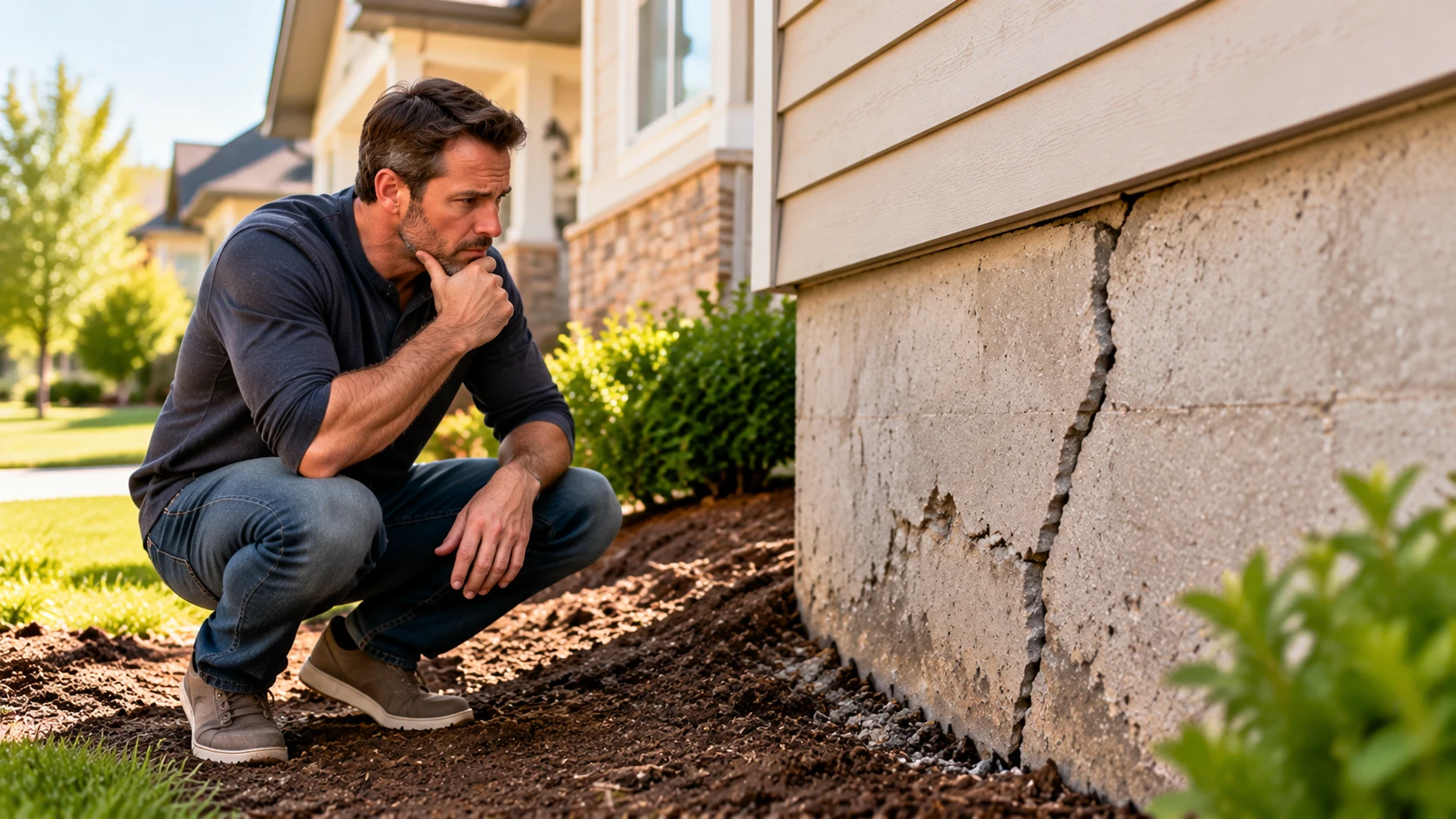
Many foundation problems become more complicated when early signs are overlooked.
A small issue may appear harmless, but changes over time can indicate that movement is continuing.
Homeowners should pay attention to:
- New cracks appearing
- Existing cracks becoming larger
- Changes in floor levels
- Doors or windows becoming difficult to operate
- Moisture problems near foundation areas
Early evaluation can help homeowners understand what is happening before the issue progresses.
Focusing Only on Visible Damage
A crack or uneven area is often the first thing homeowners notice, but the visible symptom may not be the actual cause.
For example, repairing a crack without addressing the soil movement or moisture issue behind it may not solve the larger problem.
Foundation problems require looking at the complete situation, including:
- Soil conditions
- Drainage patterns
- Structural support
- Moisture levels
- Foundation type
Choosing a Solution Based Only on Price
Cost is an important consideration, but selecting the cheapest option without understanding the repair approach can create additional challenges later.
A good repair plan should consider:
- The cause of the problem
- The recommended repair method
- Long-term stability
- The condition of the property
The right solution is the one that matches the actual foundation issue.
How Homeowners Can Help Prevent Future Foundation Problems
While not every foundation issue can be prevented, homeowners can take steps to reduce conditions that contribute to foundation movement.
Regular attention to moisture management and property conditions can make a significant difference.

Maintain Proper Drainage Around the Home
Water collecting near the foundation can affect surrounding soil conditions.
Helpful practices include:
- Keeping gutters clear
- Directing downspouts away from the foundation
- Monitoring areas where water collects
- Maintaining proper grading where possible
The goal is to manage water around the home and reduce unnecessary stress on foundation areas.
Monitor Changes Around the Property
Homeowners who understand their property’s normal condition can notice changes earlier.
Pay attention to:
- New cracks
- Changes in doors and windows
- Exterior separation
- Uneven areas
- Crawl space moisture
Keeping track of changes over time can help identify when professional evaluation may be appropriate.
Address Crawl Space and Moisture Concerns
For homes with crawl spaces, controlling moisture is an important part of protecting the structure.
Moisture-related concerns may contribute to:
- Damaged support components
- Unhealthy crawl space conditions
- Structural deterioration
Professional crawl space solutions can help address these conditions and protect the surrounding foundation environment.
Frequently Asked Questions
How Do I Know If My Foundation Needs Repair?
Common warning signs include growing cracks, uneven floors, sticking doors or windows, and visible structural changes. However, these signs alone cannot confirm the exact cause. A professional inspection is the best way to understand whether foundation repair is needed.
Is Every Foundation Crack a Serious Problem?
No. Some cracks occur because of normal material movement or minor settling. The size, location, pattern, and progression of a crack help determine whether further evaluation may be needed.
How Long Does Foundation Repair Take?
The timeline depends on the type of problem, repair method, property conditions, and scope of work. Smaller repairs may require less time, while more complex structural work can involve a longer process.
Can Foundation Problems Affect the Rest of the Home?
Yes. Foundation movement can sometimes affect other parts of a structure, including walls, floors, doors, windows, and support areas. Addressing problems early can help prevent additional complications.
Planning Your Next Step After Identifying Foundation Concerns
Foundation problems can create uncertainty, but understanding the warning signs, causes, and available solutions helps homeowners make better decisions.
The first step is identifying what is actually happening beneath the structure. A professional foundation evaluation can help determine the cause of movement, explain available repair options, and provide guidance based on the condition of the property.
If you notice signs that may indicate foundation issues, requesting a professional inspection can help you understand the next appropriate step.
Request a Free Foundation Inspection today to discuss your property’s condition and available solutions.