

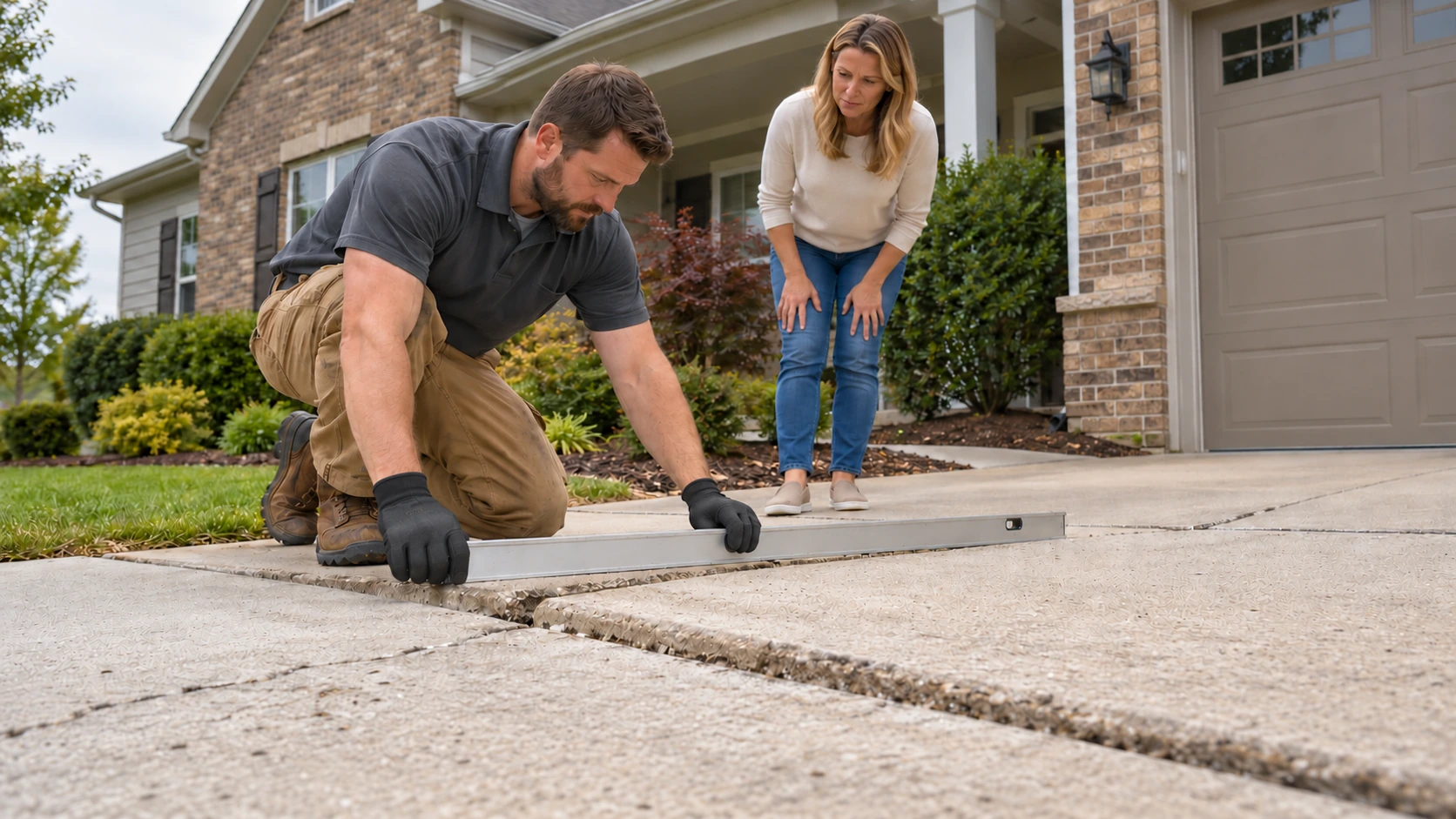
Concrete lifting can be a practical choice when a sunken slab remains in good enough condition to reuse. Replacement may be more appropriate when the concrete is severely broken, deteriorating through its depth, or unsuitable for the surface you need. The decision starts with the slab’s condition and the reason it moved.
An uneven driveway joint does not automatically mean the entire driveway needs demolition. A low price for lifting also means little if the existing concrete cannot provide a useful finished surface. You need to know what each option will correct, what will remain, and which additional work belongs in the project.
For property owners comparing repairs, the most useful question is: Can this concrete be retained while achieving the support, drainage, and finished condition the property needs?
Concrete Lifting vs. Replacement at a Glance
Lifting keeps the existing slab and raises suitable settled sections by introducing material beneath them. Replacement removes selected concrete and installs new concrete after the underlying support and project requirements have been address
| Decision factor | Concrete lifting | Concrete replacement |
|---|---|---|
| Existing slab | Retains concrete that is suitable for reuse | Removes concrete within the replacement area |
| Main purpose | Correct settlement and improve support beneath suitable slabs | Rebuild damaged sections or change the slab’s design |
| Surface appearance | Existing wear and cracks can remain; injection holes are patched | Provides a new surface within the replaced area |
| Ground access | Injection offers limited direct access beneath the slab | Removal exposes the base for inspection and correction |
| Disruption | Usually avoids extensive demolition of the treated area | Includes removal, preparation, placement, and curing |
| Cost considerations | Material quantity, access, lifting difficulty, and related repairs | Demolition, disposal, base work, concrete specifications, and finishing |
| Main limitation | Does not renew deteriorated concrete | New concrete can still develop problems if the cause is left unresolved |
Use these differences to guide an inspection, rather than treating the table as a diagnosis. A property can need lifting in one area and replacement in another.
Find Out Why the Concrete Became Uneven
A height difference shows that adjacent surfaces no longer align. It does not establish which section moved or what happened underneath it.
Supporting soil may settle after inadequate compaction. Water can carry material away and leave a void beneath the slab. Leaking plumbing, repeated loading, and changing soil conditions can also contribute to movement. Tar Heel’s assessment process considers these factors along with the visible concrete damage.
Look Beyond the Lowest Point
During the assessment, show the contractor where water collects, where downspouts discharge, and whether the unevenness has changed. Mention nearby utility work or previous repairs. Photographs taken over time can help explain the history, although they cannot reveal every condition below the concrete.
Ask the contractor to establish the intended elevations before choosing the repair. If a neighboring section has risen, raising all the surrounding concrete may create new problems at doors, steps, or drains.
Separate Slab Settlement From Foundation Movement
A sunken patio and a moving building foundation require different evaluations. If a home’s slab problems occur alongside wall movement, widening masonry cracks, or changes around door openings, a broader structural assessment may be appropriate.
Depending on the findings, residential foundation stabilization may be part of the discussion. Raising a surface slab should not be assumed to resolve movement in the structure supporting the house.
Before comparing prices, ask: “What caused this movement, and how does the proposed work address it?” A useful answer should distinguish confirmed findings from conditions that still need investigation.
How Concrete Lifting Raises a Sunken Slab
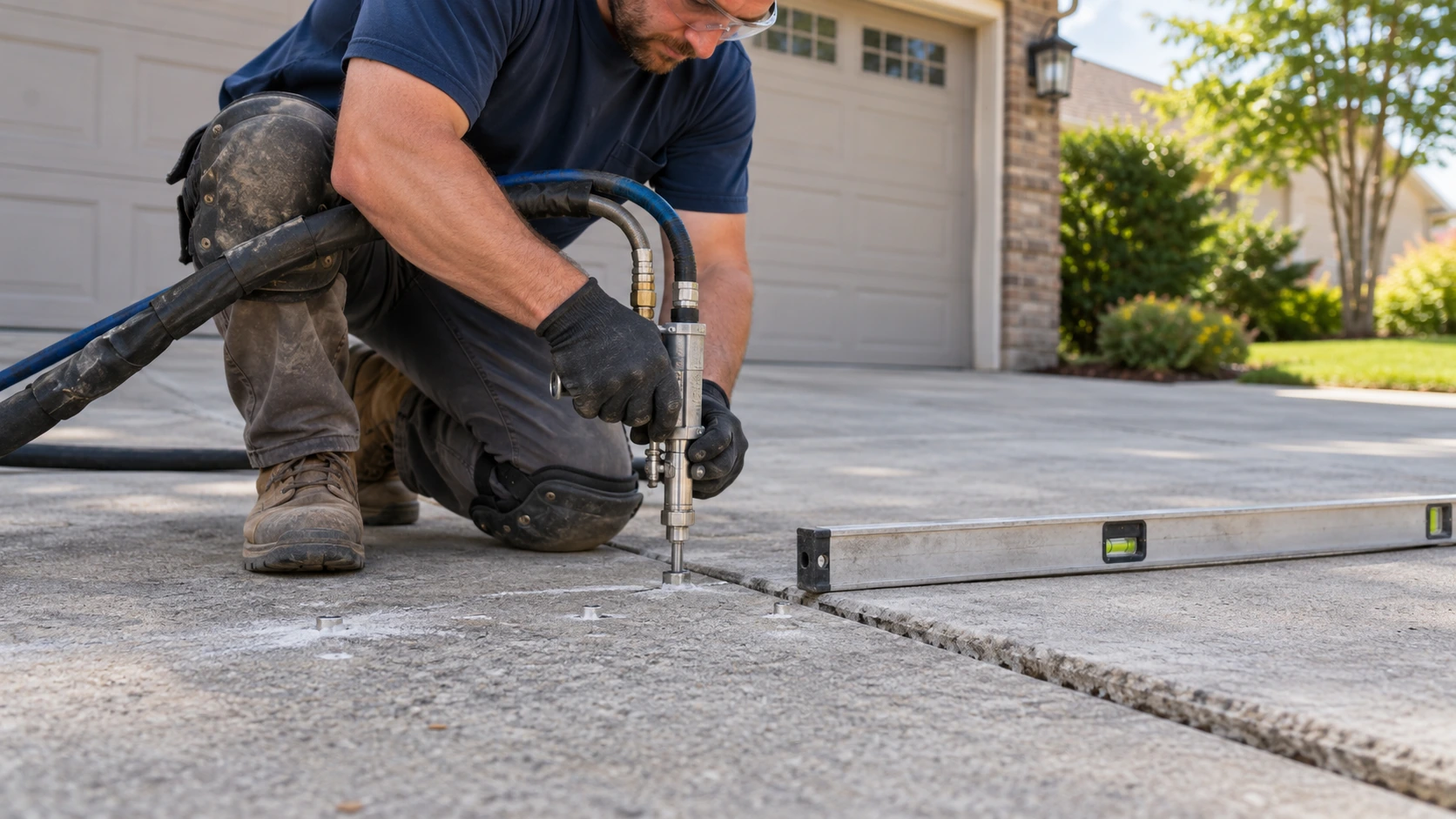
Concrete lifting, also called slab jacking, introduces material beneath existing concrete to improve support and raise a settled section. Polyurethane injection and cement-based grout methods use different materials to perform this work.
Polyurethane Foam Injection
With polyurethane lifting, a contractor drills access holes and injects a material formulated for ground and slab applications. The material expands beneath the concrete, filling treated voids and raising suitable sections. The crew monitors movement and patches the injection holes when the work is complete.
For a home project, polyurethane foam injection may be considered where the assessment identifies suitable settlement or support problems. Ask which product is proposed and why its properties suit the conditions beneath your slab.
Mudjacking and Slab Leveling
Traditional mudjacking pumps a cement-based slurry beneath the slab. Material composition, equipment, hole requirements, and setting characteristics differ from polyurethane systems. The contractor should explain the method actually included in the quote; “slab leveling” alone does not identify it.
Also clarify the intended finished slope. An outdoor surface may need a deliberate fall for drainage. A successful repair should meet the required elevations and water-flow direction, which may mean the surface is not perfectly horizontal.
Filling a Void and Raising a Slab Are Different Goals
Slab stabilization can restore support with little intentional elevation change. Slab lifting deliberately changes elevation. A Missouri Department of Transportation technical brief distinguishes these objectives and explains that injection control matters: insufficient material can leave unsupported areas, while excessive injection can cause unwanted movement or cracking.
Your proposal should state whether the goal is support restoration, lifting, or both. That distinction helps you judge the finished work.
Can Uneven Concrete Be Repaired Without Replacement?
Yes. Uneven concrete can sometimes be repaired by lifting when the slab remains suitable for reuse and the underlying conditions can be addressed. Suitability depends on more than the size of the visible height difference.
Lifting is worth evaluating when:
- The concrete remains substantially intact.
- The main concern is settlement or a poor transition between sections.
- The existing layout and surface finish still meet your needs.
- The proposed elevation can work with nearby thresholds and drainage.
- Related support or water problems have a credible repair plan.
For a home driveway, walkway, or patio, ask the contractor to identify the sections that meet these conditions and explain any limits on the result.
A Crack Does Not Automatically Rule Out Repair
Concrete cracks for different reasons, including shrinkage, restraint, settlement, and loading. The National Ready Mixed Concrete Association explains that some early cracks have little effect on structural performance, while other cracking mechanisms can lead to deterioration.
Crack width alone cannot settle the lifting-versus-replacement question. The assessment should consider the pattern, depth, movement, surrounding damage, and whether the affected sections can remain useful after repair.
At home, concrete slab repair may be relevant when crack treatment or stabilization is needed alongside elevation correction. Get the proposed crack work listed separately so you understand what the lifting price includes.
Ask to see examples of the expected finished appearance. Keeping existing concrete means accepting some existing wear, and patch material may remain visible.
When Replacement Is Worth the Extra Work
Replacement becomes more compelling when the slab itself has reached a condition that support correction cannot resolve. A contractor should explain the specific damage that makes retaining it impractical.
The Concrete Has Extensive or Deep Damage
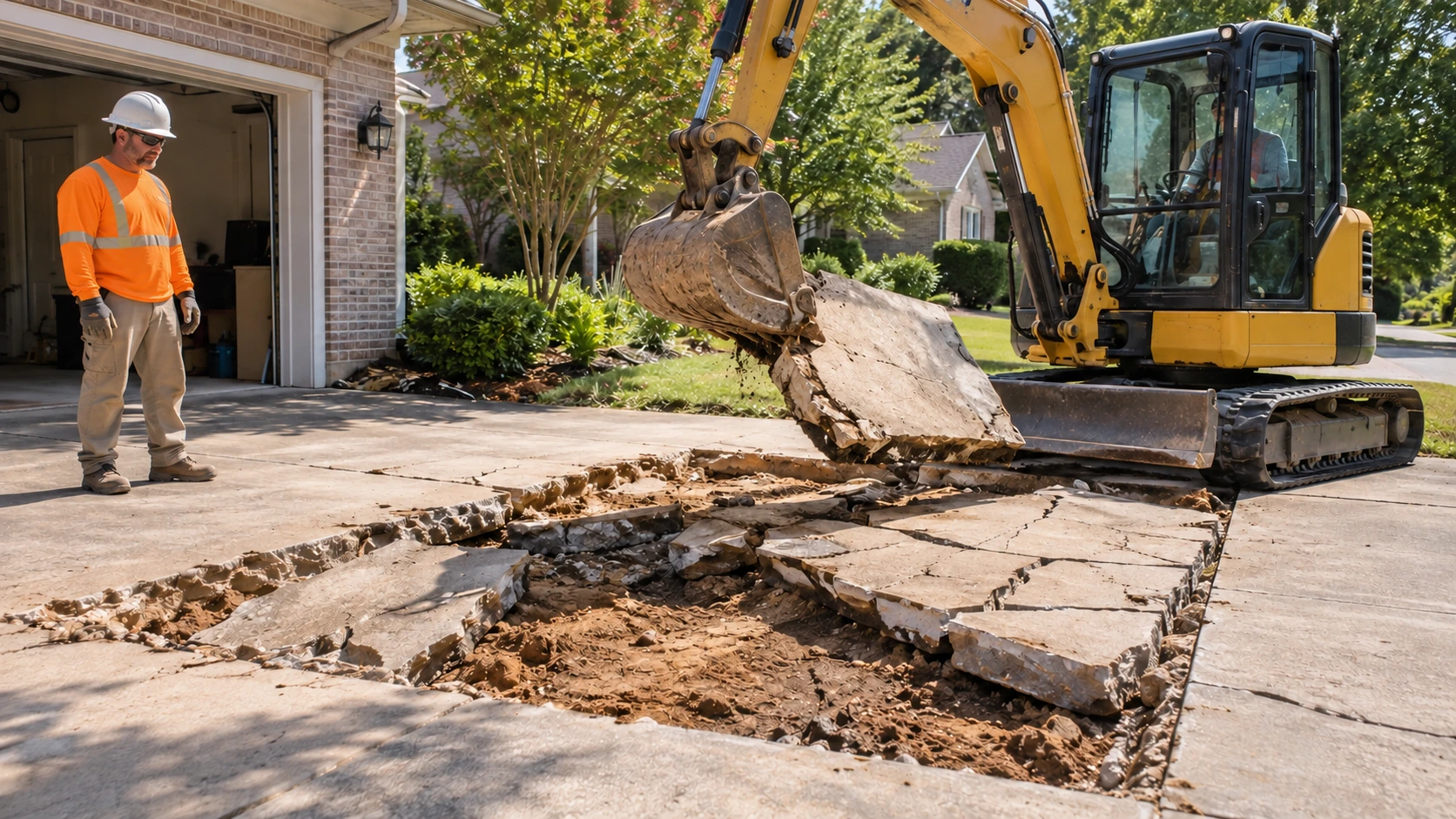
Multiple intersecting fractures, badly broken sections, and deterioration extending through the slab can favor removal and replacement. Federal Highway Administration pavement guidance identifies full-depth repair as an option for significant deterioration and stresses that repair boundaries must reach sound concrete.
That guidance concerns pavement engineering, so its project dimensions should not be applied directly to a home driveway. The useful principle is that the depth and extent of damage matter when selecting a repair.
Surface flaking deserves its own assessment. A damaged upper surface and deterioration through the slab are different conditions. Ask whether a localized surface repair is possible before assuming full replacement is necessary.
The Project Needs a Different Slab
Replacement may also make sense when your objective includes changing the layout, rebuilding a drainage slope that cannot be achieved by lifting, or providing a slab designed for different loading.
Write down those goals before requesting quotes. A proposal to reuse the existing concrete and a proposal to construct a different surface are not equivalent projects, even if both remove the visible unevenness.
Only Part of the Area May Need Replacement
Ask the contractor to mark which sections need removal and why. Selective replacement may be possible where deterioration is localized, while other sections remain serviceable. FHWA describes removing isolated areas of damaged pavement as a repair approach.
The boundaries still require planning. New and retained sections need workable joints, transitions, drainage, and support. Request a sketch that makes the proposed limits clear.
Compare the Complete Scope and Cost
Concrete lifting can cost less when it preserves usable material and avoids demolition, hauling, and new placement. That potential saving depends on the actual job. A difficult lift with extensive void filling and additional repairs may compare differently with a straightforward replacement.
There is no dependable price comparison without defining the affected area and the work included. Treat broad savings percentages cautiously unless the contractor can show how they apply to your written proposals.
What to Clarify in a Lifting Quote
Ask how the contractor prices material quantity, site access, and lifting work. Check whether the price includes injection-hole patching, crack treatment, joint work, and the cleanup you expect.
Hidden conditions can affect scope. Ask what happens if the void is larger than expected or if the slab cannot reach the proposed elevation. The agreement should explain how additional work is approved and what you would owe if the result is limited.
What to Clarify in a Replacement Quote
Look for the removal limits, disposal, base preparation, slab specifications, joints, finishing, curing, and restoration of disturbed areas. Confirm whether drainage or plumbing work is included, excluded, or handled by someone else.
If two bids use different assumptions about base repairs, they may not be offering comparable work. Ask each contractor to explain those assumptions before selecting a price.
Include the Cost of Losing Access
For a household, consider parking and access to the garage or entrance. For a business, consider deliveries, customer routes, and equipment access. These practical costs belong in your decision even when they do not appear on the contractor’s invoice.
Compare the total cost of reaching the same usable outcome. A low initial price becomes less attractive if essential finishing or corrective work must be purchased separately.
How Soon Can You Use the Concrete Again?
The time spent performing the repair and the time before normal use resumes are different parts of the schedule. Ask for both.
After Lifting
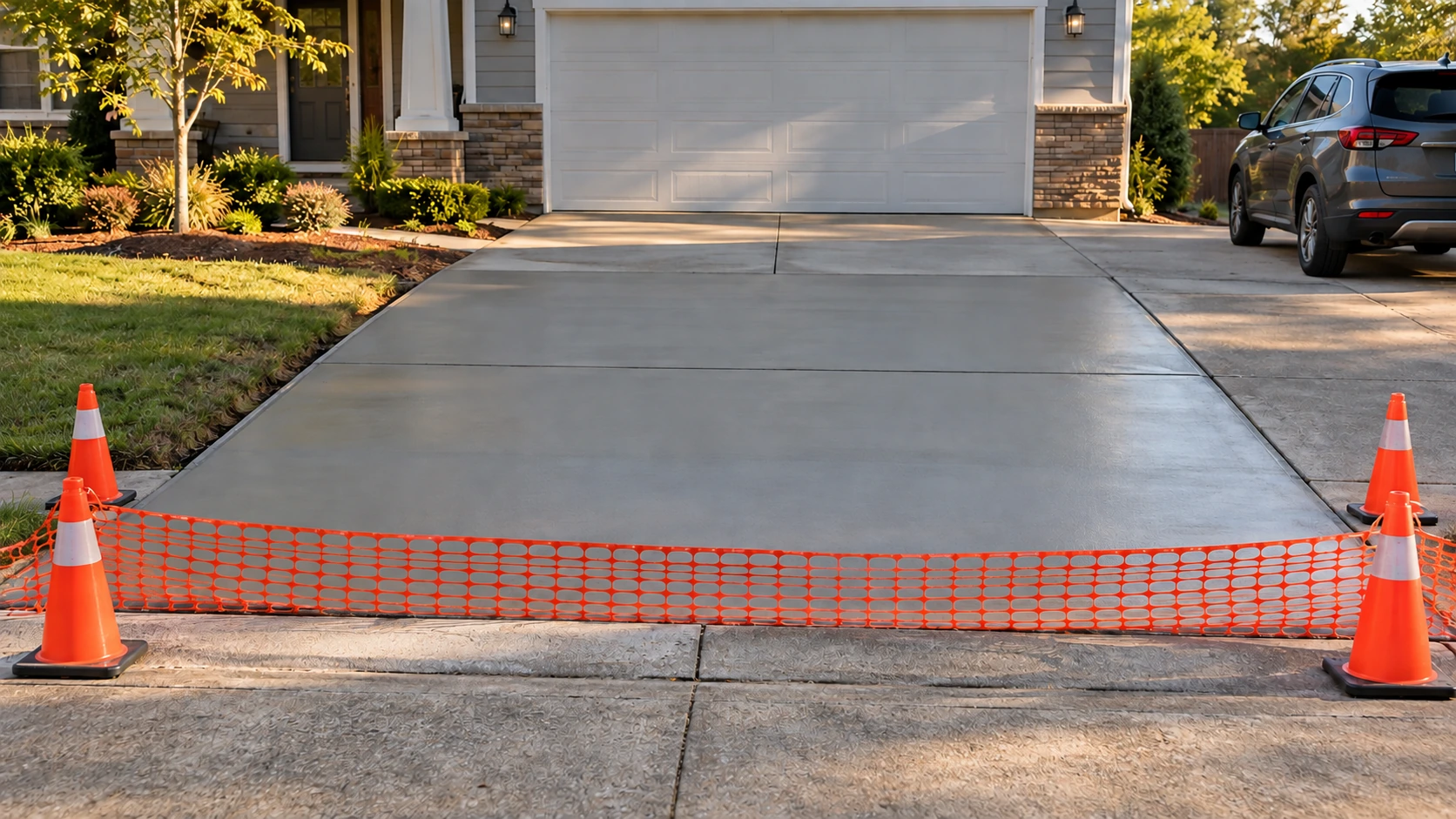
Polyurethane systems can allow a rapid return to use. However, a manufacturer’s example of quick reopening is specific to its material and application; it should not become a blanket promise for every project.
Ask when pedestrians, passenger vehicles, and heavier equipment can return. Confirm whether crack repairs, joint materials, or another part of the work creates a separate restriction. Plan access around the contractor’s instructions for the completed repair.
After Replacement
New concrete requires curing so that it can develop its intended properties. NRMCA explains that curing manages moisture and temperature during strength development. A surface that looks dry does not establish that it is ready for the intended load.
Ask the replacement contractor to specify the reopening criteria for your concrete mixture, weather conditions, and expected use. Avoid treating a general curing period as permission to drive on the slab.
For either method, put the access plan in writing before work begins. Identify where vehicles will park, which entrance remains available, and who will confirm that the repaired area can reopen.
What Makes Either Option Last?
There is no single lifespan that applies to every lifted or replaced slab. A useful lifespan discussion should connect the repair to site conditions. Ask what could cause this particular slab to move or deteriorate again and what the project does about those risks.
For Lifting, Check Support and Remaining Slab Condition
Material beneath the concrete needs to provide the intended support. The existing slab also needs enough remaining serviceability to justify keeping it. Injection does not renew the concrete’s surface or erase its repair history.
Ask how the contractor will check the finished elevation and support. DOT research on slab stabilization emphasizes both material placement and acceptance checks, illustrating why the presence of injected material alone does not prove that the repair objective was achieved.
For Replacement, Check Preparation and Construction Details
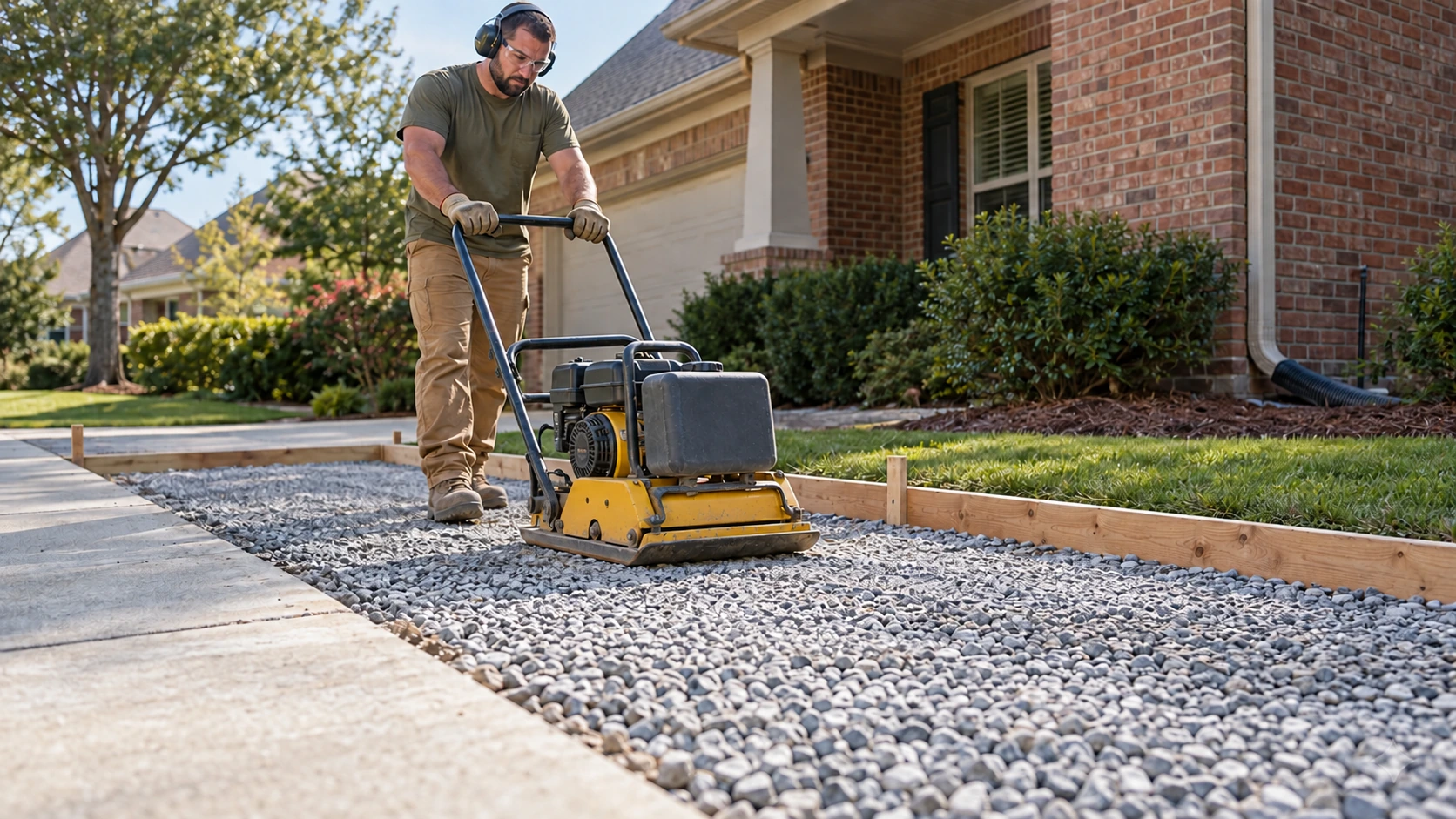
New concrete benefits from a stable, properly prepared base, suitable joints, and correct placement and curing. NRMCA identifies subgrade preparation, jointing, finishing, and curing among the factors affecting cracking.
Ask how the replacement plan changes the conditions associated with the original failure. If the proposal includes rebuilding the base or correcting drainage, request those tasks in the written scope.
Read the Warranty Alongside the Maintenance Requirements
Ask what is covered, how a covered problem is measured, and what remedy is offered. Clarify whether coverage concerns material, workmanship, movement, or a combination. Do not assume the warranty duration is a prediction of how long the repair will last.
Request practical aftercare instructions. Keep records of the work and report new movement or returning drainage problems so they can be evaluated in context.
How the Decision Changes Around Your Property
The following examples are hypothetical. They show how the comparison can change with the purpose of the surface.
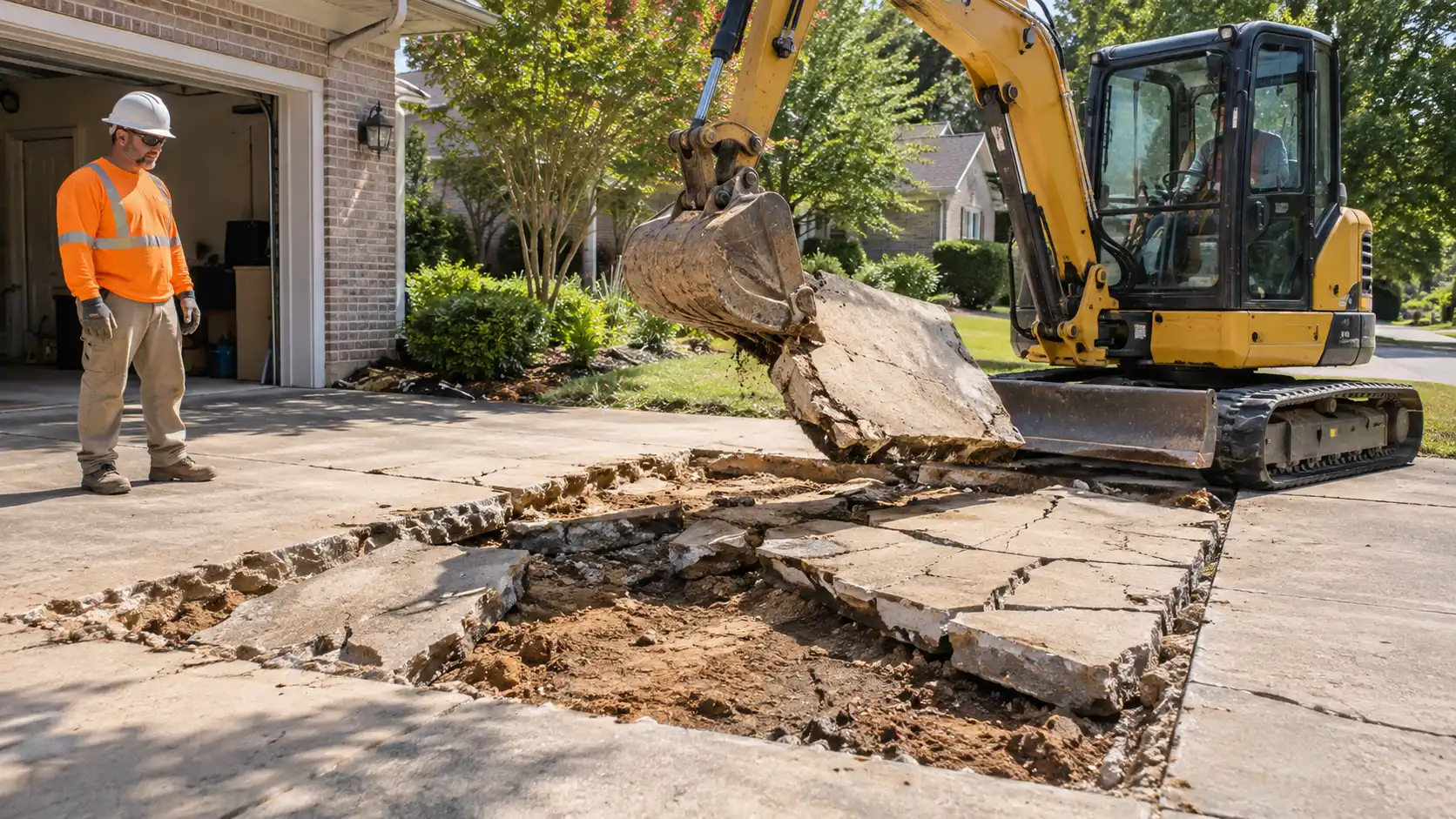
A Driveway Panel Has Settled Near the Garage
Imagine a driveway panel sitting below the garage threshold while its surface remains largely intact. Lifting may deserve evaluation, but the discussion should include the finished transition, water flow, and the condition of neighboring panels.
Ask the contractor to show where the panel is expected to finish. If a proposal changes several elevations, confirm that the driveway, garage, and walkway will still work together.
A Patio Collects Water Near the House
Imagine a patio with a low area where rain collects near the wall. The assessment should establish whether lifting can produce a workable drainage slope within the available clearances.
Ask where the water will go after the repair. If the plan requires changes to a drain or surrounding grade, include them in the comparison. Your goal is a usable patio with an agreed drainage outcome.
A Commercial Floor Has Uneven Joints
Imagine a business where carts cross an uneven joint throughout the day. The proposal needs to consider surface transitions, actual loads, access, and how work affects operations.
Tar Heel’s commercial slab lifting assessment considers concrete condition, elevation, support, loading, and operational requirements. Where damaged joints or cracks also need attention, commercial concrete slab repair may be relevant to the scope.
Give the contractor details about equipment and vehicle use. Ask who will verify that the completed surface meets the project’s loading and access requirements, including any specialist review needed for the facility.
What a Useful Assessment and Quote Should Include
Before approving either option, request an explanation that connects the observed problem, the proposed work, and the result you can expect. A marked photograph or simple plan can make the discussion easier to review.
Your assessment and quote should answer these questions:
- What moved? Identify the affected sections and the reference elevations used.
- What caused the problem? Separate confirmed findings from assumptions and further investigation.
- Why is this method suitable? Explain the condition of the retained or replaced concrete.
- What is the finished target? Describe elevation, drainage, transitions, and appearance.
- What supporting work is included? List base repairs, drainage corrections, cracks, joints, and restoration.
- What needs protection? Identify relevant pipes, drains, embedded features, and connections to adjacent structures before drilling or demolition.
- What might limit the result? Identify constraints and explain how unexpected conditions are handled.
- When can normal use resume? State the restrictions for the loads and traffic expected.
- How will completion be checked? Explain the handover criteria and warranty terms.
If both lifting and replacement remain reasonable options, ask for clearly separated scopes. That lets you decide whether retaining the surface, reducing downtime, or obtaining new concrete matters most for your property.
Bring photographs, previous repair information, and observations about when the problem changes. Those details help make the assessment specific to your situation.
Request an Assessment for Your Uneven Concrete
Tar Heel Foundation Solutions provides concrete lifting, slab repair, and related support services for residential and commercial properties in its North Carolina and South Carolina service areas.
Request an assessment to discuss the slab’s condition, the cause of movement, and whether lifting, repair, or replacement deserves consideration. Share your concerns about drainage, appearance, budget, and access so the proposed next step addresses how you use the property.