

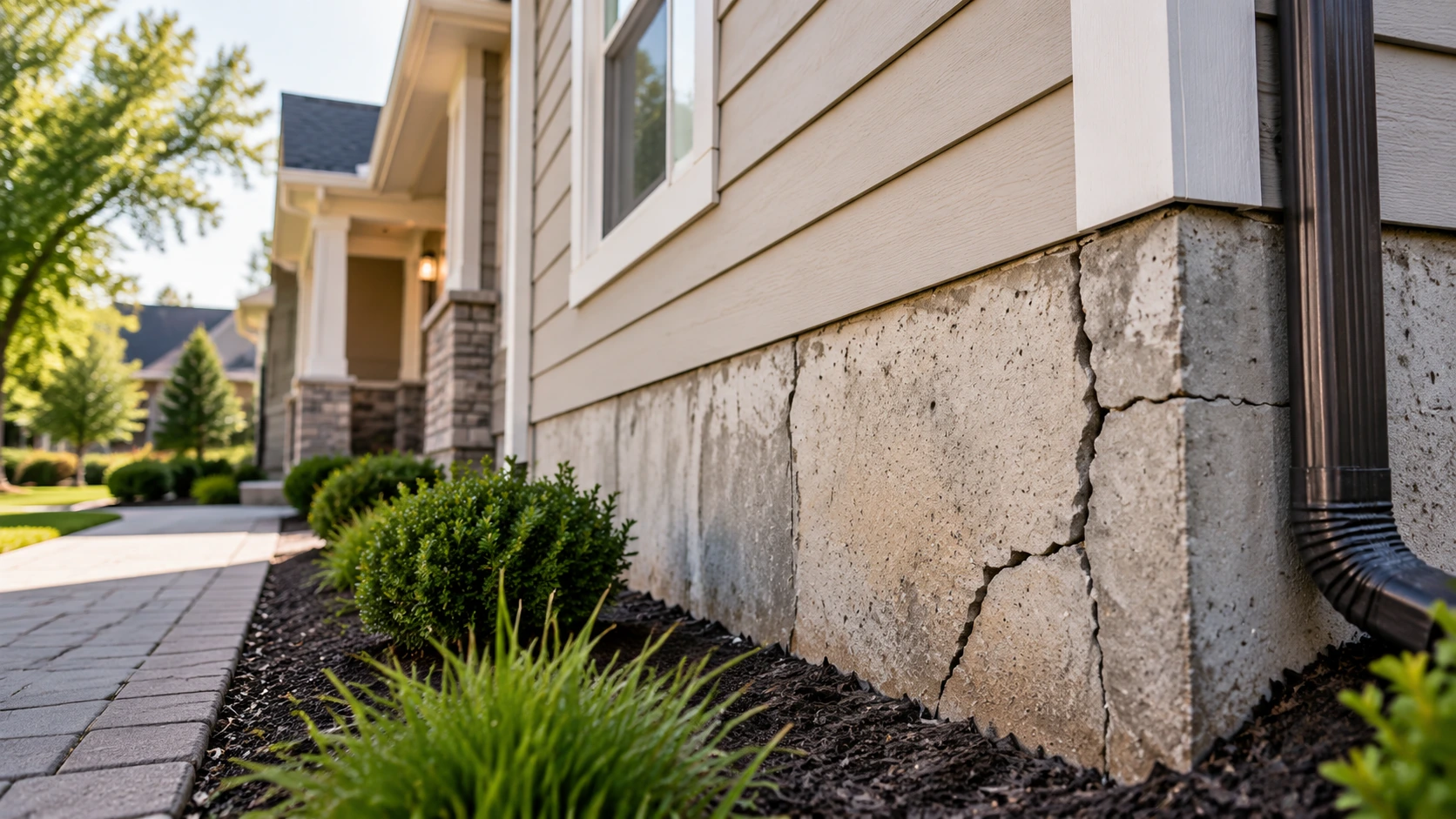
Your home’s foundation plays an important role in supporting the entire structure. Over time, changes in soil conditions, moisture levels, drainage issues, and natural settling can affect how your foundation performs.
Many foundation concerns begin with small signs that are easy to overlook, such as a new wall crack, a door that suddenly sticks, or floors that feel uneven. While some issues may be minor, other changes can indicate movement that deserves professional attention.
Knowing the common signs of foundation problems can help homeowners understand what they are seeing and determine when it may be time to schedule an inspection.
Why Recognizing Foundation Problems Early Matters
Your Foundation Supports Your Entire Home Structure
A foundation provides stability for your walls, floors, and other structural components. When movement occurs below your home, it can sometimes affect areas throughout the property.
Changes in the foundation may appear gradually, which is why homeowners may notice smaller warning signs before identifying a larger issue.
Small Changes Can Indicate Structural Movement
Foundation concerns do not always begin with major visible damage. Some homeowners first notice:
- Small cracks forming around windows or doors
- Floors becoming uneven
- Gaps appearing between walls and trim
- Doors or windows becoming harder to operate
These changes can have different causes, but they may be worth evaluating when they continue to develop.
Not Every Crack Means Major Foundation Damage
Cracks are one of the most common concerns homeowners notice, but not every crack indicates a serious foundation issue.
The location, size, pattern, and progression of a crack can help determine whether it is related to normal settling, moisture changes, or possible structural movement.
A professional foundation inspection can help identify the possible cause and determine whether repairs are needed.
15 Common Signs of Foundation Problems
1. Cracks in Interior Walls
Wall cracks are one of the most noticeable signs homeowners discover. While small cosmetic cracks can occur naturally, certain patterns may indicate movement within the structure.
Pay attention to:
- Stair-step cracks
- Cracks spreading from door or window corners
- Cracks that continue growing over time
- Separation between walls and ceilings
If cracks appear alongside other structural changes, a foundation evaluation may provide more information.
2. Cracks in Exterior Brick or Foundation Walls
Exterior cracks can provide clues about how your home is moving. Brick walls, concrete blocks, and foundation walls may develop cracks caused by soil pressure, settlement, or moisture-related changes.
Some exterior cracking may require closer evaluation, especially when cracks:
- Become wider over time
- Follow a stair-step pattern
- Appear along foundation walls
- Create visible separation
3. Uneven or Sloping Floors
Floors that feel uneven may be connected to changes below the surface. Foundation movement, settling, or support issues can sometimes affect the way floors sit within the home.
Homeowners may notice:
- Furniture appearing tilted
- Floors that slope in certain areas
- Soft or uneven spots
- Changes that become more noticeable over time
For uneven concrete surfaces, homeowners may also need to evaluate options such as concrete lifting and leveling.
4. Doors That Stick or No Longer Close Properly
Doors that suddenly become difficult to open or close can sometimes indicate changes in the home’s framing.
Foundation movement may affect alignment, causing:
- Doors rubbing against frames
- Gaps around doors
- Doors that no longer latch properly
A single sticking door may have another cause, but multiple doors showing similar issues may deserve attention.
5. Windows Becoming Difficult to Open
Windows can also be affected when structural movement changes the alignment of surrounding walls.
Warning signs include:
- Windows that suddenly become difficult to operate
- Frames that appear uneven
- Visible gaps around window edges
6. Gaps Around Doors, Windows, or Trim
Separation between building materials may occur when parts of a home shift differently.
Look for:
- Gaps between walls and trim
- Spaces around window frames
- Separation between ceilings and walls
These changes can help professionals understand how movement may be affecting the structure.
7. Basement Wall Cracks
Basement walls are exposed to pressure from surrounding soil and moisture conditions. Cracks may develop for different reasons, including settlement or soil movement.
Common basement wall concerns include:
- Vertical cracks
- Horizontal cracks
- Stair-step cracks
- Moisture entering through damaged areas
For basement foundation issues, homeowners may benefit from evaluating professional basement and garage foundation services.
8. Chimney Leaning or Separating From the Home
Because chimneys often have their own foundation support, they can sometimes reveal movement before other areas become obvious.
Signs may include:
- A chimney leaning away from the home
- Gaps between the chimney and exterior wall
- Visible cracks around the chimney area
9. Water Intrusion Around Foundation Areas
Moisture around your foundation can contribute to long-term concerns.
Potential warning signs include:
- Water entering basement areas
- Damp crawl spaces
- Moisture stains
- Pooling water near foundation walls
Proper drainage and moisture control can help protect foundation areas.
10. Gaps Between Walls and Floors
Visible separation between walls and floors may indicate movement affecting the structure.
Homeowners should pay attention when gaps:
- Continue increasing
- Appear in multiple areas
- Occur with other foundation warning signs
11. Foundation Settlement Signs
Foundation settlement occurs when parts of a structure move downward due to changing soil conditions or other factors.
Possible signs include:
- Uneven floors
- Cracks throughout the home
- Doors and windows shifting
- Visible foundation changes
Foundation stabilization services may be considered when movement affects structural stability.
12. Bowing or Cracking Basement Walls
Basement walls may experience pressure from surrounding soil, especially when drainage conditions change.
Signs may include:
- Walls bending inward
- Horizontal cracks
- Increasing wall movement
Solutions such as earth anchor systems may be used for certain wall stabilization situations.
13. Crawl Space Issues
Problems in crawl spaces can affect the structure above them.
Common warning signs include:
- Moisture buildup
- Damaged supports
- Floor movement
- Poor ventilation
Professional crawl space repair and moisture control services can address structural and environmental concerns.
14. Sagging Floors or Structural Movement
Sagging floors may be related to support problems beneath the home.
Possible causes include:
- Damaged support systems
- Crawl space concerns
- Foundation movement
A structural evaluation can help determine the source of the problem.
15. Visible Foundation Movement
Visible movement around your foundation should be evaluated carefully.
Signs may include:
- Shifting foundation walls
- Large cracks
- Separation between structural components
- Changes that continue over time
Foundation repair professionals can inspect the property and help identify possible solutions.
Common Causes of Foundation Problems
Understanding what causes foundation problems can help homeowners recognize why certain warning signs appear. Foundation issues often develop because of changes affecting the soil, moisture conditions, or structural support beneath the home.
Identifying the underlying cause is an important step before choosing a repair approach.
Soil Movement and Settlement
Soil plays a major role in supporting your home’s foundation. When soil conditions change, the foundation above it may experience movement.
Common soil-related causes include:
- Soil shrinking during dry conditions
- Soil expanding after heavy moisture
- Uneven soil compaction
- Natural settling over time
When different areas of soil support the home unevenly, parts of the foundation may move at different rates.
Poor Drainage Around the Home
Water management around your property can have a significant impact on foundation conditions.
When water collects near foundation walls, it may increase pressure against the structure and contribute to moisture-related problems.
Common drainage concerns include:
- Gutters directing water toward the foundation
- Poor grading around the home
- Standing water near foundation walls
- Improper drainage systems
Maintaining proper water flow away from your home can help reduce unnecessary stress on foundation areas.
Expanding and Contracting Soil Conditions
Many foundation concerns are related to natural soil changes throughout the year.
During dry periods, certain soils can shrink and create spaces beneath portions of the foundation. During wet periods, those soils may expand and place additional pressure against foundation structures.
These repeated changes can contribute to:
- Foundation movement
- Wall cracking
- Uneven settling
A professional inspection can help determine whether soil conditions may be affecting your property.
Water Damage and Moisture Problems
Excess moisture can create conditions that affect foundations, crawl spaces, and structural components.
Possible moisture-related concerns include:
- Foundation wall deterioration
- Crawl space humidity
- Water intrusion
- Damaged support areas
Homeowners experiencing crawl space moisture concerns may need solutions such as crawl space moisture control to help protect the area beneath the home.
Foundation Problems vs. Normal Home Settling
Many homes experience some level of settling over time. Minor changes do not always mean there is a serious foundation concern.
However, homeowners should pay attention when changes:
- Continue getting worse
- Appear in multiple areas
- Affect doors, windows, or floors
- Create visible structural separation
A professional evaluation can help distinguish between normal settling and possible foundation movement.
What Happens During a Foundation Inspection?
A foundation inspection helps identify visible concerns, possible causes, and available repair options.
Visual Structural Assessment
During an inspection, professionals may examine:
- Interior and exterior cracks
- Foundation walls
- Floors and support areas
- Crawl spaces or basement areas
- Signs of movement
The goal is to understand what changes are occurring and where they may be coming from.
Identifying Possible Causes
A foundation concern may have multiple contributing factors, including:
- Soil conditions
- Drainage issues
- Moisture problems
- Structural support concerns
Understanding the cause helps determine the appropriate next steps.
Reviewing Repair Options
Depending on the findings, repair recommendations may involve different solutions.
Possible approaches may include:
- Foundation stabilization
- Structural repairs
- Concrete repair
- Crawl space improvements
For homeowners experiencing foundation movement or settlement concerns, foundation stabilization services can help address structural support issues.
Can Foundation Problems Be Repaired?
In many cases, foundation problems can be addressed with the right evaluation and repair approach.
The appropriate solution depends on factors such as:
- Type of foundation
- Cause of movement
- Extent of damage
- Condition of surrounding soil
Common foundation-related services include:
- Foundation repair
- Structural repair
- Concrete repair
- Crawl space repair
- Foundation stabilization
Homeowners can review available foundation repair services to understand possible solutions for foundation movement, settlement, and related structural concerns.
When Should Homeowners Schedule a Foundation Inspection?
Consider scheduling a professional evaluation when you notice:
- New or growing cracks
- Uneven floors
- Doors or windows becoming difficult to operate
- Foundation wall movement
- Water intrusion near foundation areas
- Changes that continue over time
Early inspection allows homeowners to better understand the condition of their property and determine whether repairs or monitoring may be appropriate.
Protect Your Home With Professional Foundation Support
Recognizing the signs of foundation problems can help homeowners make informed decisions about protecting their property.
Cracks, uneven floors, moisture concerns, and structural changes may have different causes, so a professional assessment is the best way to understand what is happening.
Tar Heel Foundation Solutions provides foundation-related services designed to help homeowners address structural concerns, concrete issues, crawl space problems, and foundation support needs.
Schedule a foundation inspection today to understand your home’s condition and explore possible solutions.