Commercial Polyurethane Foam Injection in Fort Mill, SC

Commercial slabs depend on consistent soil support. Erosion, poor compaction, washouts, and hidden voids can cause settlement, cracking, movement, and drainage problems.

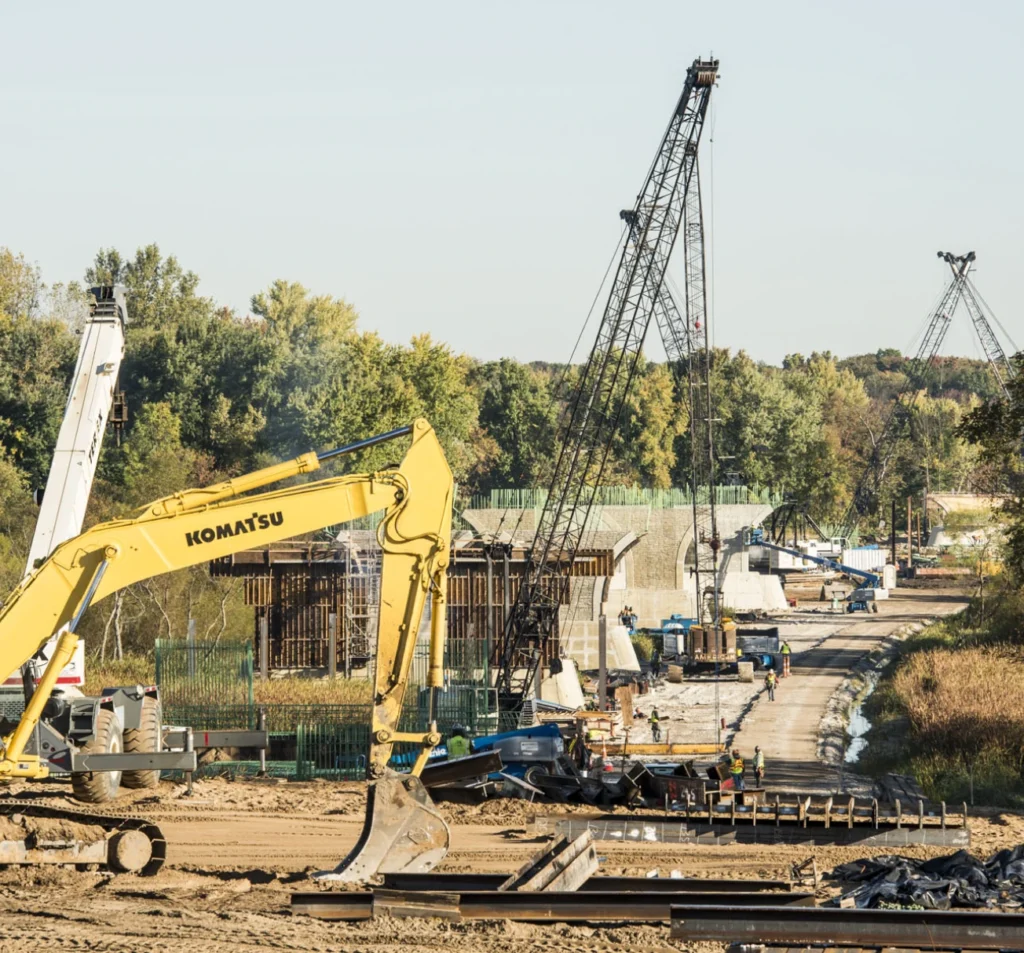
Tar Heel provides commercial polyurethane foam injection in Fort Mill, SC, including Soil Densification, Soil Stabilization, Underground Void Filling, Slab Stabilization, Concrete Washout Repair, Bridge Approach Stabilization, and Infrastructure Void Filling.

Contact form

Full Name(Required)

Get a Free Foundation & Crawl Space Estimate

Concerned about foundation cracks, settling, uneven floors, crawl space moisture, or other structural problems? Tar Heel Foundation Solutions provides professional foundation repair, crawl space repair, moisture mitigation, and concrete leveling services to help protect your home and restore its stability. Our experienced team will inspect your property, identify the cause of the problem, and recommend a practical solution tailored to your needs. Contact us today to schedule your free inspection and estimate.

Commercial Foam Injection Solutions Built Around Your Property

Sunken concrete, hollow slab areas, recurring settlement, and soil depressions may indicate loose supporting material or underground voids.

Tar Heel evaluates concrete, soil, drainage, loads, access, and operations before recommending treatment designed to restore support with minimal disruption.

Restore Support Beneath Commercial Concrete and Soil

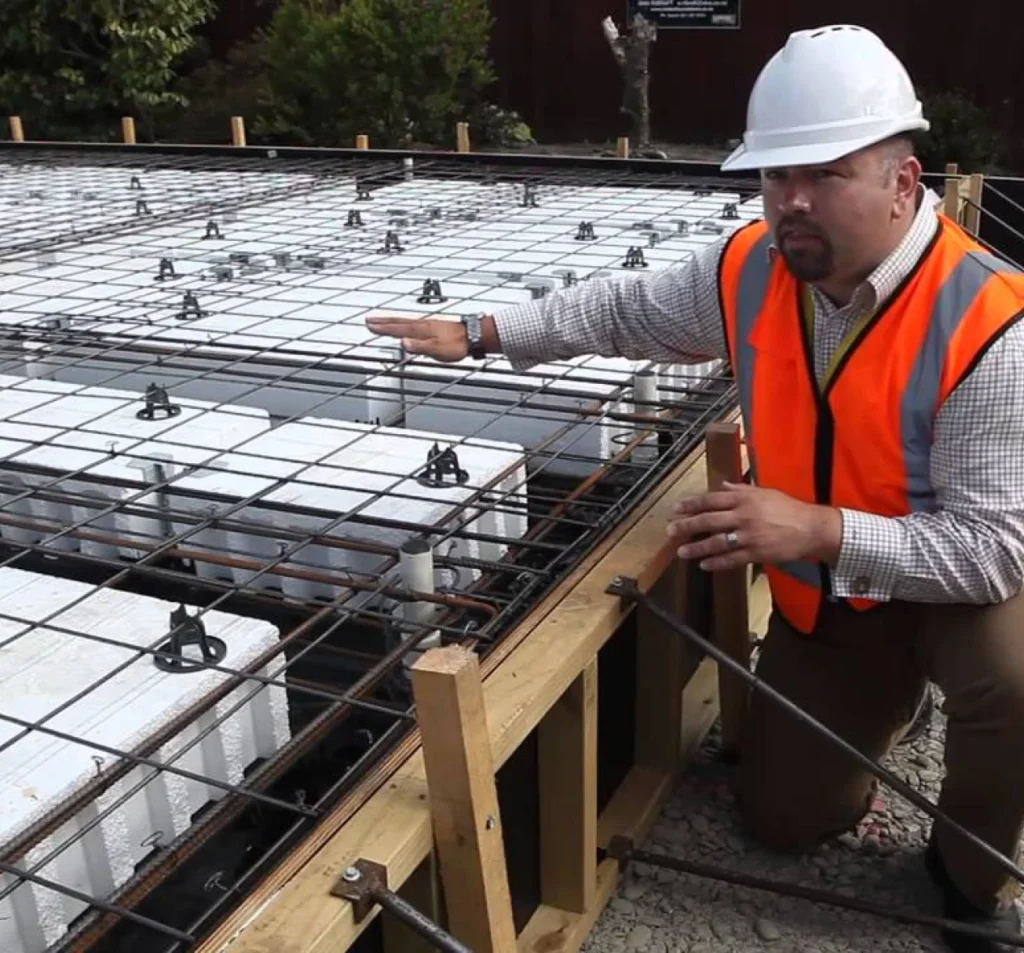
Commercial slabs rely on compacted soil and stable base materials. Erosion, poor backfilling, and repeated loading can remove support and cause settlement.

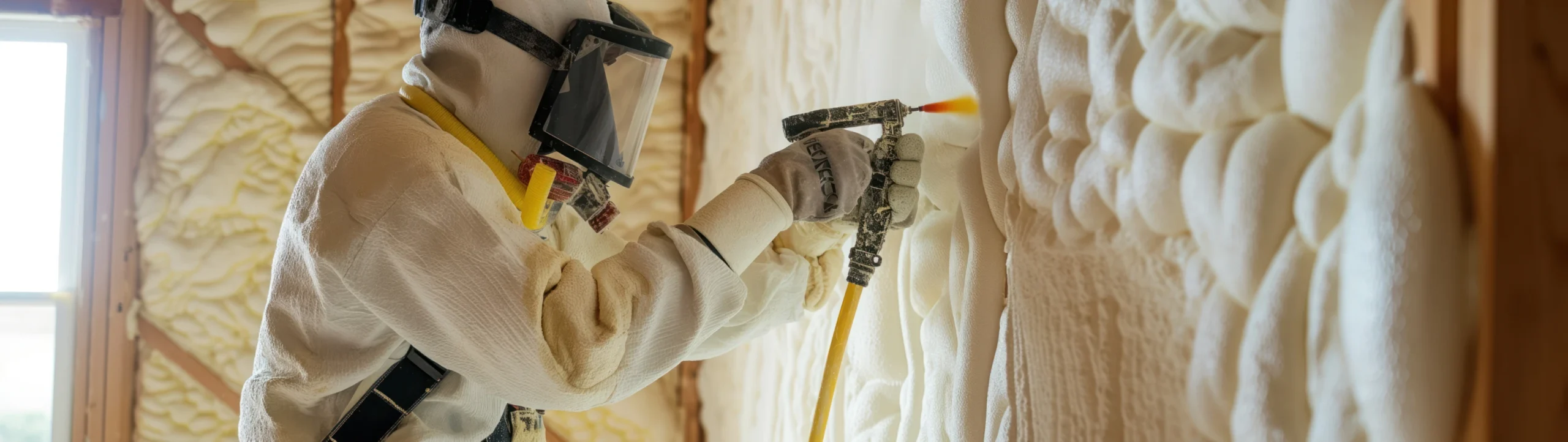
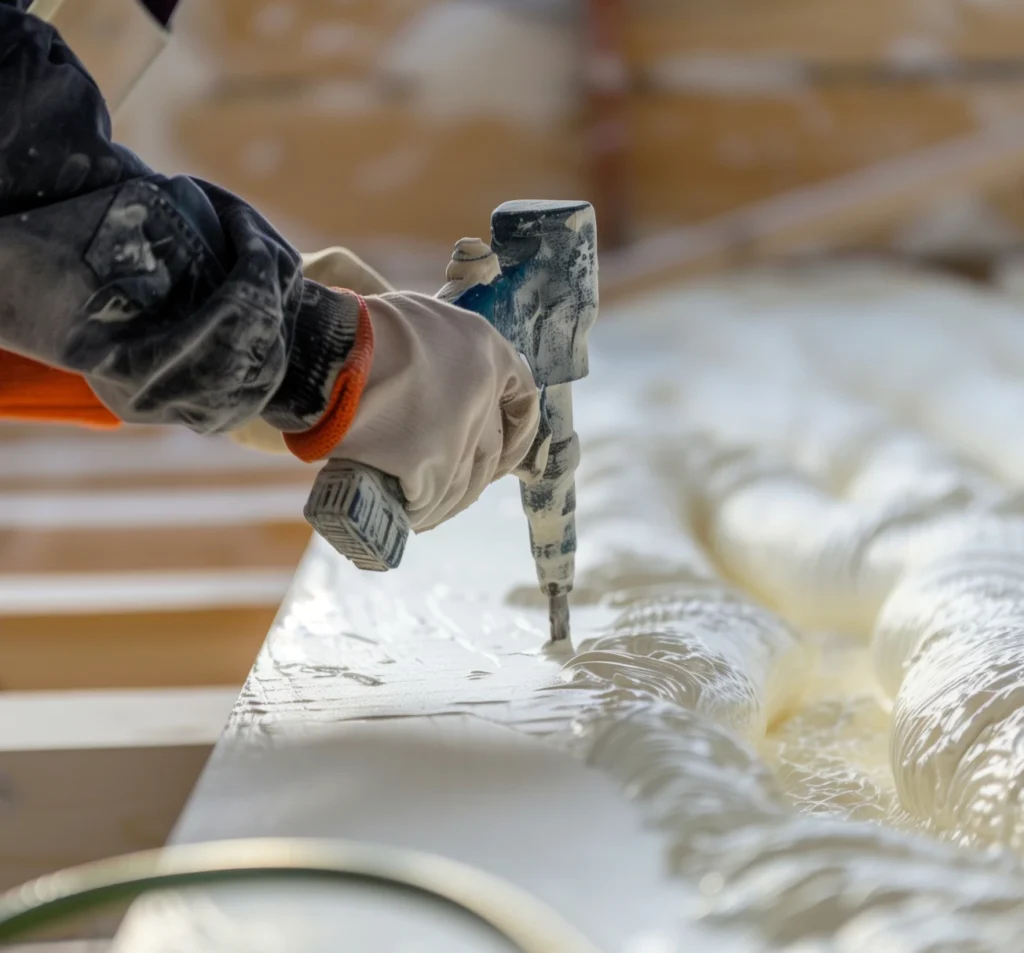
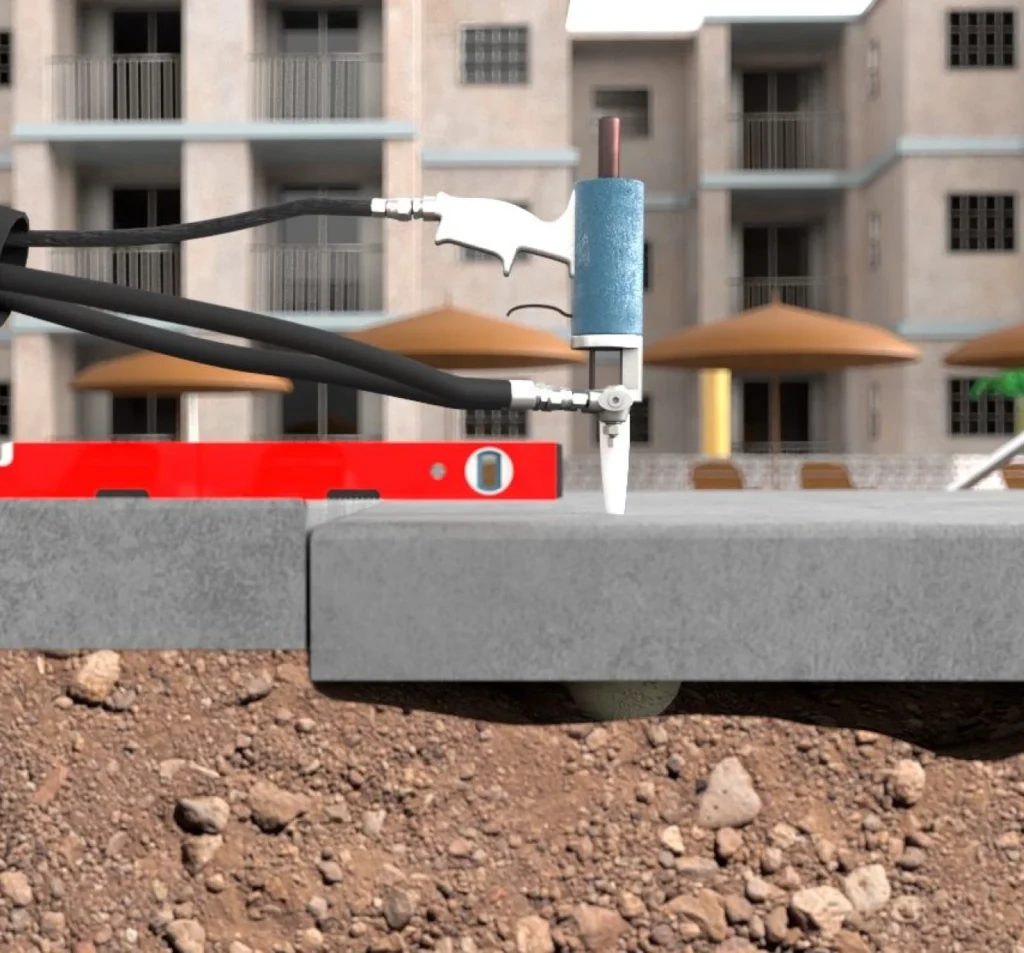
Polyurethane foam expands within targeted areas to fill voids, densify loose material, and support suitable commercial surfaces.

Complete Commercial Polyurethane Foam Injection in Fort Mill, SC

Underground problems may remain hidden. Small depressions or recurring settlement can indicate larger washouts or weak soil.

Tar Heel provides commercial polyurethane foam injection in Fort Mill, SC for warehouses, loading areas, parking surfaces, bridge approaches, equipment pads, and infrastructure applications.

Soil Densification

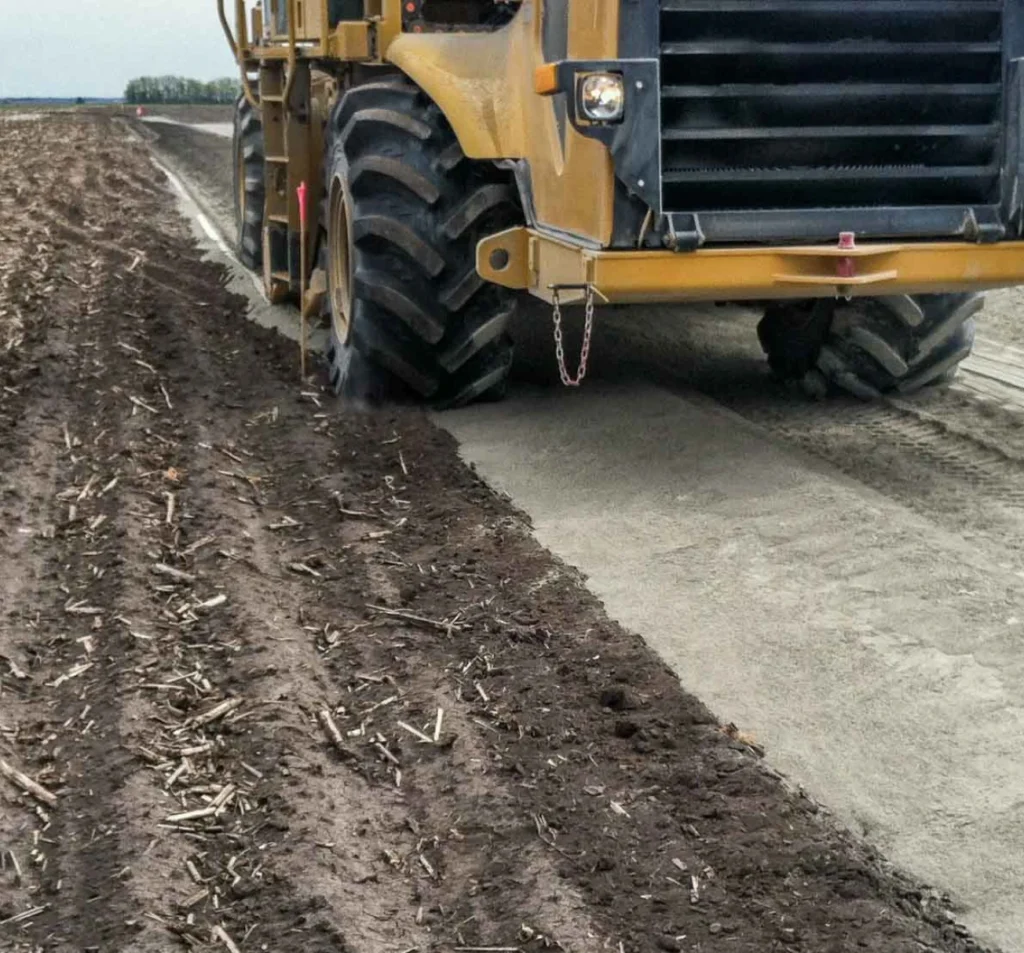
Loose soil may not reliably support slabs, foundations, road approaches, or equipment areas.

Tar Heel provides Soil Densification in Fort Mill, SC by injecting expanding polyurethane into targeted zones to compact loose material and improve surrounding support.

Soil Stabilization

Soil may become unstable because of erosion, changing moisture, utility work, poor compaction, or repeated structural loading.

Tar Heel provides Soil Stabilization in Fort Mill, SC based on soil behavior, drainage, loads, access, and property use.

Underground Void Filling

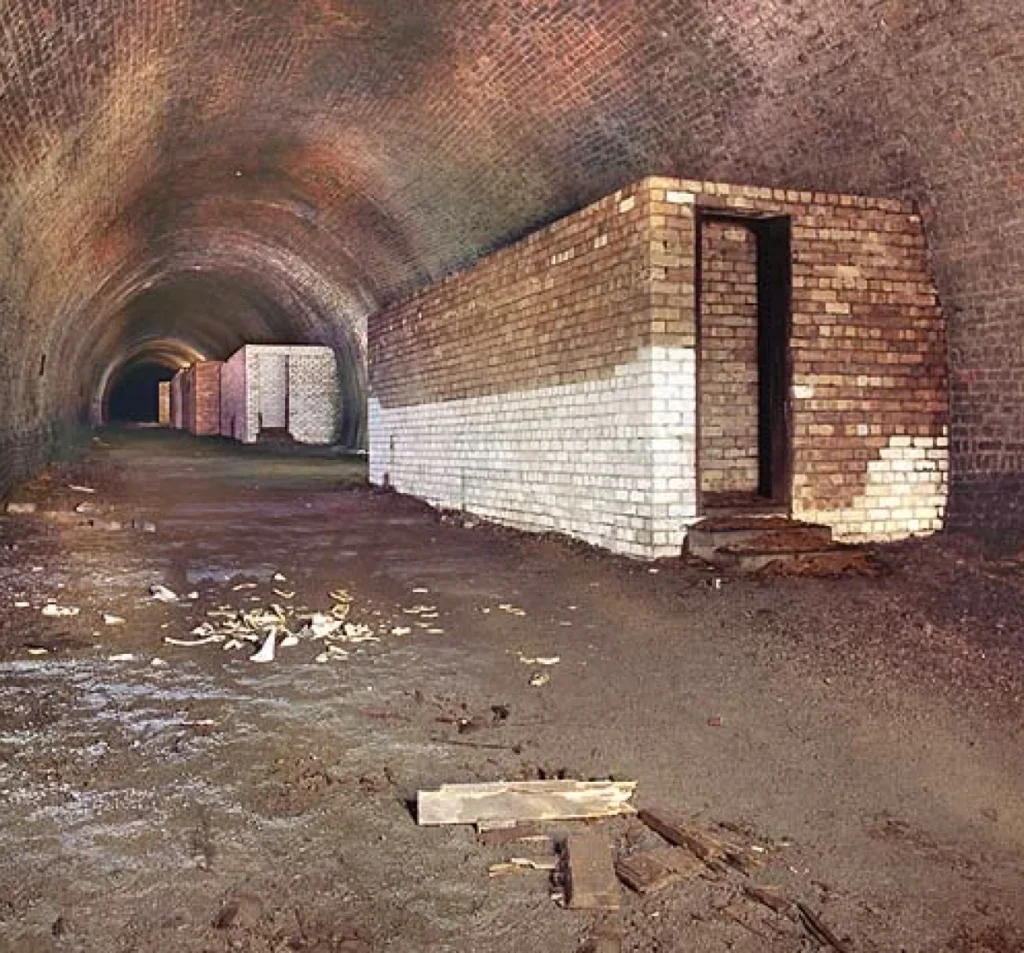
Underground voids may form because of erosion, leaks, failed drainage, poor backfilling, washouts, or deteriorated buried materials.

Tar Heel provides Underground Void Filling in Fort Mill, SC beneath slabs, roads, loading areas, pads, and other commercial surfaces.

Slab Stabilization

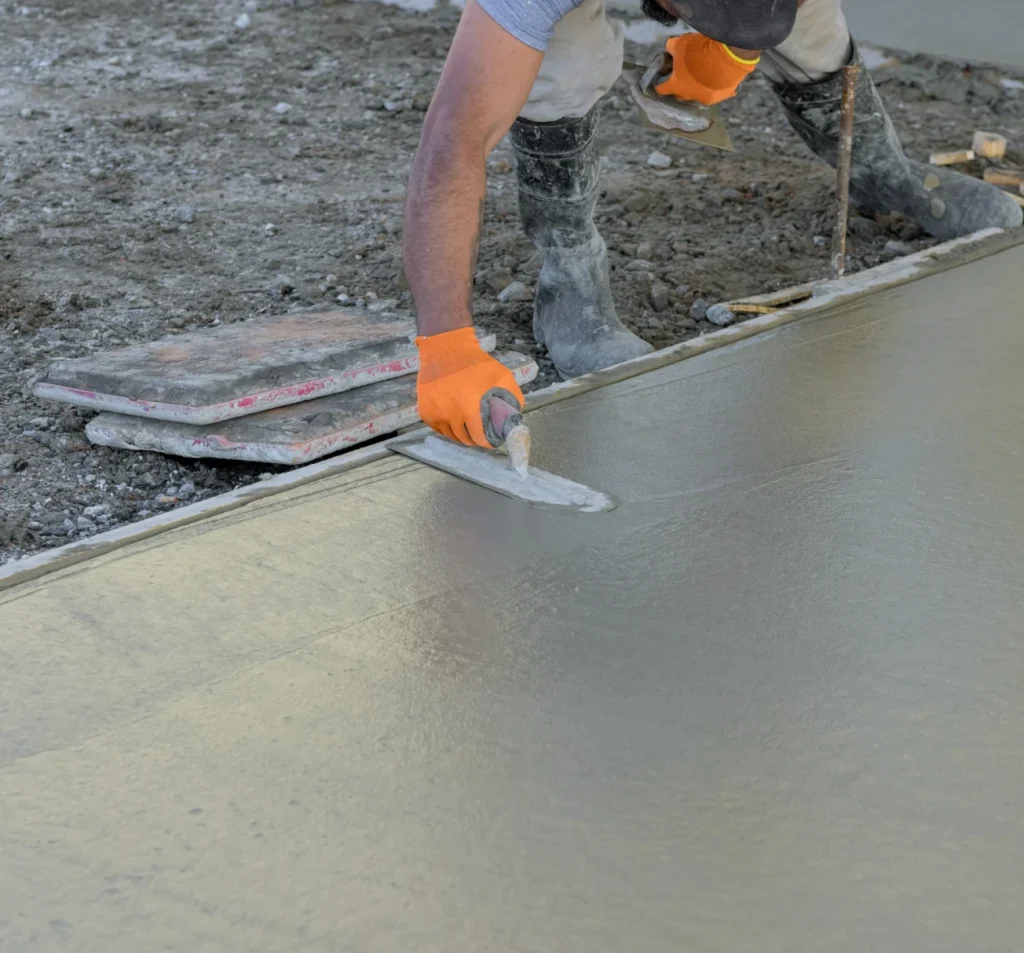
Commercial slabs may move when supporting soil becomes loose, washed out, or unable to carry operational loads.

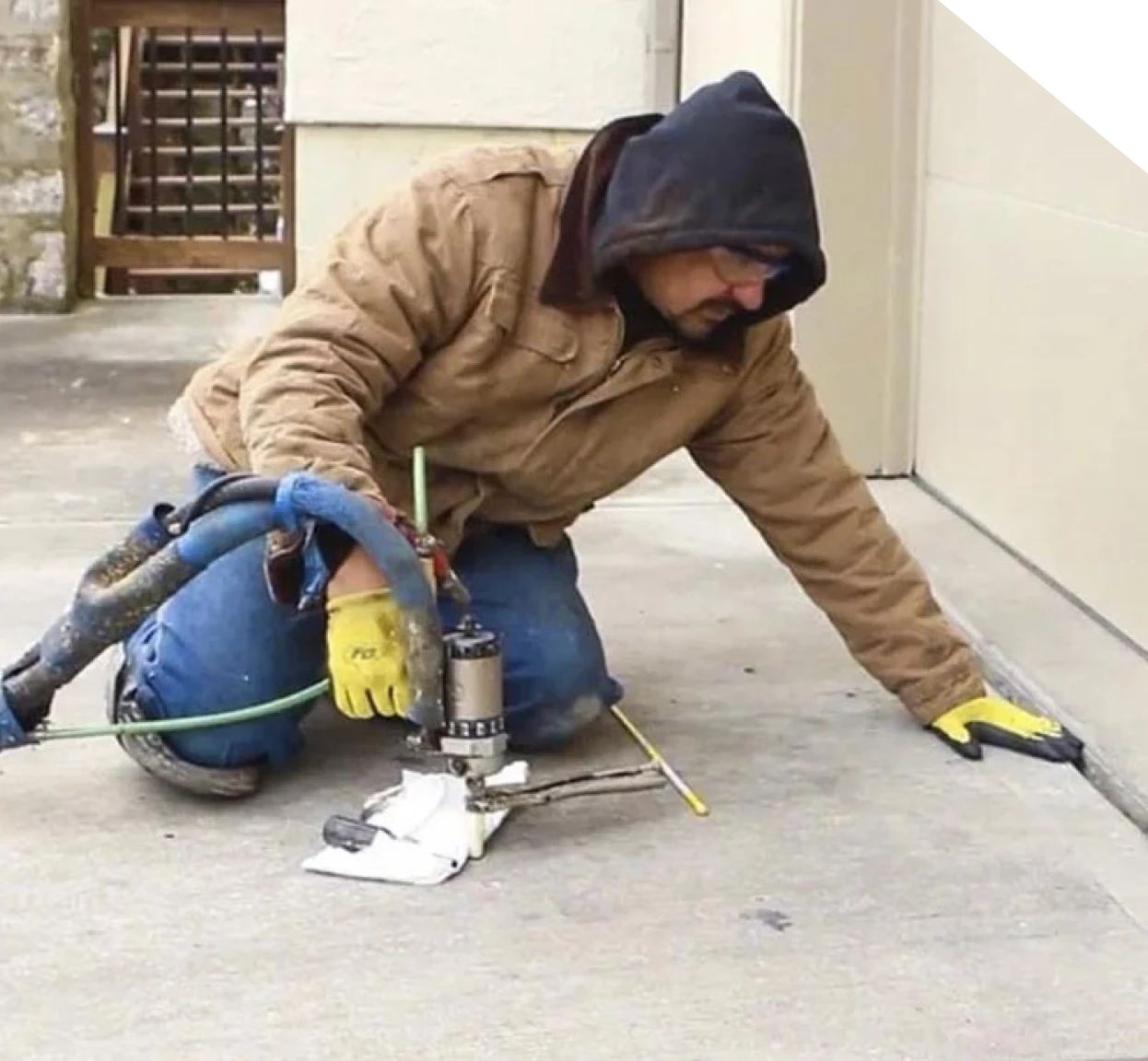
Tar Heel provides Slab Stabilization in Fort Mill, SC by filling unsupported areas and improving contact beneath warehouse floors, sidewalks, parking surfaces, and equipment pads.

Concrete Washout Repair

Water movement can wash soil and base material from beneath commercial concrete, leaving hollow or unsupported sections.

Tar Heel provides Concrete Washout Repair in Fort Mill, SC using void filling, soil stabilization, slab support, and related drainage recommendations.

Bridge Approach Stabilization

Bridge approaches may settle where pavement and base materials meet the bridge structure. Erosion, traffic, and underground voids can create uneven transitions.

Tar Heel provides Bridge Approach Stabilization in Fort Mill, SC based on settlement, loads, access, and structural requirements.

Infrastructure Void Filling

Voids may develop beneath roads, sidewalks, culverts, utility areas, and bridge approaches.

Tar Heel provides Infrastructure Void Filling in Fort Mill, SC using targeted foam injection to improve support while reducing extensive excavation.

Why Timely Commercial Foam Injection Matters

Minor settlement may worsen as erosion, water movement, and loading continue.

Restore Slab Support

Polyurethane foam can fill unsupported areas and improve contact between suitable concrete and the underlying base.

Reduce Continued Settlement

Treating voids and loose soil may reduce movement caused by washouts, erosion, poor compaction, or weak support.

Stabilize Commercial Soil

Soil densification and stabilization can improve support around slabs, equipment areas, foundations, and infrastructure surfaces.

Limit Property Disruption

Targeted injection points may require less removal and excavation than traditional repair or concrete replacement.

Support Heavy-Use Areas

Improved support helps commercial surfaces handle vehicles, equipment, inventory, and repeated traffic.

Protect Connected Systems

Soil movement may affect walls, drains, utilities, loading systems, equipment, and nearby concrete.

Protect Property Value

Stable concrete and soil support property safety, function, appearance, marketability, and long-term value.

Commercial Polyurethane Foam Injection Experience You Can Trust

Every commercial property differs in soil, drainage, slab thickness, loads, utilities, and access.

Tar Heel evaluates settlement, voids, water movement, structures, and operations before recommending commercial polyurethane foam injection in Fort Mill, SC.

Our Commercial Foam Injection Approach

Common Commercial Soil and Void Problems We Address

Hollow Commercial Slabs

Concrete may sound hollow when erosion or soil loss creates unsupported spaces.

Recurring Slab Settlement

Concrete may continue sinking when previous repairs leave weak soil or underground voids untreated.

Underground Washouts

Runoff, failed drainage, leaks, groundwater, and damaged utility systems can carry soil away beneath commercial areas.

Loose Supporting Soil

Disturbed or poorly compacted soil may not support slabs, roads, pads, and equipment areas.

Loading Area Settlement

Heavy traffic, repeated loads, water movement, and weak soil can affect loading zones and surrounding concrete.

Infrastructure Depressions

Low areas near roads, bridge approaches, walkways, and utilities may indicate soil loss or hidden voids.

OUR PROCESS

Our Commercial Polyurethane Foam Injection Process

Step 01

Describe the Problem

Tell Tar Heel about sunken concrete, hollow areas, washouts, soil depressions, or recurring settlement.

Schedule a Commercial Inspection

Our team visits your Fort Mill, SC property and evaluates the concrete, soil, access, and operations.


Step 02
Step 03

Evaluate the Conditions

We review settlement, elevations, cracks, drainage, soil behavior, loads, washouts, and possible underground voids.

Identify the Cause

We determine whether erosion, poor compaction, water movement, soil loss, or another condition caused the problem.


Step 04
Step 05

Review Injection Options

You receive a clear explanation of our findings and the recommended commercial polyurethane foam injection solution.

Approve the Treatment Plan

We confirm treatment areas, injection locations, materials, access, surface protection, schedule, and operational considerations.


Step 06
Step 07

Complete the Foam Injection

Our team injects polyurethane foam to fill voids, densify soil, stabilize support, or reinforce suitable slabs.

Complete a Final Review

We inspect the treated areas and review completed work with the property representative.

Step 08

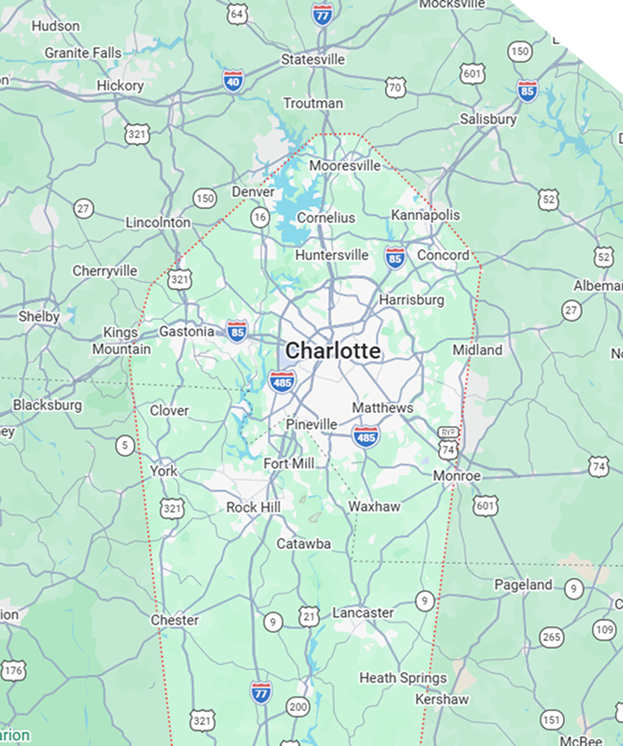
Proudly Serving Fort Mill, SC and Surrounding Communities

Tar Heel provides commercial polyurethane foam injection throughout Fort Mill, SC and nearby communities across South Carolina and North Carolina. Service areas include Rock Hill, Fort Mill, Tega Cay, Lake Wylie, York, Clover, Gastonia, Mount Holly, Belmont, Bessemer City, Cherryville, Dallas, Cramerton, Stanley, Lowell, Ranlo, Charlotte, Huntersville, Cornelius, Matthews, Mint Hill, Davidson, Pineville, Monroe, Indian Trail, Waxhaw, Stallings, Weddington, Wesley Chapel, Marvin, and surrounding locations.

Our team provides Soil Densification, Soil Stabilization, Underground Void Filling, Slab Stabilization, Concrete Washout Repair, Bridge Approach Stabilization, and Infrastructure Void Filling throughout the greater Fort Mill region.

Frequently Asked Questions

What commercial polyurethane foam injection services does Tar Heel provide?

Tar Heel provides Soil Densification, Soil Stabilization, Underground Void Filling, Slab Stabilization, Concrete Washout Repair, Bridge Approach Stabilization, and Infrastructure Void Filling.

It places expanding material into soil or voids to improve support, stabilize suitable areas, and fill underground spaces.

Common causes include erosion, failed drainage, plumbing leaks, poor compaction, washouts, utility work, and soil settlement.

Suitable slabs may be stabilized by filling unsupported areas and improving contact with the underlying base.

It may densify and stabilize suitable soil conditions after the affected area has been professionally evaluated.

Applications may include warehouse floors, loading areas, equipment pads, parking surfaces, sidewalks, bridge approaches, roads, and utility areas.

It often uses smaller access points and less surface removal than traditional excavation or complete concrete replacement.

Planning may consider hours, access, deliveries, equipment, tenants, production schedules, and site safety.

Yes. Tar Heel serves Fort Mill, SC and surrounding communities. Contact our team to confirm availability.

Testimonials

What Our
Customers Are Saying

Schedule Your Commercial Polyurethane Foam Injection Inspection

Loose soil, underground voids, washouts, and recurring settlement can become harder to correct when unresolved.

Tar Heel provides commercial polyurethane foam injection in Fort Mill, SC for soil densification, stabilization, void filling, slab support, washout repair, bridge approaches, and infrastructure applications.

Schedule an inspection to identify the cause and determine which polyurethane foam injection solution may be appropriate for your property or project.