Foundation Stabilization in Fort Mill, SC

Your foundation supports the structure, walls, floors, and living spaces throughout your home. Settlement, shifting soil, hydrostatic pressure, foundation cracks, and horizontal wall movement can affect stability and lead to increasingly visible damage.

Tar Heel provides professional foundation stabilization in Fort Mill, SC, including Helical Pier Installation, Foundation Settlement Repair, Helical Tieback Installation, Horizontal Foundation Movement Repair, Foundation Crack Repair, and Structural Reinforcement.

Contact form

Full Name(Required)

Get a Free Foundation & Crawl Space Estimate

Concerned about foundation cracks, settling, uneven floors, crawl space moisture, or other structural problems? Tar Heel Foundation Solutions provides professional foundation repair, crawl space repair, moisture mitigation, and concrete leveling services to help protect your home and restore its stability. Our experienced team will inspect your property, identify the cause of the problem, and recommend a practical solution tailored to your needs. Contact us today to schedule your free inspection and estimate.

Foundation Stabilization Solutions Built Around Your Home

Stair-step cracks, uneven floors, sticking doors, separated trim, leaning walls, or gaps around windows may indicate settlement, soil movement, or foundation stress.

Tar Heel evaluates the foundation, structural movement, soil conditions, cracks, wall alignment, and load requirements before recommending repairs. Our goal is to address the source of movement and restore dependable structural support.

Protect the Foundation Supporting Your Home

Foundation walls, footings, slabs, piers, framing connections, and surrounding soil must work together to support the weight of your home.

Expansive soil, erosion, poor drainage, inadequate footings, construction issues, and changing moisture conditions can cause settlement or lateral movement. Professional stabilization can reduce continued movement and strengthen affected areas.

Tar Heel provides foundation stabilization solutions based on the property’s construction, damage, access, soil conditions, and long-term structural needs.

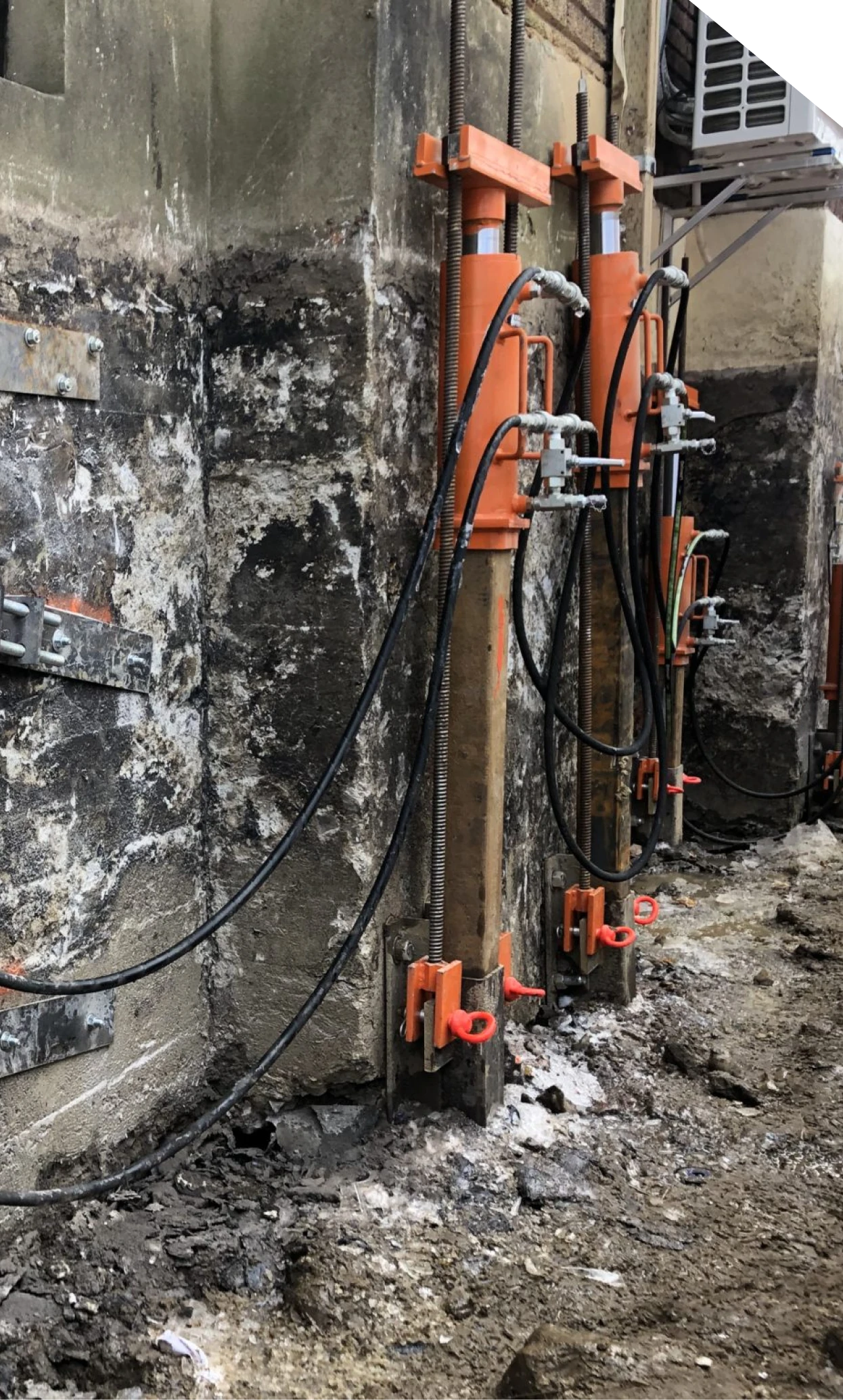
Hydraulic push piers stabilizing a foundation wall in Fort Mill, SC
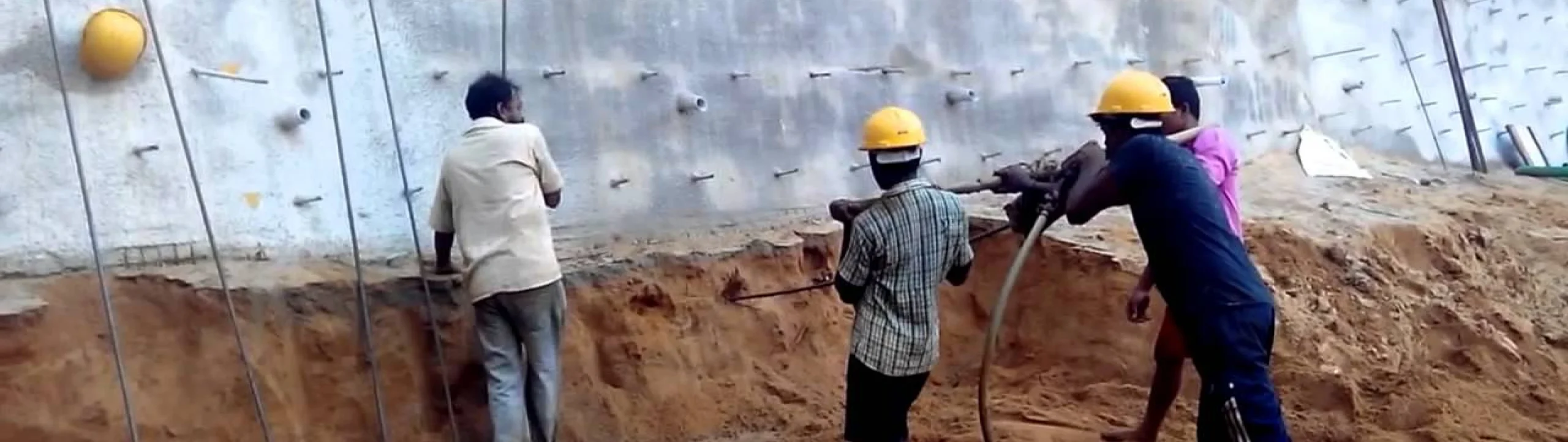
Workers installing soil anchors for foundation stabilization in Fort Mill, SC

Complete Foundation Stabilization Services in Fort Mill, SC

Foundation problems rarely affect only one area. Settlement can create cracks and uneven floors, while lateral soil pressure may push foundation walls inward.

Tar Heel provides complete foundation stabilization in Fort Mill, SC for settlement, wall movement, cracking, weakened supports, and structural instability. We evaluate the complete foundation system before recommending repairs.

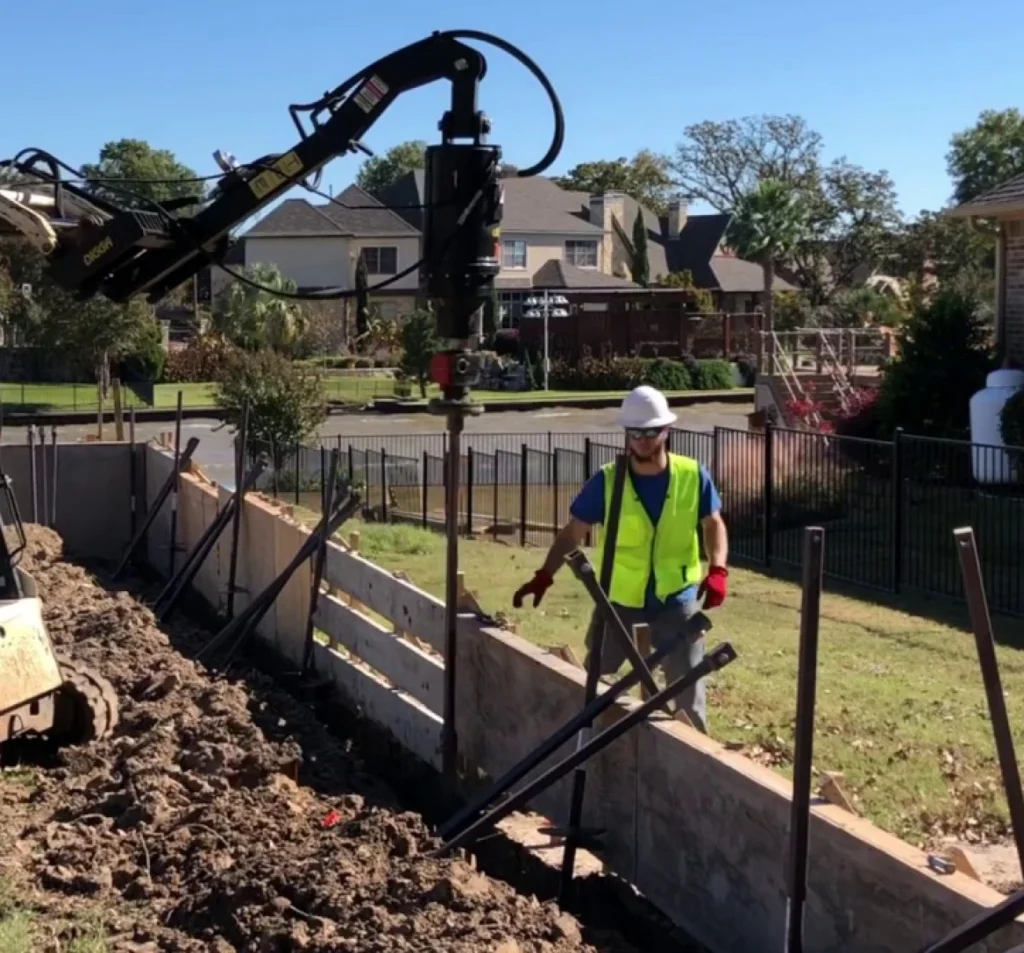
Technician installing a helical pier for foundation stabilization in Fort Mill, SC

Helical Pier Installation

Helical piers transfer the weight of a settling structure from unstable surface soil to deeper, more dependable load-bearing soil.

Tar Heel provides Helical Pier Installation in Fort Mill, SC for foundations affected by settlement, inadequate soil support, erosion, or changing ground conditions. Each pier is placed according to structural load, soil resistance, access, and stabilization requirements.

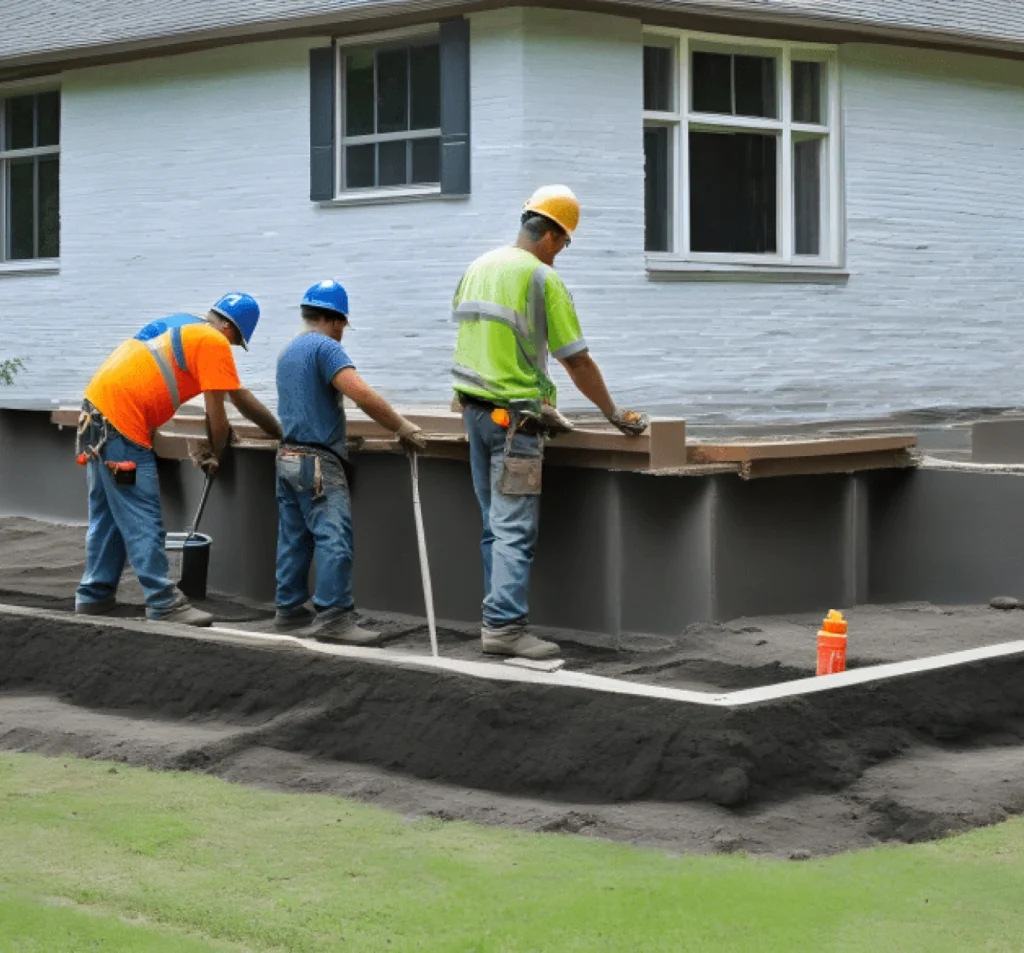
Crew completing residential foundation stabilization work in Fort Mill, SC

Foundation Settlement Repair

Foundation settlement may cause wall cracks, uneven flooring, separated trim, sticking doors, and gaps around windows or exterior materials.

Tar Heel provides Foundation Settlement Repair in Fort Mill, SC by evaluating the direction, severity, and cause of movement. Repairs may include helical piers, footing stabilization, structural support, crack repair, or reinforcement.

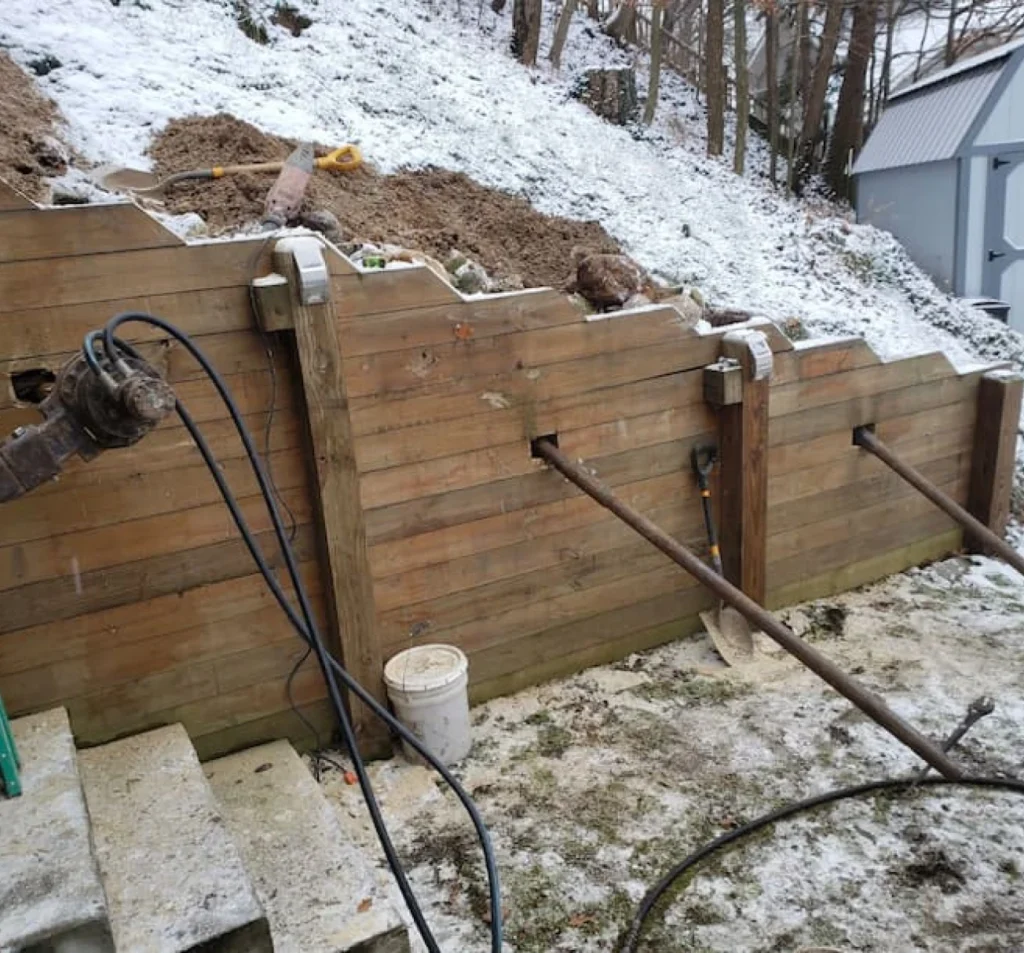
Anchors stabilizing a wood retaining wall in Fort Mill, SC

Helical Tieback Installation

Helical tiebacks provide lateral support for foundation or retaining walls affected by inward movement, bowing, or external soil pressure.

Tar Heel provides Helical Tieback Installation in Fort Mill, SC using systems designed to anchor affected walls into stable soil. Placement depends on wall construction, movement, access, soil conditions, and load requirements.

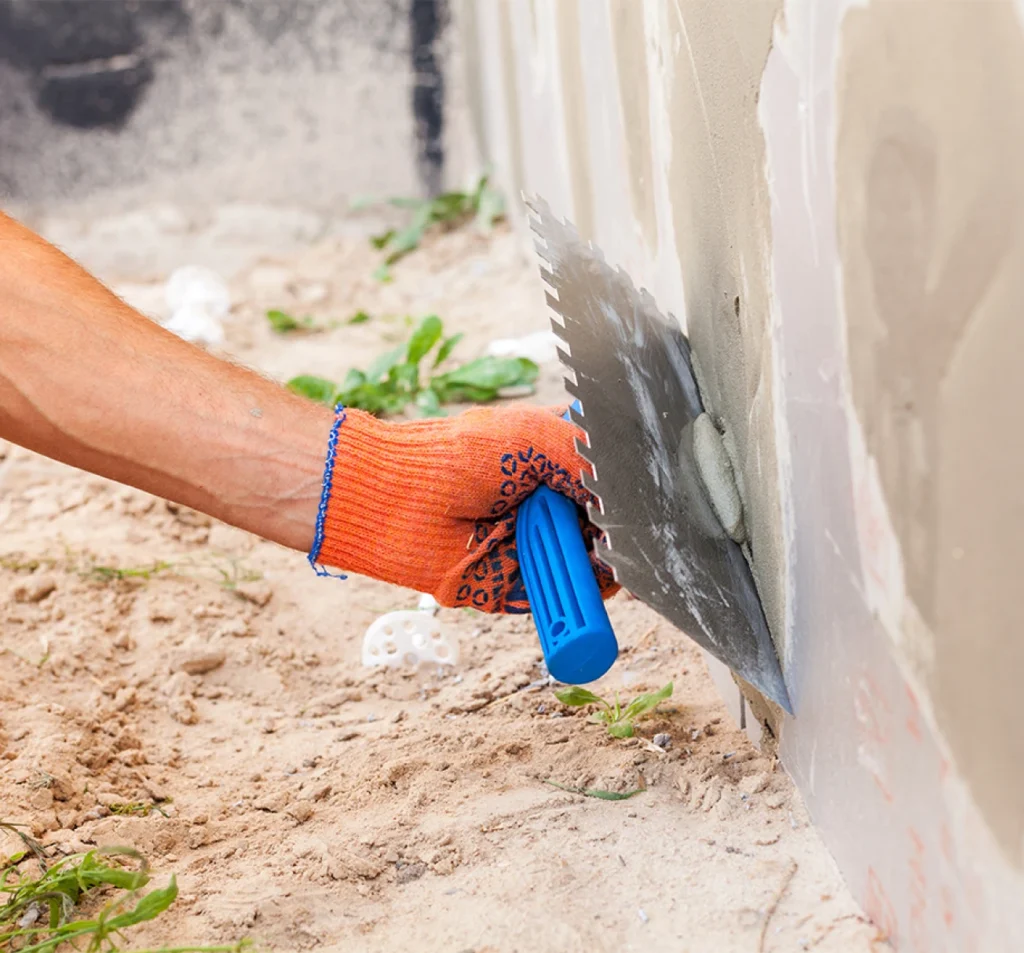
Technician applying repair mortar to a foundation wall in Fort Mill, SC

Horizontal Foundation Movement Repair

Horizontal foundation movement may occur when soil pressure, groundwater, poor drainage, or weakened wall construction pushes a foundation wall inward.

Tar Heel provides Horizontal Foundation Movement Repair in Fort Mill, SC using tiebacks, reinforcement systems, anchors, or other stabilization methods selected for the affected structure.

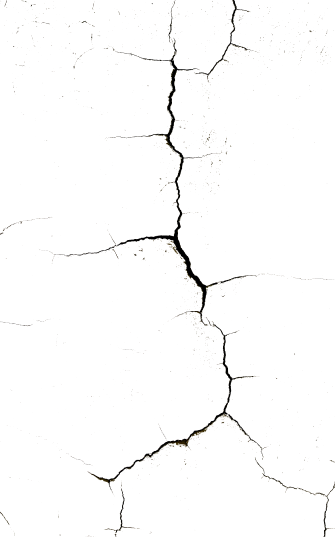
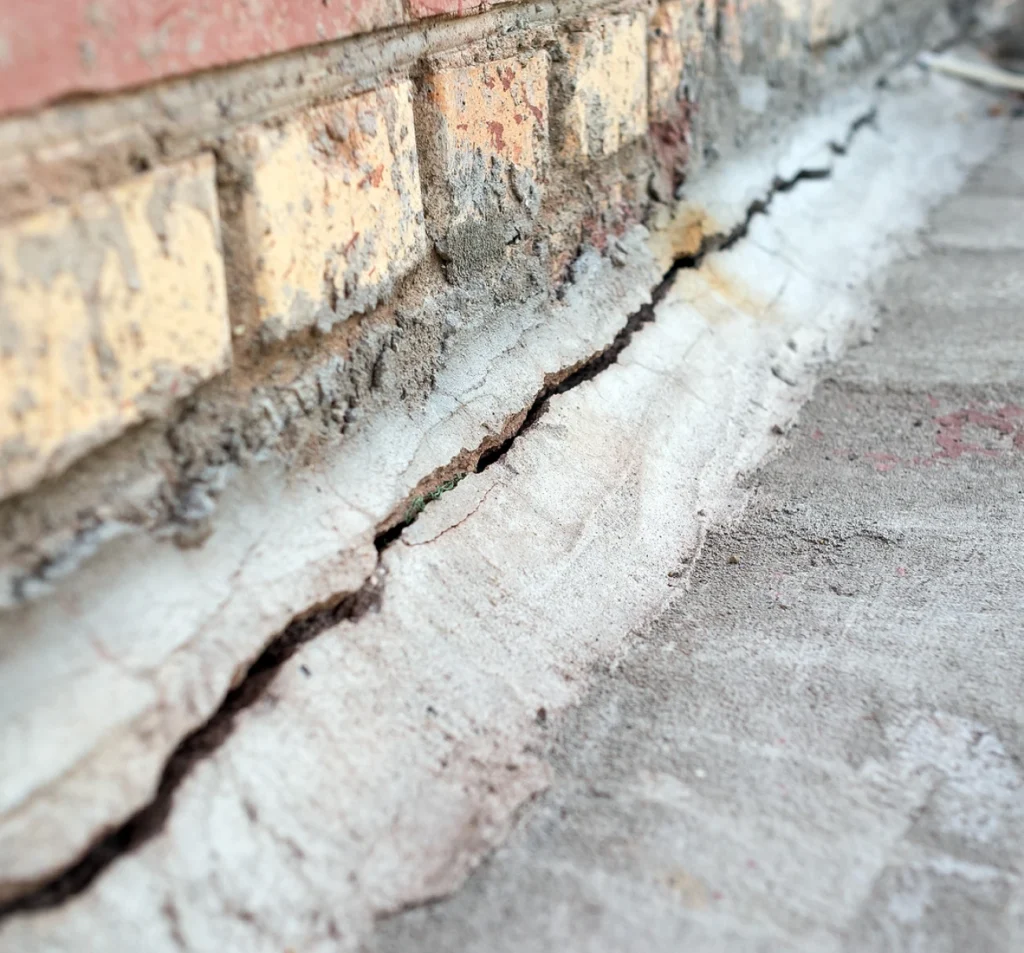
Crack along a brick and concrete foundation in Fort Mill, SC

Foundation Crack Repair

Foundation cracks may develop because of settlement, shrinkage, soil pressure, water intrusion, or structural movement. Cracks may appear vertically, horizontally, diagonally, or in a stair-step pattern.

Tar Heel provides Foundation Crack Repair in Fort Mill, SC after determining whether the crack is cosmetic, moisture-related, or connected to active structural movement.

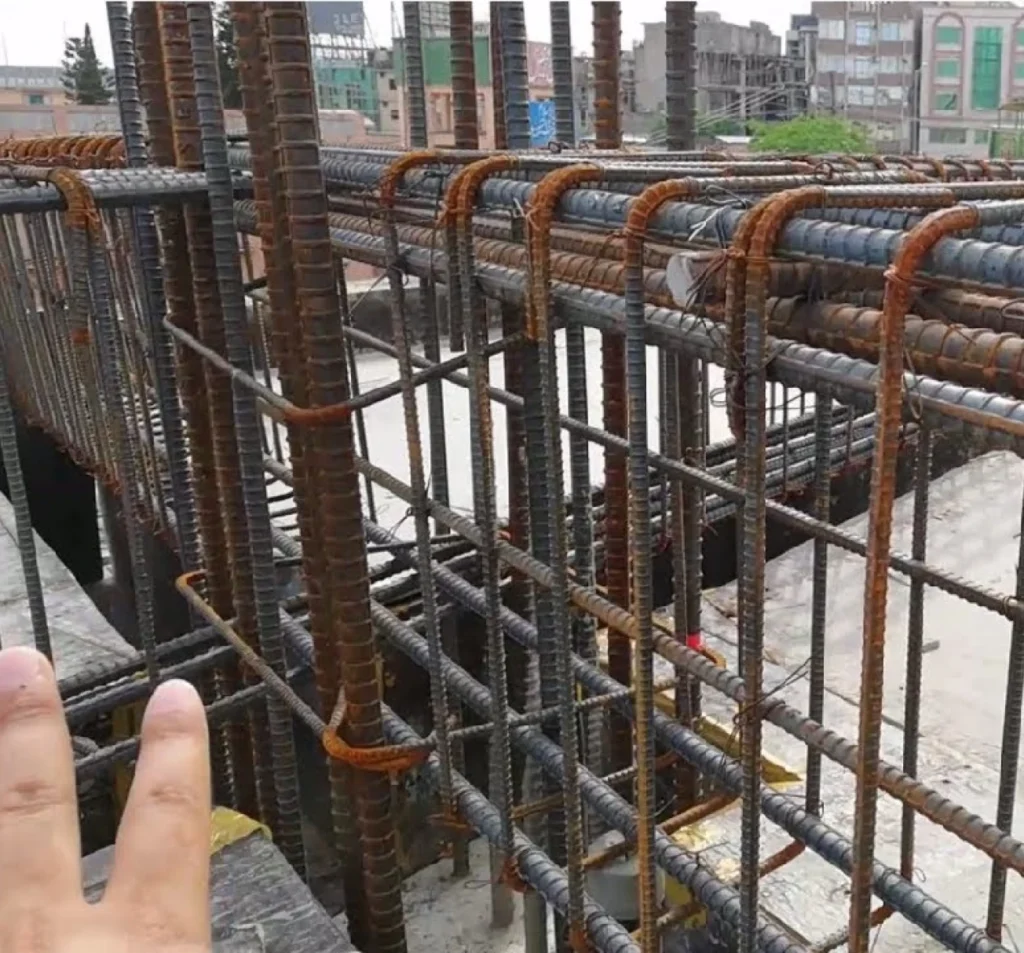
Steel rebar cage for foundation stabilization in Fort Mill, SC

Structural Reinforcement

Structural reinforcement may be needed when foundation walls, framing connections, beams, or support areas no longer provide dependable strength.

Tar Heel provides Structural Reinforcement in Fort Mill, SC using repair methods based on the affected material, load requirements, movement, access, and surrounding structural conditions.

Why Timely Foundation Stabilization Matters

Foundation movement often develops gradually. Small cracks, minor floor slopes, or sticking doors may become more noticeable as settlement or lateral pressure continues. Early evaluation can reduce the risk of more extensive damage.

Identify Movement Early

A professional inspection can identify settlement, wall movement, cracking, and weakened structural areas before larger portions of the home are affected.

Reduce Continued Settlement

Helical piers and other stabilization systems can transfer structural loads to stronger soil and reduce continued downward movement.

Strengthen Foundation Walls

Tiebacks, anchors, and reinforcement systems can help stabilize walls affected by bowing, leaning, or horizontal pressure.

Protect Interior Finishes

Correcting foundation movement may help limit additional drywall cracks, trim separation, flooring gaps, and door misalignment.

Improve Structural Stability

Foundation stabilization supports more dependable load transfer between the foundation, framing, walls, and floors.

Protect Property Value

Addressing foundation movement helps protect your home’s structural condition, marketability, safety, and long-term value.

Support Future Improvements

A stabilized foundation provides a more reliable starting point for flooring replacement, remodeling, additions, and other property improvements.

Foundation Stabilization Experience You Can Trust

Every foundation differs in design, materials, soil conditions, drainage, age, previous repairs, and accessibility.

Tar Heel evaluates visible cracks, settlement patterns, wall alignment, structural connections, soil conditions, moisture exposure, and movement before recommending foundation stabilization in Fort Mill, SC.

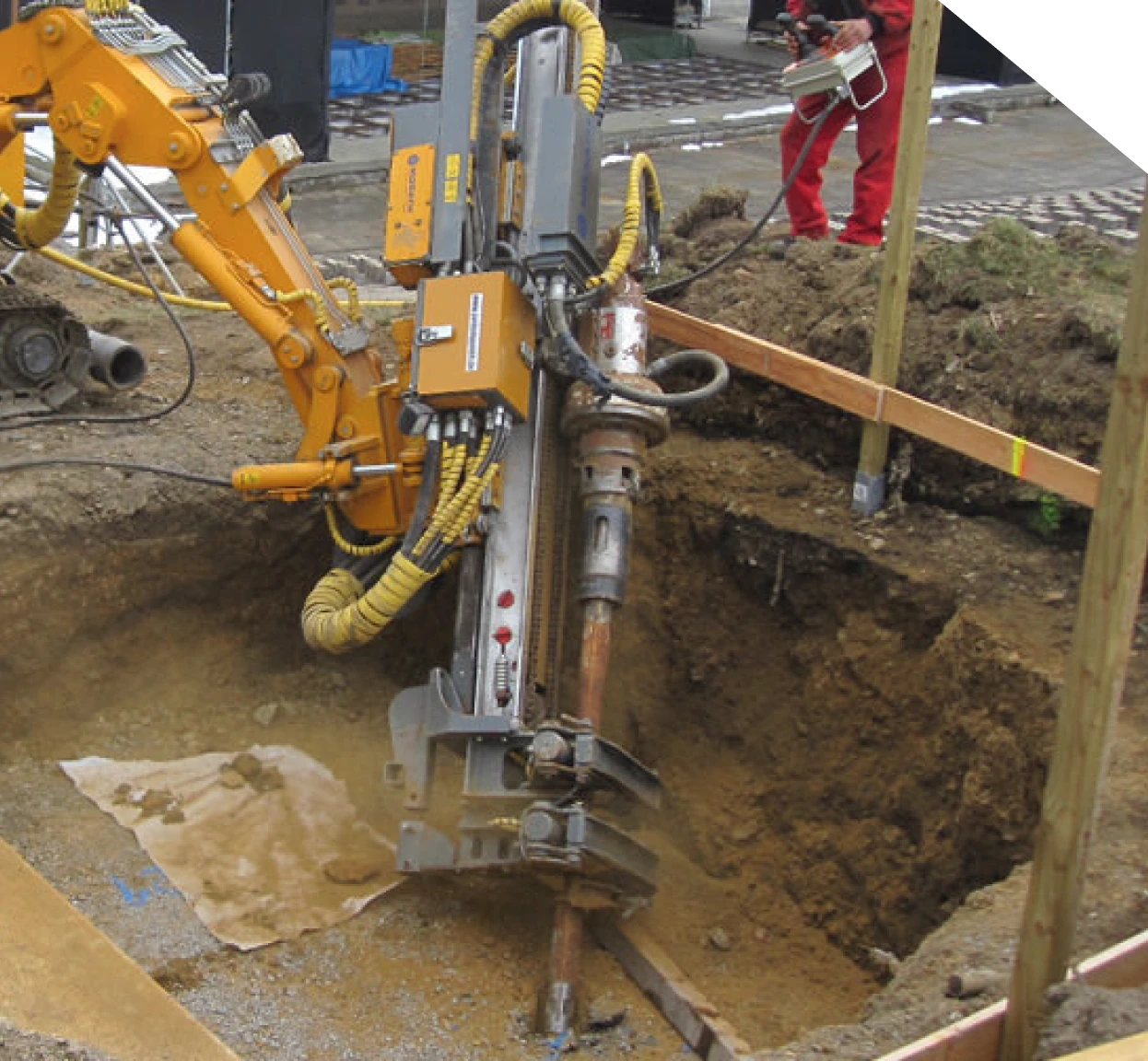
Hydraulic equipment installing a foundation pier in Fort Mill, SC
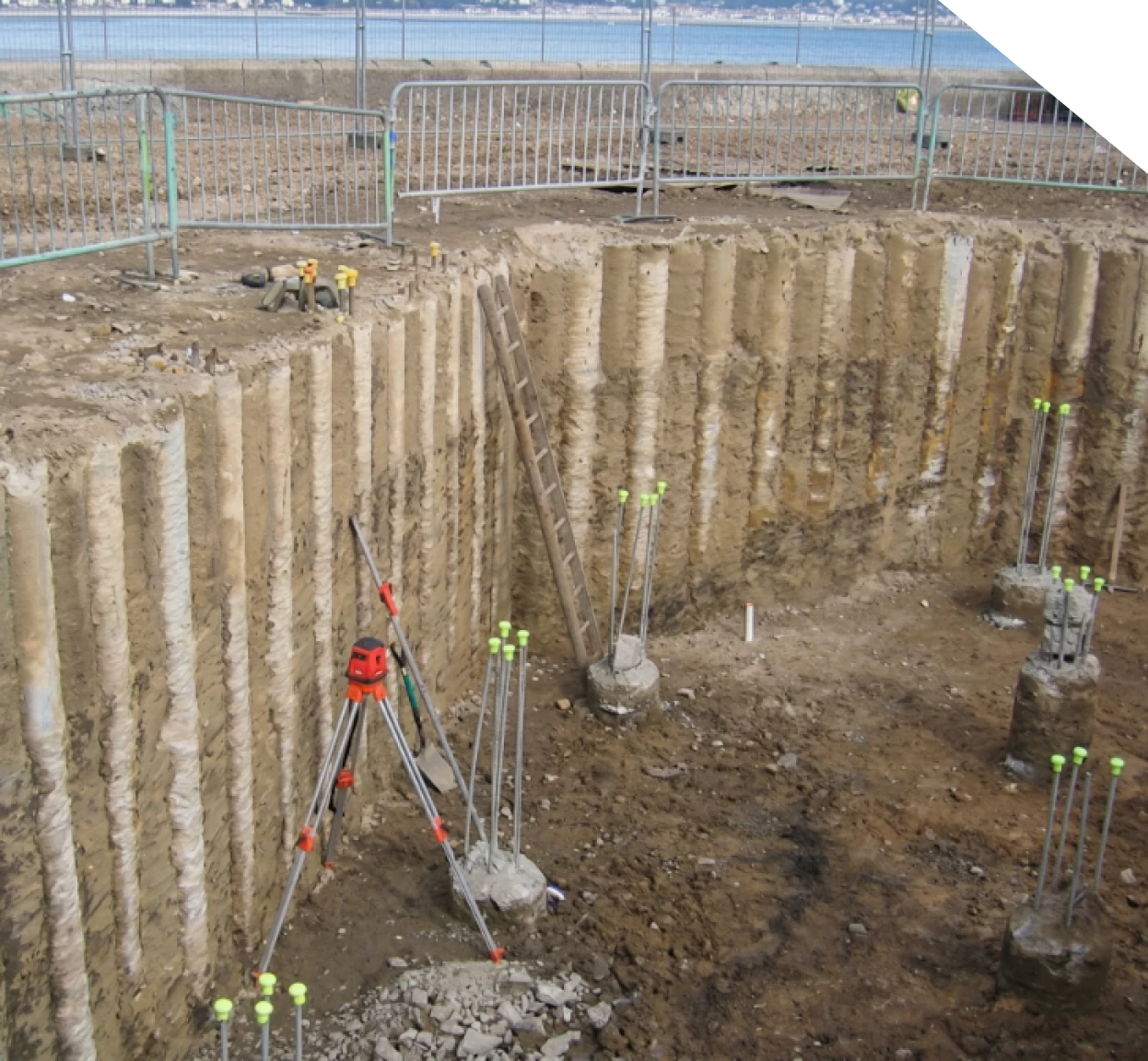
Drilled concrete piers with rebar for foundation stabilization in Fort Mill, SC

Our Foundation Stabilization Approach

Common Foundation Problems We Address

Foundation Settlement

Weak soil, erosion, changing moisture, inadequate compaction, or poor footings can cause sections of the foundation to settle.

Stair-Step Wall Cracks

Stair-step cracks in brick, block, or mortar joints may indicate uneven settlement or movement beneath the structure.

Bowing Foundation Walls

Soil pressure, groundwater, poor drainage, and weakened materials can cause foundation walls to bow, lean, or move inward.

Uneven Floors

Settlement and foundation movement may cause flooring to slope, dip, separate, or feel uneven across different rooms.

Sticking Doors and Windows

Structural movement can change wall and frame alignment, making doors or windows difficult to open and close.

Gaps and Interior Cracks

Foundation movement may create drywall cracks, trim separation, cabinet gaps, ceiling cracks, or openings around windows and doors.

OUR PROCESS

Our Foundation Stabilization Process

Step 01

Describe the Problem

Tell Tar Heel about foundation cracks, uneven floors, sticking doors, leaning walls, gaps, or other changes you have noticed.

Schedule an Inspection

Our team visits your Fort Mill, SC property and inspects the accessible foundation, exterior, and affected interior areas.


Step 02
Step 03

Evaluate the Foundation

We review cracks, settlement patterns, wall alignment, footings, soil conditions, structural connections, and visible movement.

Identify the Cause

We determine whether settlement, soil pressure, drainage, erosion, inadequate support, or another condition caused the problem.


Step 04
Step 05

Review Stabilization Options

You receive a clear explanation of our findings and the recommended foundation stabilization solution.

Approve the Plan

We confirm the repair scope, affected areas, installation methods, equipment, materials, access needs, and project expectations.


Step 06
Step 07

Complete the Repair

Our team installs the approved helical piers, tiebacks, reinforcement, crack repairs, or related stabilization system.

Inspect Completed Work

We review the repaired areas, confirm the approved work has been completed, and discuss monitoring or maintenance recommendations.

Step 08

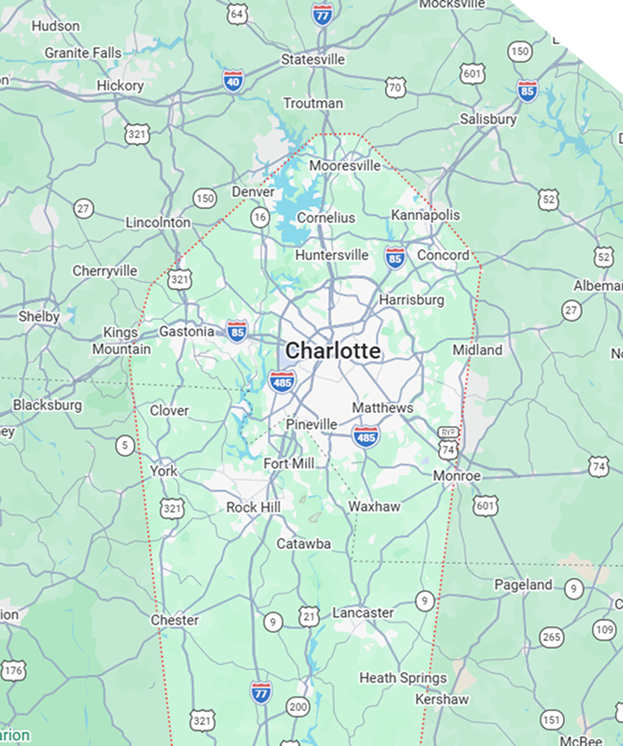
Proudly Serving Fort Mill, SC and Surrounding Communities

Tar Heel provides foundation stabilization throughout Fort Mill, SC and nearby communities across South Carolina and North Carolina. Service areas include Rock Hill, Fort Mill, Tega Cay, Lake Wylie, York, Clover, Gastonia, Mount Holly, Belmont, Bessemer City, Cherryville, Dallas, Cramerton, Stanley, Lowell, Ranlo, Charlotte, Huntersville, Cornelius, Matthews, Mint Hill, Davidson, Pineville, Monroe, Indian Trail, Waxhaw, Stallings, Weddington, Wesley Chapel, Marvin, and surrounding locations.

Our team provides Helical Pier Installation, Foundation Settlement Repair, Helical Tieback Installation, Horizontal Foundation Movement Repair, Foundation Crack Repair, and Structural Reinforcement throughout the greater Fort Mill region.

Frequently Asked Questions

What foundation stabilization services does Tar Heel provide?

Tar Heel provides Helical Pier Installation, Foundation Settlement Repair, Helical Tieback Installation, Horizontal Foundation Movement Repair, Foundation Crack Repair, and Structural Reinforcement.

Common signs include stair-step cracks, uneven floors, sticking doors, separated trim, bowing walls, foundation gaps, and misaligned windows.

Foundation settlement may result from weak soil, erosion, poor compaction, changing moisture levels, drainage problems, inadequate footings, or construction issues.

Helical piers may be recommended when unstable surface soil no longer provides dependable support for the foundation and structural loads must be transferred deeper.

Helical tiebacks are used to stabilize foundation or retaining walls affected by inward movement, bowing, leaning, or lateral soil pressure.

Yes. The repair method depends on the crack pattern, width, location, moisture conditions, and whether active structural movement is present.

Yes. Tar Heel provides foundation stabilization in Fort Mill, SC and surrounding communities. Contact our team to confirm service availability.

Testimonials

What Our
Customers Are Saying

Schedule Your Foundation Stabilization Inspection

Foundation settlement, horizontal wall movement, structural cracks, unstable soil, and weakened supports can become more difficult to correct when left unresolved.

Tar Heel provides professional foundation stabilization in Fort Mill, SC with solutions for helical piers, tiebacks, settlement, foundation cracks, wall movement, and structural reinforcement.

Schedule an inspection to identify the source of movement and determine which foundation stabilization solution may be appropriate for your home.